

What is silk fabric? Silk fabric is one of the most luxurious and delicate textiles in the world, which is woven from natural fibers (silkworm fibroin protein) or synthetic substitutes (such as polyester and viscose). In the current market of women's clothing, rayon is the main choice for sewing linen, sleepwear, and dress shirts due to its more affordable price, high wrinkle resistance, and durability. One of the most important features of this fabric is its prismatic gloss, great drape on the body, high breathability, and hypoallergenicity. The best way to maintain silk is washing with cold water and ironing with very low heat.
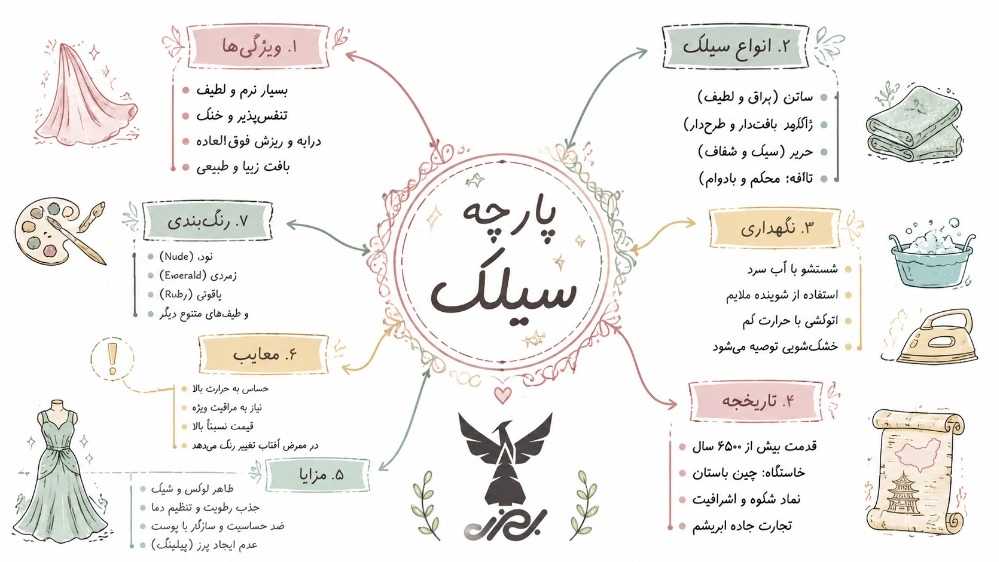
A comprehensive guide to silk fabric; Features, disadvantages and coloration + price
Wearing a soft, shiny and perfect dress is no longer an unattainable dream for fashionable women. Silk fabric has a special place in every woman's wardrobe with its prismatic shine and unique softness. But is it hard to maintain? In this article, we will explore everything about silk fabric so that you can decide your next style with an open mind.
Quick summary: ID card of silk fabric
(This list is designed to quickly respond to your needs)
- Compositions: Natural fibers (silk cream) or synthetic fibers (polyester/viscose)
- Breathability: Very high (cooling in summer)
- Stretch: Low
- Pilling resistance: Very high
- Usages Common: Women's linen, pajamas, dressing gowns and dressing gowns
- Standard wash temperature: Cold to lukewarm water (up to 30°C)
What is silk fabric?
The word "silk" originally refers to very long, soft and shiny fibers produced by silkworms (especially mulberry worms) to make cocoons. The history of this fabric is about 6500
It goes back to the year BC in China. Natural silk fibers have a structure similar to triangular prisms that refract light and create that famous iridescent glow.
However, what is sold in the market today as silk fabric for women's daily sewing and embroidery is mostly artificial silk. These fabrics are made of high quality polyester or viscose filaments that simulate the beauty of natural silk but are more practical and available.
Examining the most important features of silk fabric
The reason for the global popularity of silk is the unique combination of beauty and efficiency:
- Smoothness and compatibility with the skin: Silk creates the least friction with the skin due to its very soft texture and completely smooth surface and is perfect for sensitive skin.
- Breathability and moisture wicking: This fabric allows air to flow easily; Therefore, it is cool in summer and maintains body temperature in cold seasons. Unparalleled Drape: No fabric has the formability and sleep of silk fabrics on the body. This feature makes formal dresses with this fabric take on a royal form.
- Odor repellent: Unlike cotton fabrics, silk does not retain odor, which is a great advantage for linens and party dresses.
Types of silk fabric in the market
There are different types of silk based on the texture. The most common options in the women's market are:
Advantages and disadvantages of silk fabric
Why should we buy silk?
- Extremely luxurious and expensive appearance.
- No pilling and pilling in long-term use.
- High color fastness (colors in silk fabric are much more vivid and bright than other fabrics).
Challenges of using silk
- Sensitivity to heat: Silk should not be washed with hot water and ironing should be done at low heat and preferably with a layer of protective fabric.
- Wrinkle resistance: Natural fibers of silk are prone to wrinkles; Although common artificial silks in the market have solved this problem to a large extent by adding elastin fibers.
The most popular colors of silk fabric this year
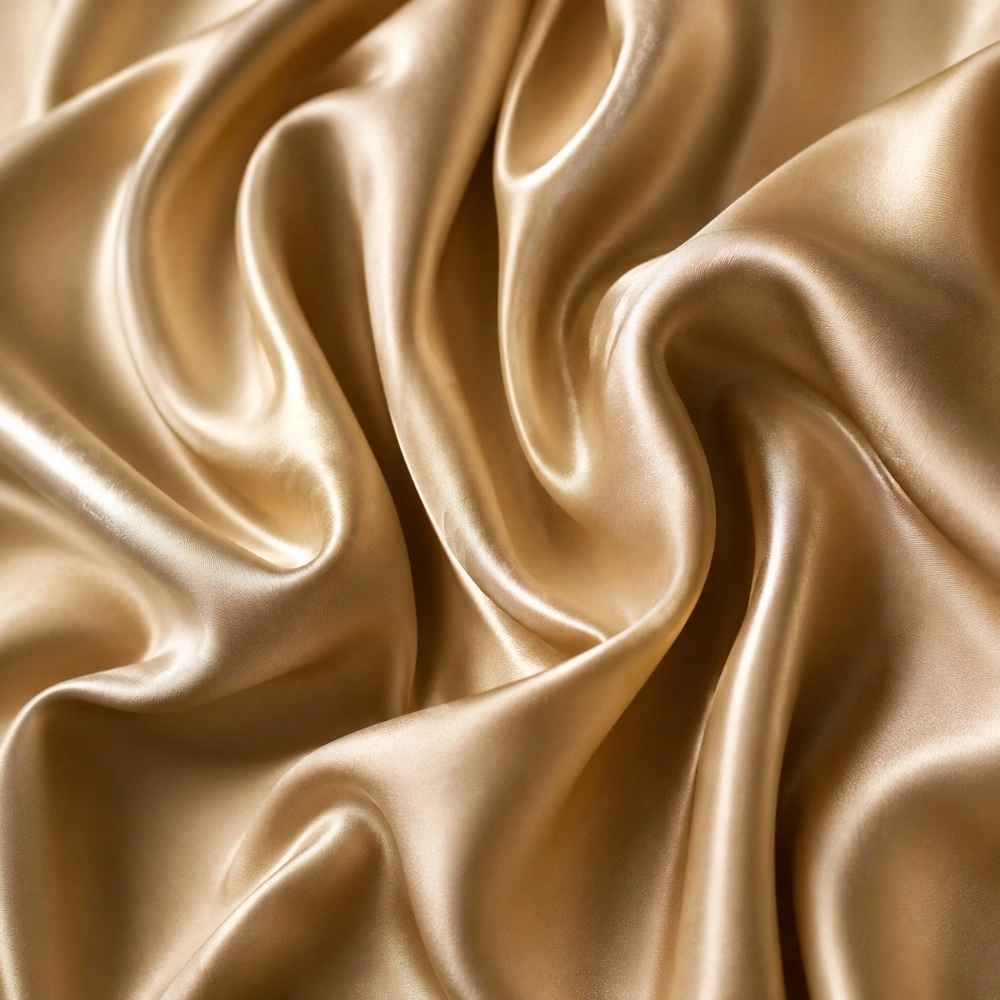
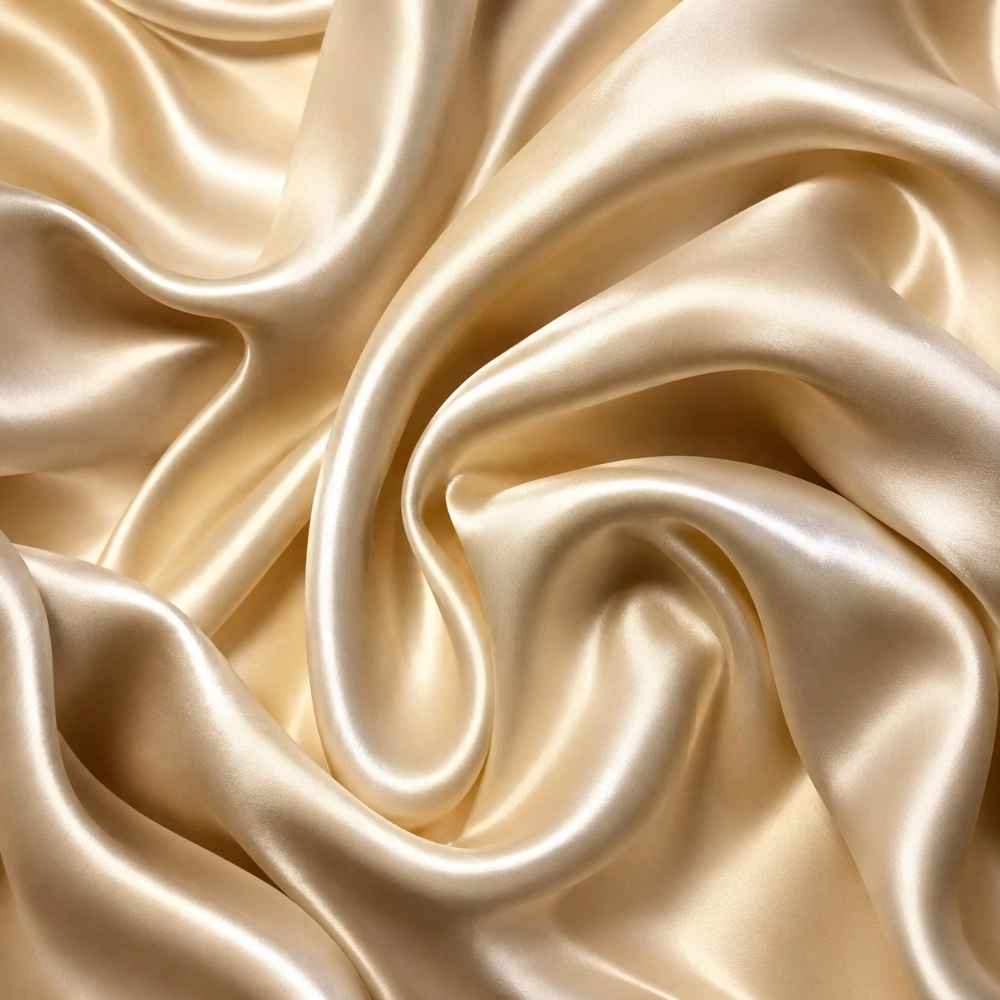
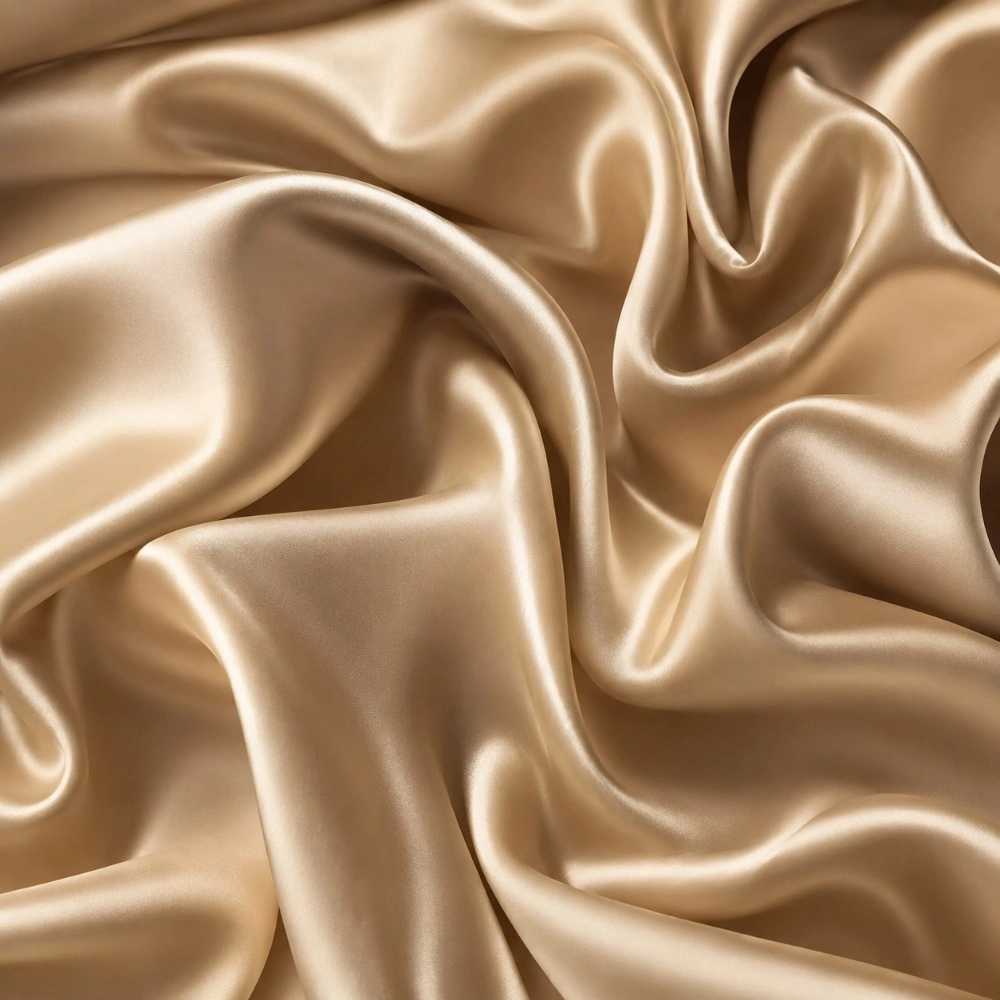
Colors look magical on silk fabric. This year, neutral and nude colors such as champagne, cream and powder beige are extremely popular for women's minimal clothes.
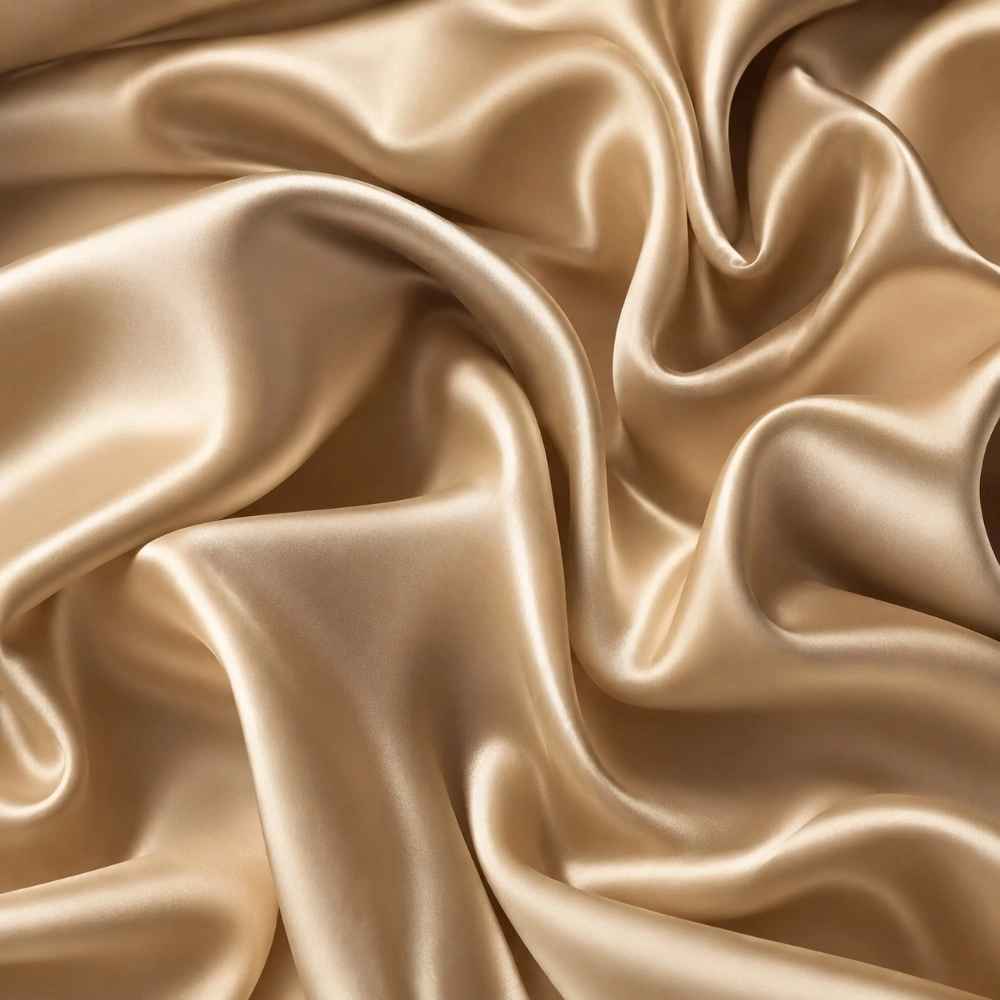
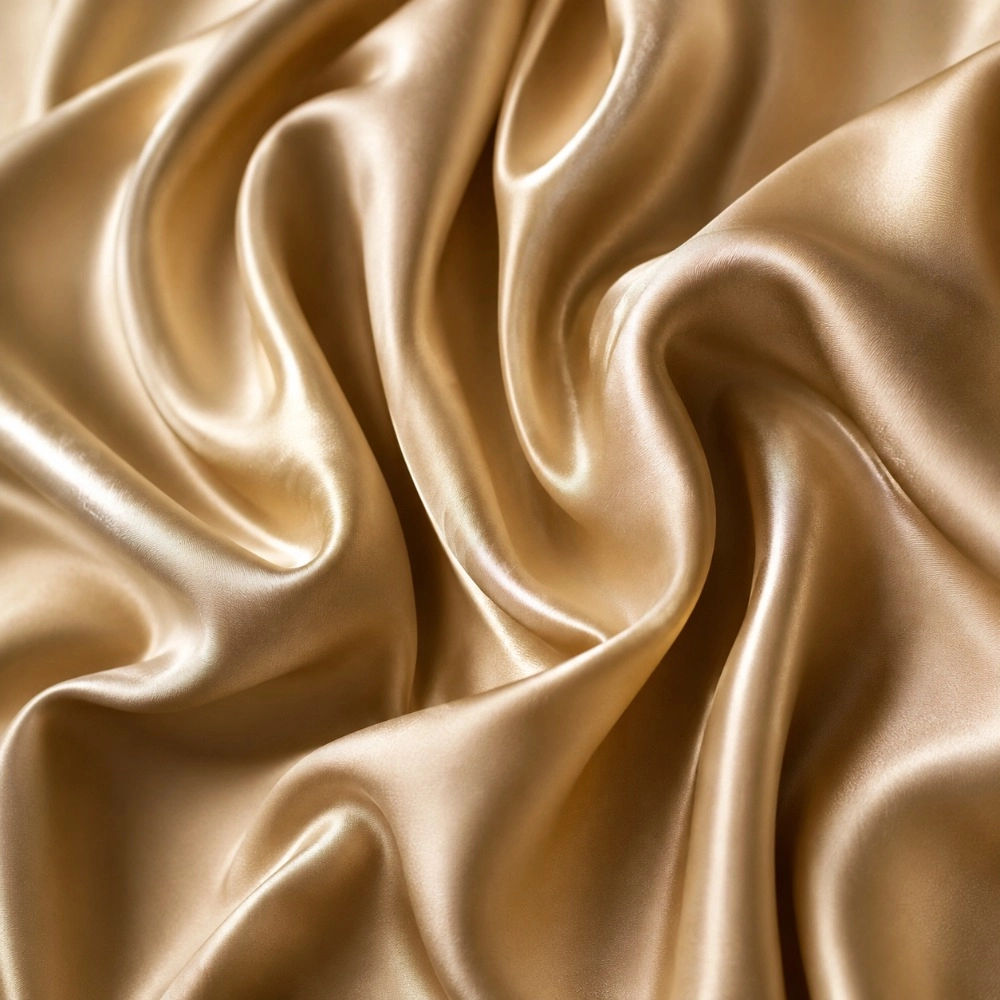
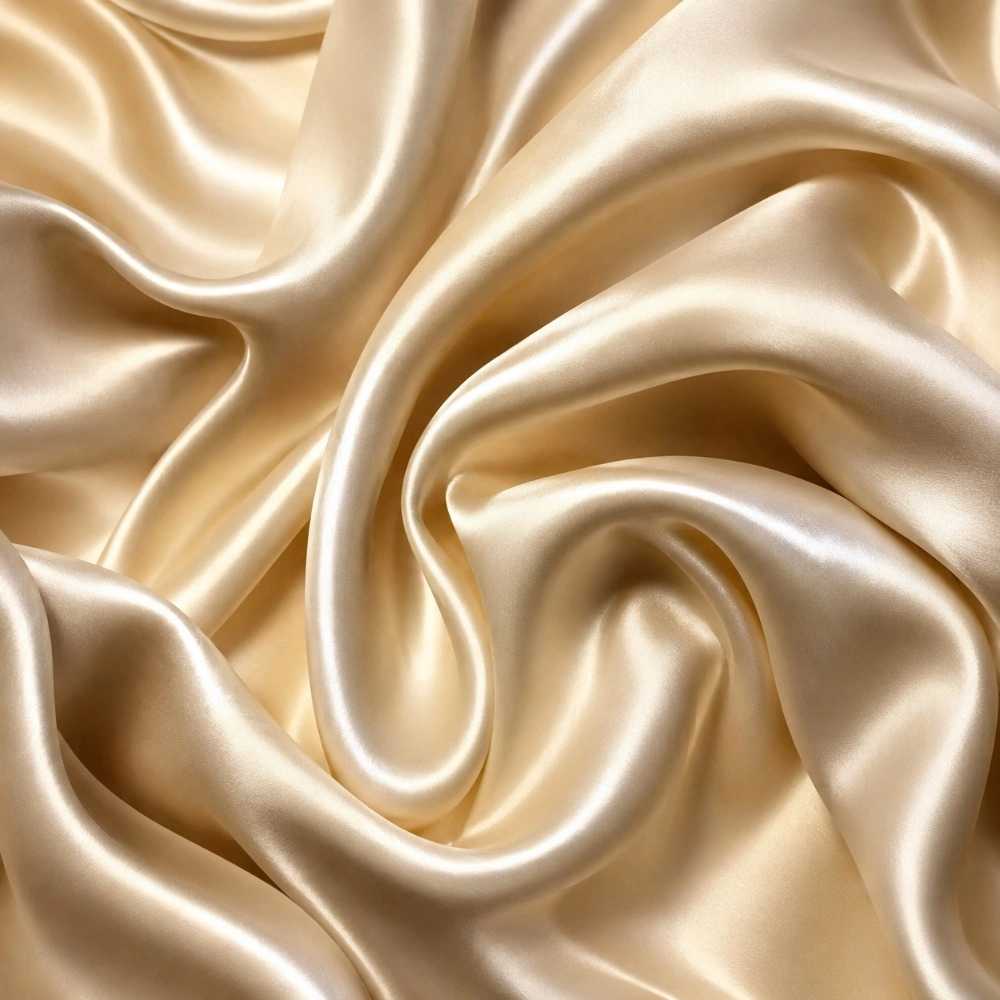
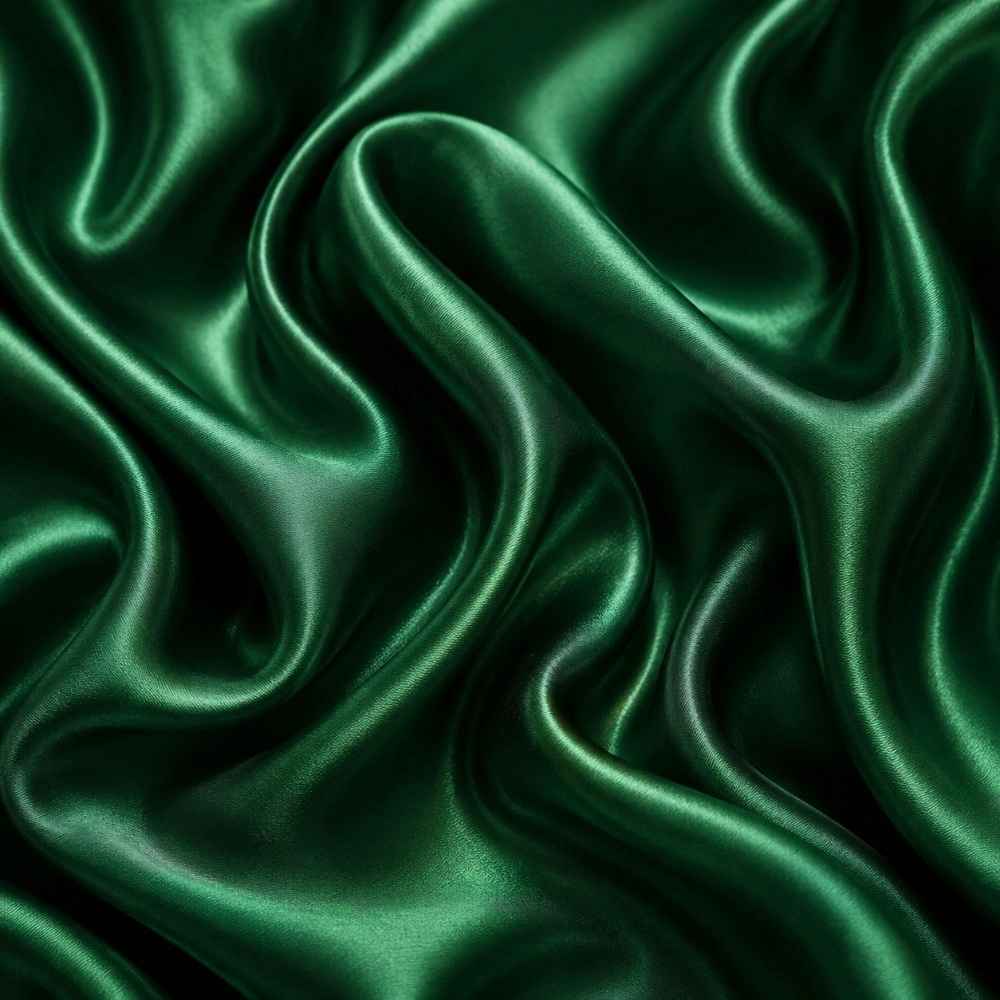
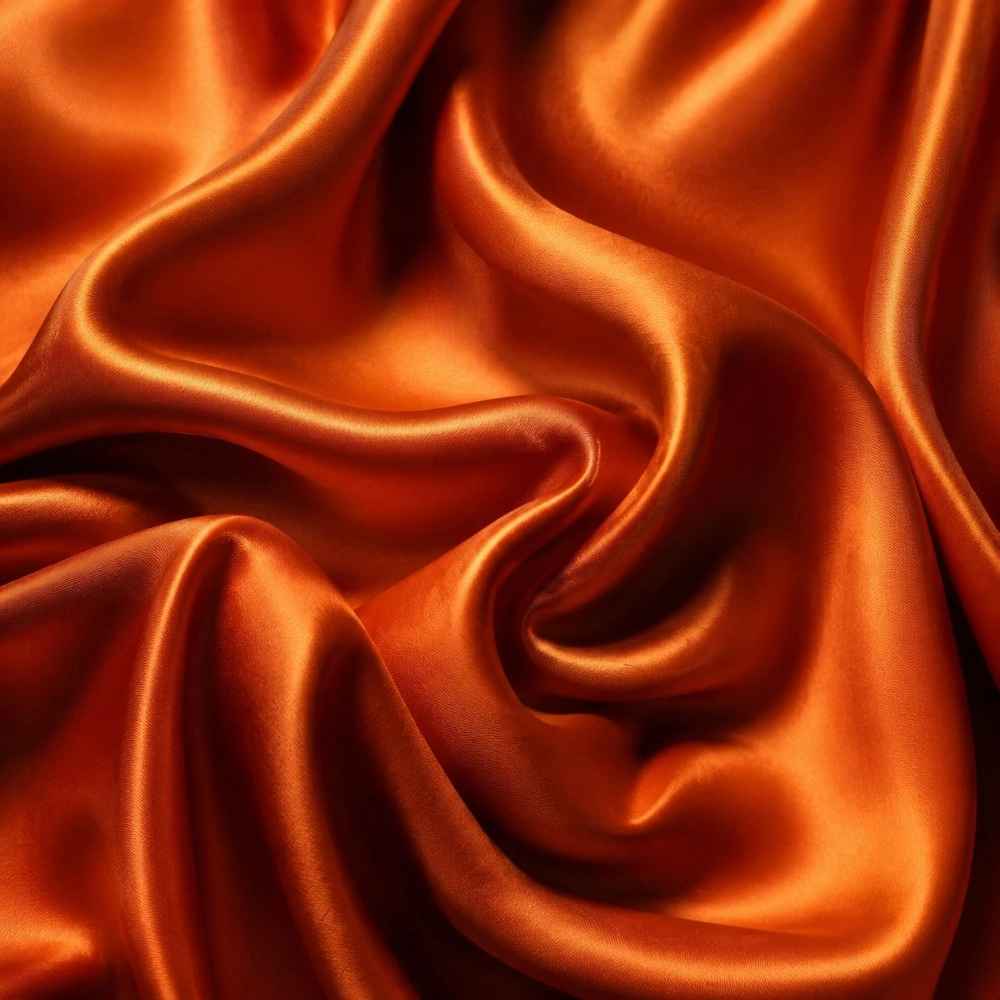
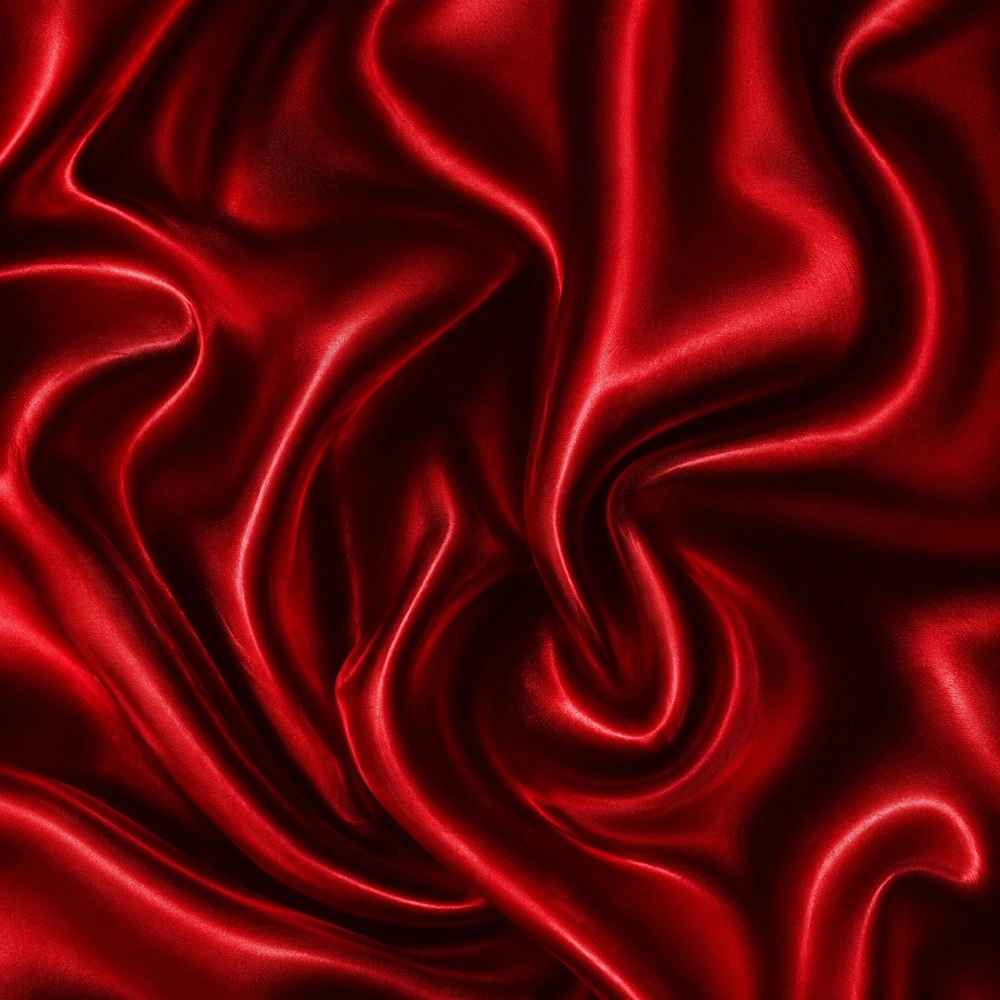
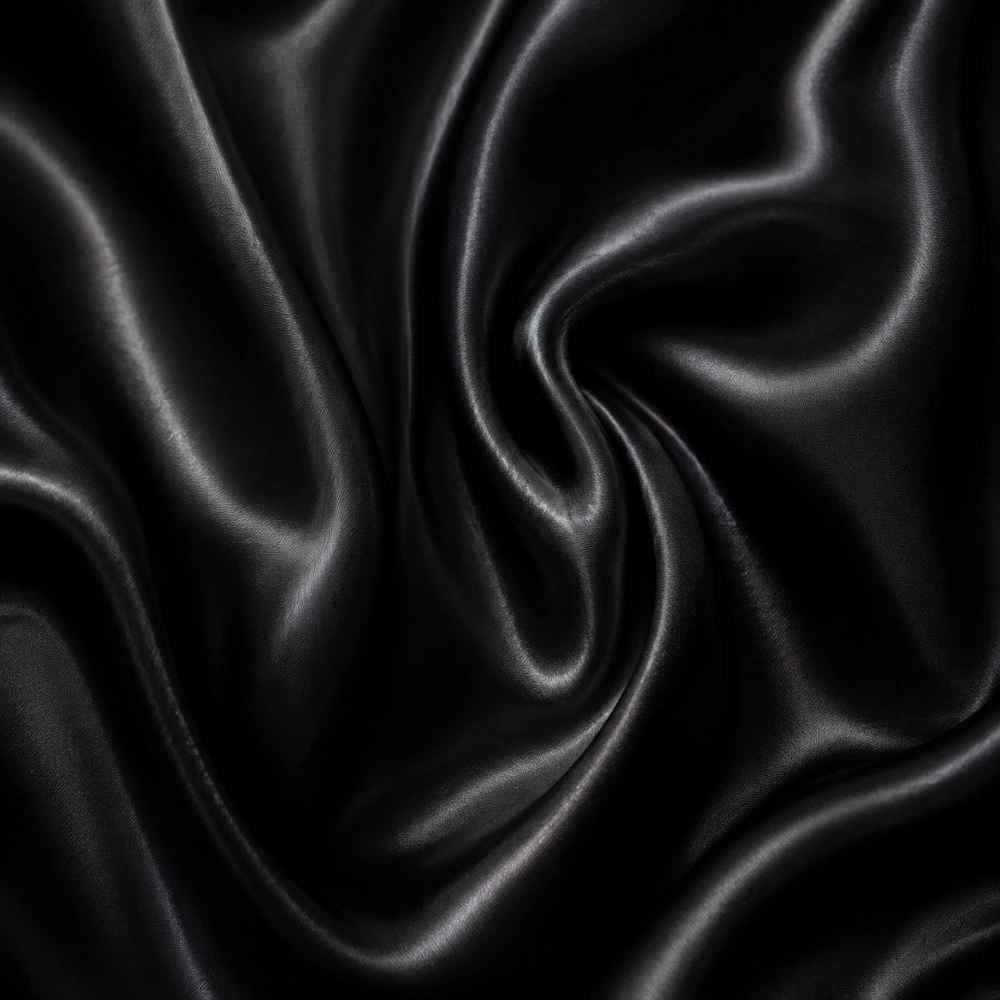
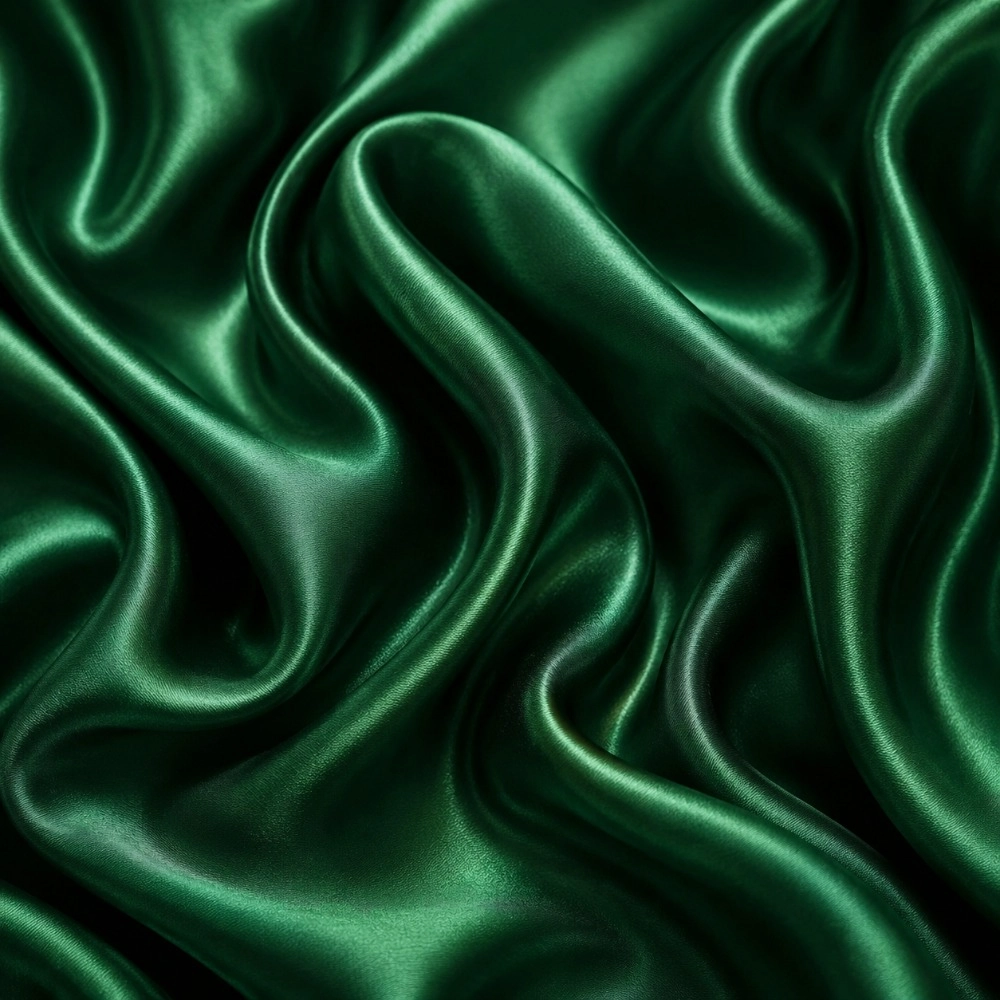
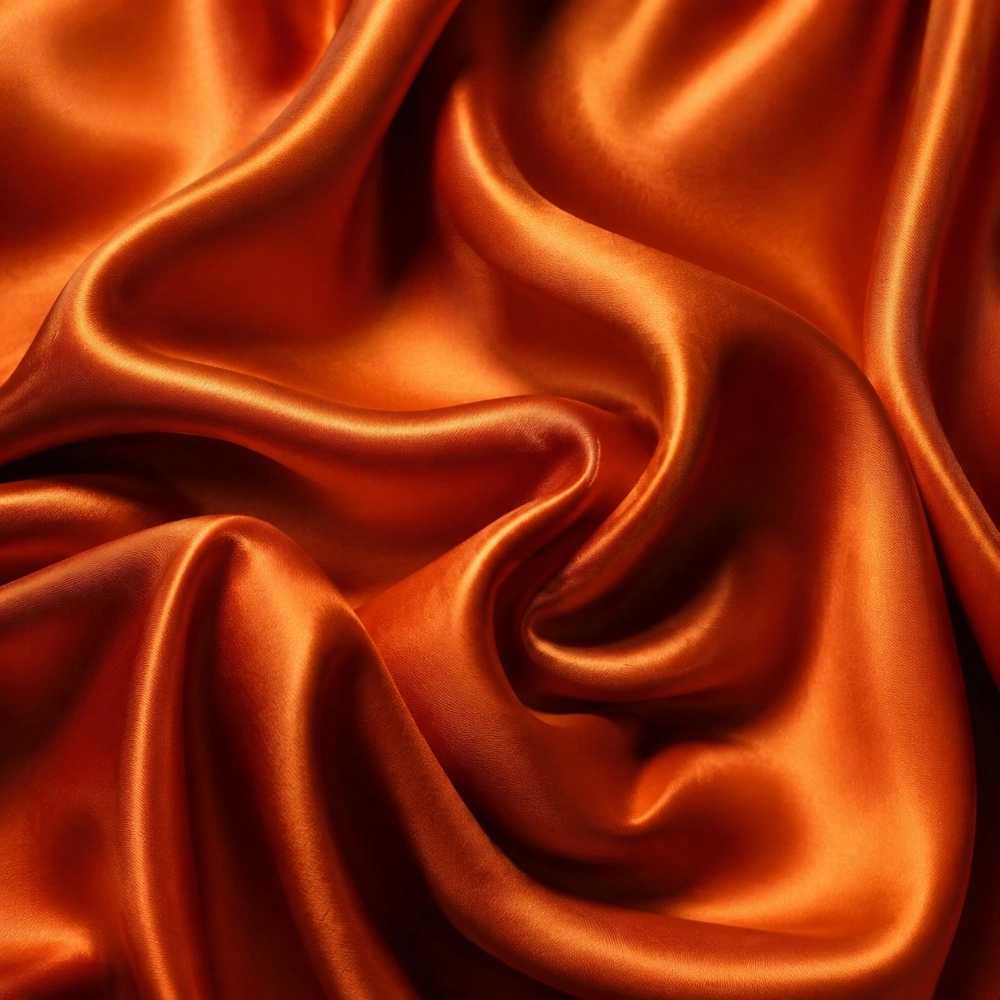
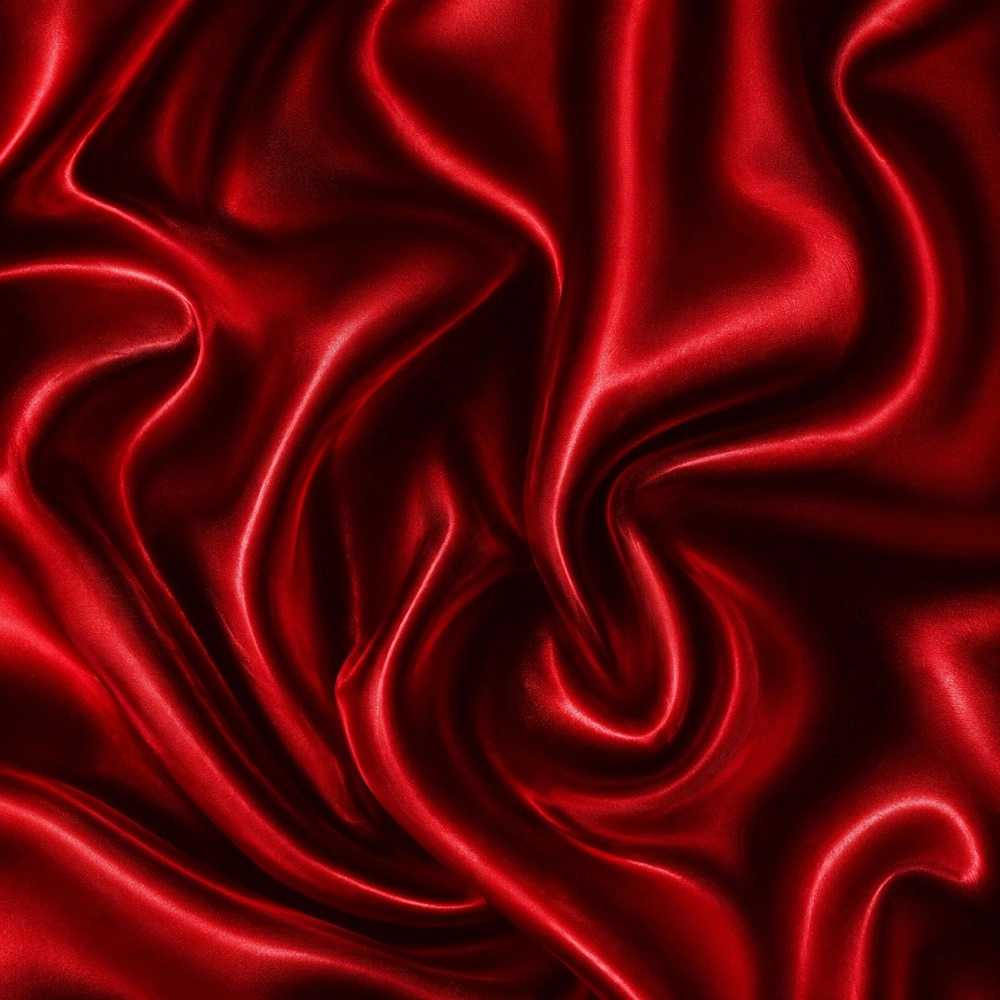
On the other hand, deep and royal colors such as emerald green, burnt orange, ruby red and classic black are the first choice of designers for evening dresses and formal styles.

Daily price of silk fabric + factors affecting it
Production of natural silk is a very time-consuming process. In the world markets, the price of each kilogram of raw silk ranges from 200 thousand tomans to 2 million tomans, which makes 100% natural silk a very expensive product.
But common silk fabrics in the market, which are smart and high-quality artificial alternatives, are offered at a very economical price. Factors such as weave density (Thread Count or Momme), country of manufacture (China is the world's largest producer) and fabric width affect the final price. You can add beauty and durability to your wardrobe at a reasonable cost.
conclusion
Silk fabric, both pure type and high-priced and functional type of the market, is the embodiment of femininity, elegance and sustainable fashion (Slow Fashion). This fabric is environmentally friendly and the clothes made from it will shine in your closet for years. By following simple maintenance tips, you can enjoy the softness and shine of this unique fabric forever.