


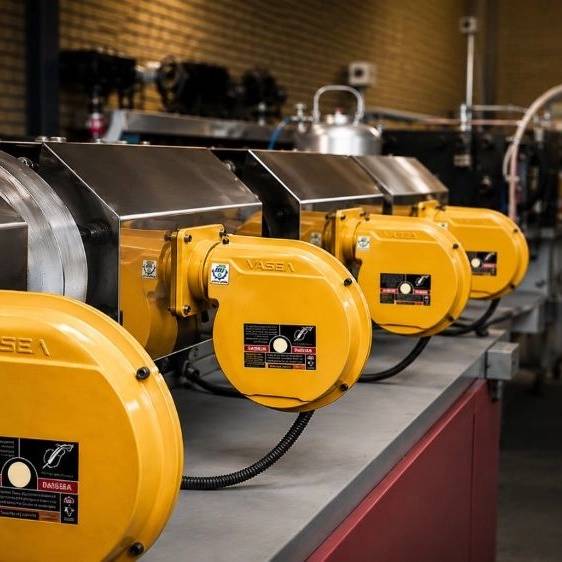
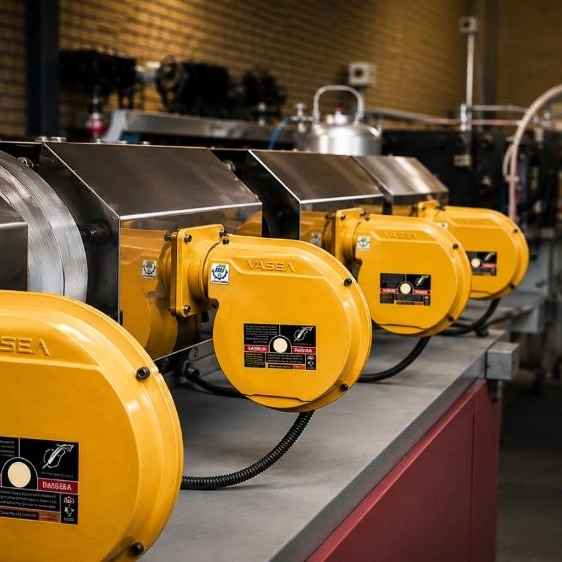
Today, the plastic recycling industry has become one of the most profitable and vital industries in the world. In the meantime, the granulator (Granulator) as the main artery of this process, is responsible for converting plastic waste into fine and uniform grains called granules. These valuable seeds are the raw material for the production of hundreds of new plastic products. If you are looking to set up a productive production line or upgrade your recycling workshop, choosing a standard and high-quality machinery will guarantee the profitability of your business.
What is a granulator and how does it work?
Recycling granulator or extruder is an advanced industrial machine that melts recycled plastic materials such as PET (PET), polyethylene (PE), polypropylene (PP) and nylons and cuts them into filaments or lenses after passing through special filters.
The mechanism of action of these devices is that the crushed and washed waste enters the inlet funnel (hopper). Then, guided by the screw, they move forward and melt under the heat of the elements. Finally, the molten mass is pushed out of the die and converted into uniform granules by the cutter system. Production granules of high quality, without bubbles and impurities, bring an extraordinary added value to your recycling workshop.
Types of granulator machines based on the needs of your production line
To choose the right production line, it is very important to know the different models of this equipment. These devices are generally designed and manufactured in the following categories:
- Single-stage granulator: This equipment is used to recycle clean, new raw materials or unpolluted industrial waste. The process of melting and releasing gas is done in one step.
- Two-stage granulator machine (side feeder): These systems are very suitable for recycling marketed and used plastics that have high humidity or impurities. In the first stage, the materials are melted and gassed, and in the second stage, they become granules with more quality and uniformity.
- Lens (water ring) machines: In this model, the granule cutting operation is done directly at the outlet of the mold with the help of water, which makes the final product very stylish, spherical and marketable. It is taken out in the form of thin strings, passed through a water bath to cool and then chopped by a cutter. This method has a lower maintenance cost.
Features of a high-quality and standard granulator machine
When buying recycling machines, you should pay special attention to the technical specifications of the parts. A standard device should have the following features:
- Anti-wear cylinder and mardon: Since the recycled materials may contain impurities, the material of the cylinder and mardon should be made of hardened alloy steel (such as VCN or Nitrate) in order to have a long life.
- Strong vent system: The presence of an active gas vent on the cylinder causes the removal of moisture and disturbing gases during the melting process and prevents the final granule from becoming hollow.
- Powerful industrial gearbox: The transmission of power from the electric motor to the motor is the responsibility of the gearbox. Sahand three-axis and fast-acting gearboxes or European designs have high stability in long-term operations.
- Smart and safe electrical panel: Being equipped with an inverter to adjust the Mardon speed, accurate temperature controllers (PID) and electrical protection systems prevent engine and element damage.
Factors affecting the price of granulator machine
The pricing of this industrial equipment depends on several parameters. Hourly production capacity (from 100 kg to over 1 ton per hour), single or two-stage production line, type of cutting system (string or water ring), type of cylinder and cylinder, brand of electric motors and gearbox, as well as the degree of automation of the machine are the main factors that determine the final price. Investing in quality parts may cost more initially, but it will minimize your depreciation and downtime costs in the future.