
Key factors affecting the price of furniture painting
1. Type of furniture and wood
- Hard woods (such as walnut, oak): These woods usually cost more to paint because of their high density, strength, and natural beauty. The process of preparing and applying paint on these woods requires more precision and skill.
- Soft woods (such as pine, beech): These woods are usually cheaper, but may require more care against scratches and damage.
- MDF and chipboard: These synthetic materials have different prices, depending on their quality and finish. Painting MDF can sometimes be easier due to its smooth and even surface, but proper preparation is important to prevent moisture absorption.
2. Dimensions and complexity of furniture design
3. Type of paint and final coating
- Polish paints (polyester, polyurethane): These paints create a shiny and very resistant appearance and are usually considered among the more expensive options.
- Killer paints: These types of paints have good transparency and are suitable for preserving the natural beauty of wood, but they are less resistant than polishing.
- Oil paints and Alkyd: These paints are more economical and provide good coverage, but may make the wood look less visible.
- Automotive paints (Annie Sloan, Wood stain, etc.): These paints create special effects and may have different prices.
- Matte, semi-matte, or gloss coatings: The degree of gloss or matte finish can also be affect the type of consumables and execution technique.
4. Surface preparation process
- Cleaning and degreasing: Removing dust, grease and dirt.
- Sanding: Smoothing the surface and removing unevenness and old coatings.
- Plastering: Filling cracks, gaps and holes.
- Primer: Creating a uniform surface for adhesion. Better the original color.
5. Special painting techniques
6. The cost of raw materials and miscellaneous
7. The credibility and reputation of the workshop
Reputable and well-known garages that have a stellar track record of providing quality service may charge higher fees than lesser-known garages. This price difference is usually due to the use of better materials, labor expertise, quality assurance and after-sales service.
The step-by-step process of painting furniture: from start to finish
Understanding the painting process will help you better understand the value of the services provided by a professional body shop. This process usually includes the following steps:
First step: initial review and consultation
At this stage, the workshop expert will closely examine your furniture. Factors such as the type of wood, the current condition of the paint, the presence of damage, and your expectations of the final result will be evaluated. In this meeting, the type of paint, final coating, and suggested techniques will be discussed, and if needed, designs and portfolios will be displayed.
Second step: disassembly and preparation
When needed, removable pieces of furniture (such as handles, legs, or cushions) can be opened to make access to all surfaces easier. Then, the process of cleaning, degreasing, and plastering begins.
Third step: sanding and lining
After plastering and drying, the surface of the furniture is carefully sanded to make it completely smooth and uniform. Then, a primer layer is applied to the surface. The primer helps the main color stick better and provides a more even coverage. After the primer dries, a re-sanding step may also be performed.
Fourth step: implementation of the main color
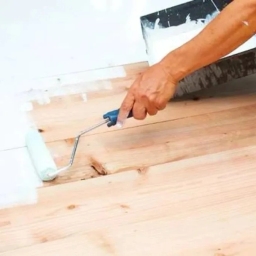
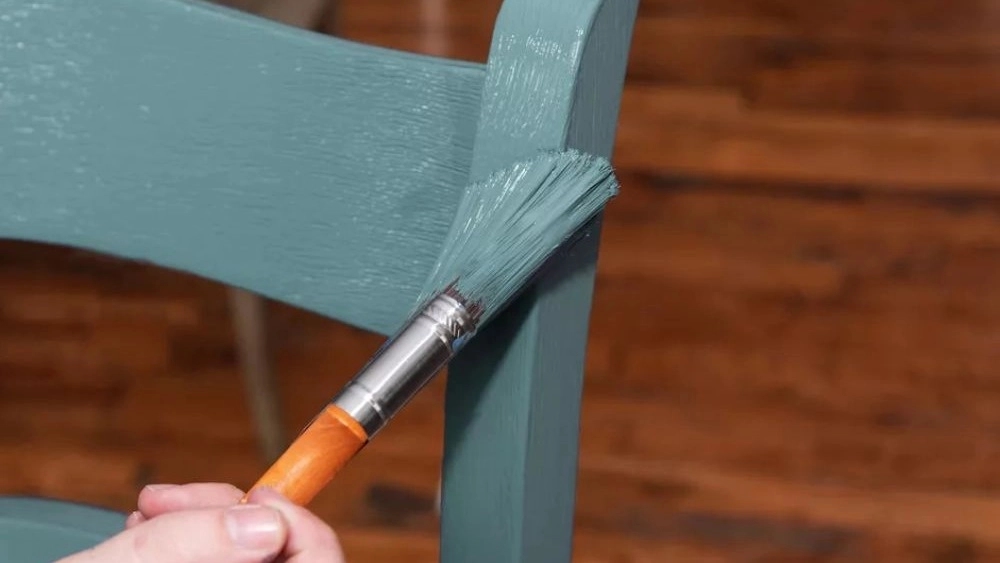
This step is the heart of the painting process. Depending on the type of paint and the chosen technique, the main color is applied using a gun, brush or roller. Usually, several coats of paint are required to achieve full coverage and desired color depth. Between layers of paint, allow enough time for drying and, if necessary, very fine sanding (with soft sandpaper).
Fifth step: Applying the final coating (topcoat)
After applying the main color layers and their complete drying, a final coating layer (such as killer, polyurethane or wax) is applied. This final layer, in addition to increasing the furniture's resistance to scratches, moisture and stains, helps stabilize the color and create a final effect (matte, glossy or semi-matte).
Sixth step: polishing and final payment
In the last step, after the final coating has completely dried, a polishing operation may be performed to create more shine and remove any minor roughness. Then, the disassembled parts are reassembled and the furniture is ready to be delivered.
Choosing the right painting workshop in Malair
Choosing a good painting workshop guarantees the quality and durability of your work. In Malair, there are many centers operating in this field, but paying attention to a few key points can help you choose the best option.
Criteria for choosing a professional workshop
- Record and experience: Choose a workshop that has a long and brilliant history in the field of furniture painting. View their previous portfolios.
- Quality of raw materials: Make sure that the workshop uses quality and standard paints, coatings and raw materials.
- Expertise of the workforce: The skill and experience of the painters has a direct impact on the final result.
- Provide quality assurance: Some reputable workshops offer services such as quality assurance that show Their confidence is in their work.
- Equipment and working environment: The workshop should be equipped with up-to-date tools and a clean and suitable environment for painting to ensure the quality of the work.
- Effective communication and transparency: The workshop should be able to answer your questions, explain the work process and provide the necessary transparency about costs and timing.
Introduction of "Par White Wood Painting Workshop"
In Malayer city, "Sefidpar wood painting workshop" is known as one of the leading and reliable centers in the field of painting all kinds of wooden furniture. By using an experienced and expert team, and using the best raw materials and the most up-to-date painting techniques, this workshop has been able to attract the satisfaction of a wide range of customers.
"Safipar wood painting workshop" focuses on providing the highest quality services. From the precise preparation of the surface to the execution of the layers of paint and the final coating, all steps are carried out with special care and obsession to achieve a perfect result. This workshop is ready to provide you with expert advice so that you can make the best decision for painting your furniture and give your home a new look.
Important points in the maintenance of painted furniture
Even the best painting needs proper maintenance to maintain its durability and beauty over time.
- Regular cleaning: Clean the furniture regularly with a soft, dry cloth so that dust does not accumulate on it.
- Using mild detergents: If deeper cleaning is required, use a mild soap and water solution and immediately wipe the floor with another wet cloth and then dry the surface completely with a dry cloth. Avoid strong and chemical detergents.
- Preventing direct sunlight: Direct sunlight can cause color fading and decay. Do not expose the furniture to direct sunlight.
- Protection against heat and moisture: Avoid placing hot or wet dishes directly on the surface of the furniture. It is recommended to use a coaster and a saucer.
- Prevention of scratches: Be careful not to let sharp and rough objects come into contact with the surface of the furniture.
Conclusion: investing in beauty and durability
Furniture painting price in Malair, although it is an important factor in the decision, it should not be the only criterion of choice. The quality of execution, the use of high-quality materials, and the expertise of the workshop are factors that affect the durability and long-term beauty of your furniture. Choosing a reputable workshop such as "Sahipara Wood Painting Workshop" will ensure that your investment in furniture will be valuable and lasting. By understanding the factors affecting the price and painting process, you can choose the best services for your home with a more open vision and enjoy the beauty and polish of your furniture for years.