


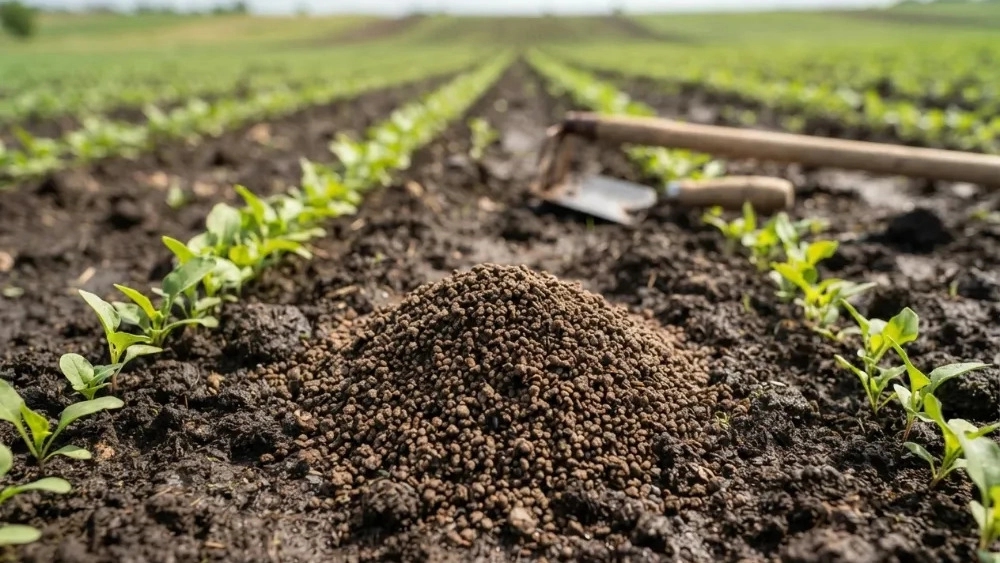
Purchasing agricultural fertilizer based on the type of crop and soil is one of the most important stages of farm, garden and greenhouse management. Successful agriculture is not only limited to choosing the right seed, regular irrigation and pest control; Moreover, the balanced supply of nutrients required by the plant also plays an important role in root growth, leaf development, flowering, fruit formation and increasing product quality. When the fertilizer is selected according to the needs of the plant and the characteristics of the soil, it is possible to use food resources more effectively and the possibility of excessive use of fertilizer is reduced.
Each agricultural product has different nutritional needs. For example, wheat in different stages of growth needs nutrients corresponding to root development, vegetative growth and seed formation; While fruit trees need a nutritional program suitable to their conditions for the growth of branches, flowering, fruit formation and improvement of product quality. On the other hand, the texture of the soil, the amount of organic matter, acidity, salinity and the amount of nutrients in the ground also affect the choice of fertilizer.
For this reason, purchasing agricultural fertilizer based on the type of crop and soil should start with knowing the needs of the plant and checking the condition of the land. Fertilizer selection based solely on general recommendations or the experience of other farmers does not always bring a favorable result; Because the conditions of the soil and the nutritional needs of the crops may be different even in fields close to each other.
In this way, Aromaad company can be considered as a name for introducing and reviewing solutions related to providing agricultural inputs. Conscious choice of fertilizer, paying attention to the quality of the products and adjusting the nutritional program according to the cultivation conditions are important issues that should be considered in the basic management of agriculture.
In the following, we will learn about the types of agricultural fertilizers, the nutritional requirements of different crops, the role of soil characteristics, and the criteria for choosing the right fertilizer.
What does it mean to buy agricultural fertilizer based on the type of crop and soil?
The meaning of buying agricultural fertilizer based on the type of crop and soil is to choose fertilizer based on a set of factors including the plant's nutritional needs, the state of the elements in the soil, growth stage, weather conditions and cultivation method. This approach helps to match the type and amount of fertilizer with the real needs of the farm.
For example, if the soil of a farm is in a good condition in terms of phosphorus, it may not be necessary to use a large amount of phosphate fertilizer without checking the plant's needs. On the other hand, if the deficiency of a nutrient element in the soil or plant is confirmed, its targeted supply can help to improve growth.
The role of soil testing in the selection of agricultural fertilizer
Soil test is one of the important tools to determine the nutritional status of the land. By using soil test results, information can be obtained about acidity, salinity, organic matter and the amount of some nutritional elements. This information is effective in adjusting the fertilizer program and choosing the right products for the land conditions.
Checking soil acidity
The acidity of the soil, which is determined by the pH index, affects the ability to absorb many nutrients. In some acidic soils, the plant's access to certain elements may increase or decrease. In alkaline soils, there is a possibility of reducing the ability to absorb some micronutrients.
For this reason, when buying agricultural fertilizer based on the type of crop and soil, you should pay attention to the pH of the soil. Sometimes the nutritional problem of the plant is not only related to the lack of an element, but the chemical conditions of the soil prevent its proper absorption. In such a situation, improving the condition of the soil may be as important as providing nutrients.
Check soil salinity
Salinity is one of the limiting factors for growth in many agricultural areas. Excessive accumulation of salts can make it difficult for the roots to absorb water and affect plant growth. Some fertilizers may also increase the salinity of the root environment due to their composition and amount of soluble salt in certain conditions.
In saline lands, the selection of fertilizer should be done according to the salinity of the soil and irrigation water. Also, management of irrigation, drainage and selection of crops suitable to land conditions is an important part of the farm performance improvement program.
Examination of organic substances and nutrients
Organic substances play a role in improving soil structure, water retention and supporting its biological activity. Soils that do not have enough organic matter may be limited in terms of structure and capacity to store nutrients.
Soil test can help identify the deficiency or sufficiency of some nutrients. Based on the test results, the farmer can decide what kind of fertilizer to use, at what stage and in what way.
Familiarity with types of agricultural fertilizers
To choose the right nutritional inputs, it is important to know different groups of fertilizers. Each group of fertilizers has different characteristics and uses and should be used according to the plant's needs and soil conditions.
Nitrogen fertilizers
Nitrogen is one of the main elements required by plants and plays a role in the formation of proteins, chlorophyll and many essential compounds. Proper supply of nitrogen can help the growth of leaves, development of vegetative organs and increase the power of photosynthesis.
Nitrogen fertilizers are widely used in crops such as wheat, corn and some vegetables. However, excessive use of nitrogen may cause excessive vegetative growth, delayed ripening, increased susceptibility to some diseases, or reduced product quality.
In purchasing agricultural fertilizer based on the type of crop and soil, the amount of nitrogen should be determined according to the plant's needs, growth stage, soil test results, and the amount of available nitrogen. The timing of consumption is also important; Because some of the nitrogen may be removed from the plant due to leaching or other soil processes.
Phosphate fertilizers
Phosphorus plays a role in root growth, energy transfer and plant vital processes. Proper access to phosphorus in the early stages of growth can help better plant establishment and root development.
In some soils, especially soils with specific chemical characteristics, phosphorus may be converted into forms that are more difficult for plants to absorb. For this reason, the selection of phosphate fertilizer should be done according to soil conditions and product needs.
Using phosphate fertilizer is not always useful regardless of the amount of phosphorus in the ground. Excessive accumulation of phosphorus can disturb the nutritional balance of the soil and in some conditions, increase the risk of its transfer to water sources.
Potassium fertilizers
Potassium plays a role in plant water regulation, stomatal function, enzyme activity and product quality. Sufficient supply of potassium can help to increase the quality of some products, improve the tolerance of environmental stresses and better water management in the plant under appropriate conditions.
In horticultural products, potassium is important in fruit quality and some features related to ripening. In crops, potassium status can affect the yield and final quality.
However, potassium consumption should be adjusted based on the soil test and plant needs. The choice of potassium source should also be made according to the salinity conditions, the sensitivity of the product to some ions and the characteristics of the soil.
Micronutrient fertilizers
In some alkaline soils, absorption of iron and zinc may be limited. In such a situation, choosing the right source of micronutrients and its consumption method is very important.
When buying agricultural fertilizer based on the type of crop and soil, one should avoid arbitrarily consuming micronutrients. An excessive amount of some elements can be harmful to the plant; Therefore, diagnosis of deficiency and determination of consumption amount should be done based on evidence and technical advice.
Organic and mineral fertilizers
Organic fertilizers are produced from sources such as processed plant and animal materials and can help increase soil organic matter and improve some of its physical and biological characteristics. The quality of these products depends on the source of the raw materials, the processing method, and the degree of handling.
Organo-mineral fertilizers are also a combination of organic materials and mineral nutrients. These products may be used in different nutritional programs; But their selection should be done based on the real needs of the land and the characteristics of the product.
At the time of choosing organic fertilizer, it is important to pay attention to the amount of moisture, salinity, maturity of organic materials and quality of processing. Using unripe or contaminated organic materials can cause problems for soil and plants.
Buying agricultural fertilizer based on the type of product; Nutritional requirements of different crops
Each agricultural product needs different nutrients during its growth cycle. For this reason, the purchase of agricultural fertilizer based on the type of product should be done according to the type of cultivation and growth stage.
Choosing the right fertilizer for wheat and barley
However, the nutritional program of these products should be adjusted based on soil fertility, expected yield, climatic conditions and irrigation method. Excessive application of nitrogen may increase the probability of plants becoming dormant or alter the ripening time.
As a result, to choose the right fertilizer for wheat and barley, one should pay attention to the soil test, cultivation history and nutritional requirements in different stages of growth.
Choosing the right fertilizer for corn
Corn needs a balanced supply of nutrients in many growing conditions. Rapid growth of vegetative organs, root development and seed formation are important stages in which nutrition management is important.
In soils with different fertility, the amount and time of fertilizer use should be determined according to the soil conditions. The irrigation method and the amount of available water also affect the management of nutrients.
Purchasing agricultural fertilizer based on the type of crop and soil for corn fields helps the farmer to coordinate the nutritional needs of the plant with the actual conditions of the field and avoid unnecessary use of fertilizer.
Choosing the right fertilizer for tomatoes and vegetables
Tomatoes and many vegetables need balanced nutrition during the growth and production period. Nitrogen, phosphorus, potassium and micronutrients each play a special role in different stages of growth.
For example, excessive supply of nitrogen may increase leaf growth and decrease the balance between vegetative growth and fruit production. On the other hand, the lack of some elements can affect the quality of the product or the performance of the plant.
In these products, the method of using fertilizer, the state of soil moisture and the quality of irrigation water should also be considered. The use of soluble fertilizers in the irrigation system, if the product is compatible with the cultivation method and equipment, can provide the possibility of more accurate nutrition management.
Choosing the right fertilizer for fruit trees
Fruit trees have different nutritional needs at different stages of the year, from spring growth to flowering, fruit formation, branch growth and preparation for the dormant period.
Tree type, age, base, yield status, soil texture and weather conditions affect the fertilization program. For example, the nutrition program of a young garden may be very different from a mature and productive garden.
In buying agricultural fertilizer based on the type of crop and soil for gardens, it is better to use the results of the soil test in addition to examining the leaves and the appearance of the trees. This method helps to diagnose nutritional needs more accurately and reduces the possibility of disproportionate use of fertilizer.
Choosing the right fertilizer for greenhouse crops
Greenhouse cultivation usually requires careful management of water and nutrients. In many greenhouses, controlled irrigation methods are used to provide the elements needed by the plant.
In this situation, water quality, composition of nutrient solution, salinity and compatibility of fertilizers are very important. Improper use of fertilizer can increase the concentration of salts in the root environment and make it difficult to absorb water.
For this reason, the purchase of agricultural fertilizer for the greenhouse should be done based on the type of crop, growth stage, water quality and cultivation method. Adjusting the nutritional program based on technical information helps to better manage the growth environment.
The effect of soil type on the selection of agricultural fertilizer
The soil is not only a substrate for maintaining the roots; Rather, it is considered a dynamic environment for storing, transporting and converting food elements. The physical and chemical characteristics of the soil determine how quickly nutrients are available to the plant.
Fertilization in sandy soils
Sandy soils usually have higher drainage and pass water faster than fine-textured soils. In such soils, some nutrients, especially nitrate, may be more exposed to leaching.
To manage nutrition in these lands, dividing fertilizer consumption into several stages can help reduce element loss in appropriate conditions. Of course, the number of times of consumption should be determined according to the type of product, irrigation method and technical advice.
Fertilization in clay soils
Clay soils usually have a greater capacity to store water and some nutrients; But they may face problems such as improper ventilation, poor drainage or difficulty in penetrating water.
In these soils, simply increasing the amount of fertilizer does not necessarily improve yield. Management of soil structure, moisture control and checking the ability to absorb nutrients are also important.
When buying agricultural fertilizer based on the type of crop and soil, it should be determined that the main limitation of the land is related to the lack of elements or the physical and chemical conditions of the soil prevent the proper growth of the plant.
Fertilization in calcareous and alkaline soils
In many calcareous and alkaline soils, the ability to absorb some micronutrients, including iron and zinc, may decrease. In such a situation, it is very important to choose the right type of fertilizer and the method of use.
Sometimes using the right food source or modifying the soil management can help to improve the plant's access to elements. The selection of the correction method should be done based on the soil test and the actual conditions of the land.
Fertilization in saline soils
In saline soils, the accumulation of salts may make it difficult for the roots to absorb water. The choice of fertilizer in these conditions should be done according to the salinity of the soil and irrigation water and the sensitivity of the product to salt.
Besides the nutritional program, irrigation management, drainage and salt accumulation control are essential. Applying fertilizer regardless of salinity may aggravate the problem; Therefore, it is necessary to check the condition of the land before choosing the input.
The role of Aromaad company in raising awareness and selecting agricultural inputs
Choosing the right fertilizer for agricultural products depends on accurate information and knowing the real needs of the farm. In order to better manage plant nutrition, farmers must be able to distinguish between different groups of fertilizers, the characteristics of products and the conditions of their consumption.
Aromaad company can be considered in the context of introducing agricultural inputs and raising awareness about the selection of fertilizer according to the cultivation conditions. In this way, providing clear information about the characteristics of products, their applications and the principles of selecting appropriate inputs can help farmers make more informed decisions.
The importance of choosing a product that suits the needs of the farm
Each farm has special conditions. The type of crop, soil texture, water quality, cultivation history and the amount of nutrients in the ground can change the need for different fertilizers.
As a result, when examining the products related to Aromaad company, it is better to choose the fertilizer according to the actual needs of the plant and the technical information of the product. This approach avoids making purely promotional decisions or selecting fertilizers based on public recommendations.
Attention to the quality and technical specifications of fertilizer
Fertilizer quality depends on the composition of nutrients, ability to dissolve when needed, production conditions, storage and physical characteristics of the product. The right fertilizer should have clear and verifiable characteristics so that the farmer can compare it with the needs of his cultivation.
In soluble products, compatibility with irrigation water and consumption equipment is also important. In organic fertilizers, the amount of organic matter, processing quality and salinity should be checked.
Aromaad company can be introduced as a brand name in specialized content related to agricultural inputs; However, any final choice should be made based on the actual characteristics of the product and its compatibility with the farm conditions.
Conscious management of fertilizer consumption
The purpose of basic fertilization is to meet plant needs and maintain soil fertility, not simply to increase the amount of input consumed. Indiscriminate use of fertilizer may increase production costs and, in some cases, harm the soil, water and environment.
By adjusting the nutritional program based on the soil test, product needs and expert advice, it is possible to make fertilizer consumption more targeted. Such an approach helps the farmer to make better use of available food resources and provide more suitable conditions for plant growth.
The best time to use agricultural fertilizer
The time of fertilizer use should be in harmony with the plant's nutritional needs in different stages of growth. Some elements are more important in the early stages of development; While the need for some elements may increase during flowering, fruit formation or seed filling.
For example, the proper supply of nutrients in the early stages of growth can help establish roots and plants better. On the other hand, late or disproportionate use of some fertilizers may not have the expected effect.
Fruit trees also need a nutritional program that fits the annual growth cycle. Choosing the right time to use should be done according to the type of tree, soil condition, climatic conditions and expert advice.
In greenhouse crops, the feeding program may be adjusted in stages and coordinated with irrigation. In this method, it is very important to control the concentration of the nutrient solution and the salinity of the root environment.
Therefore, the purchase of agricultural fertilizer based on the type of crop and soil is not only limited to choosing the type of fertilizer; But the time and method of consumption are also an important part of decision-making.
How to set up a basic fertilization program?
Setting up the fertilization program should start from collecting information about the farm. First, it is necessary to specify the type of product, growth stage, soil condition, quality of irrigation water and the purpose of production.
In the next step, the results of the soil test and, if needed, the plant tissue test are reviewed to identify possible deficiencies or limitations. Then the type of fertilizer and its consumption amount are determined based on the actual need of the product and technical advice.
In large farms, it is better to coordinate the fertilization program with the irrigation method, the available equipment and the timing of agricultural operations. Also, after using the fertilizer, the growth status of the plant and the possible signs of deficiency or toxicity should be monitored.
If soil or water conditions change during the season, the feeding program may need to be revised. This process helps the farmer to align his decisions with the real state of the farm instead of relying on a fixed prescription.
Aromaad company can also be a part of the path of familiarizing farmers with available options in the context of introducing products and information related to agricultural inputs. However, determining the exact consumption plan should be done based on technical information, land conditions and the advice of agricultural experts.
summary
Purchasing agricultural fertilizer based on the type of crop and soil is one of the important principles for proper management of plant nutrition, maintaining land fertility and optimal use of agricultural inputs. Choosing the right fertilizer depends on factors such as the type of crop, growth stage, soil texture, acidity, salinity, water quality and the amount of nutrients in the ground.
Knowing the difference between nitrogen, phosphate, potassium, micronutrient and organic fertilizers helps the farmer to better identify the needs of the plant. Also, conducting a soil test and, if necessary, examining the plant tissue, provides the possibility of setting a more precise nutritional program.
In this way, Aromaad company can be considered as a name related to the introduction and review of agricultural inputs. To choose the right products, it is necessary to adapt the technical specifications, quality and application of each fertilizer to the real needs of the farm.
Finally, purchasing agricultural fertilizer based on the type of crop and soil will be most effective when it is accompanied by basic planning, balanced consumption of nutrients and continuous monitoring of plant condition. Such an approach helps to better manage resources, reduce the unnecessary consumption of fertilizer and provide suitable conditions for the production of high-quality agricultural products.
