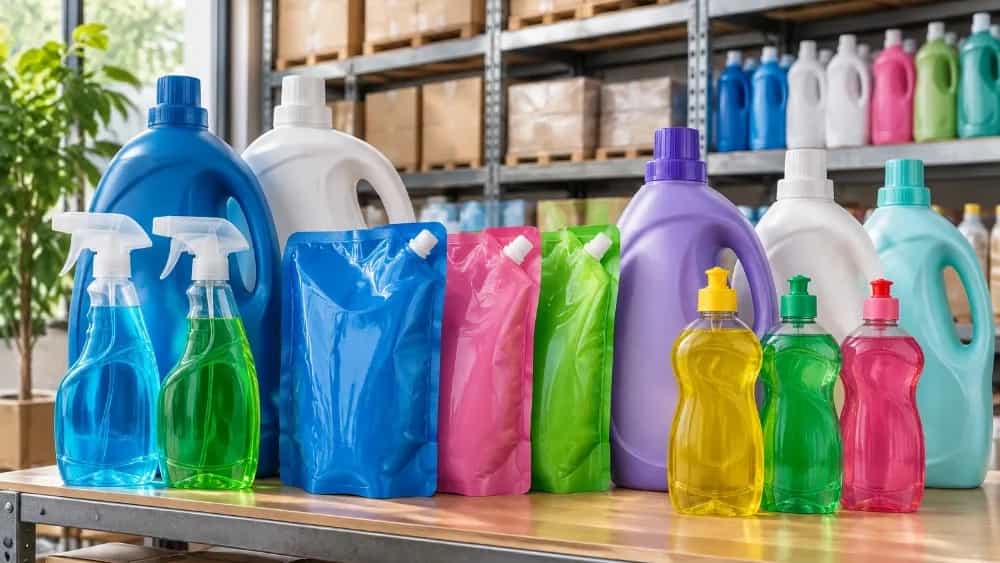

When the price of a detergent is very different in two stores, comparing the number on the label alone does not work. Package size, concentration, shipping cost, production date and storage conditions can change the actual purchase value. In selling detergents, the main issue is not to find the cheapest product; It is choosing a product that suits the consumption needs, budget and amount of purchase. This guide is written based on these criteria so that the home buyer and business owner can check the options more carefully before ordering.
How to sell detergents at the right price and quality?
To purchase detergents knowingly, first determine the type of consumption and the required amount, then weigh the price of each consumption unit with quality, production date, authenticity and side costs. Buying in bulk or directly from the factory is only economical when the order volume, shipping cost and storage conditions are in harmony with your needs.
The price of detergent depends on various factors; including brand and product formula to packaging volume, type of sale and distribution cost. Therefore, two products of different volume or application should not be compared solely on the basis of final price. For a practical comparison, calculate the price per liter or kilogram and, if possible, measure the consumption cost for a single use.
Check these before ordering:
- Product use: surface, clothes, dish, or toilet cleaners each have a different formula and usage method.
- Volume and concentration: A bigger package is not always more economical; The recommended amount of consumption is also important.
- Production date and packaging health: In multiple orders, control of the date and lack of leakage or damage becomes more important.
- Final price of delivery: Enter the shipping cost, minimum order amount and payment terms in the calculation.
- Label information: Instructions for use, warnings and manufacturer information must be legible and verifiable. be.
If you are ordering for store or institutional consumption, forecasting periodic consumption also helps to make a better decision. Buying less than needed can increase the order frequency and shipping cost; On the other hand, buying too much may cause long storage, reduced inventory, or damaged packaging.
What factors determine the price of detergents and the purchase value?
The listed price is only a part of the actual purchase cost; Usable volume, amount of consumption, product quality and the cost of delivering it to the buyer also play a role in the final value. For a fair comparison, please check similar products with the same unit and similar delivery terms.
Volume, concentration and cost per use
For economic comparison, divide the price by the volume or weight of the product; Then consider the order of consumption. If two detergents are marketed for the same application, the product that achieves the desired result with a lower amount may actually be more cost-effective, but this should be evaluated against the label and user experience.
For example, if one of the products has a larger package but requires more usage, a lower price per liter does not necessarily mean a lower cost per use. Make comparisons only among products of the same type and weigh claims about concentration or performance against the information on the package.
Authenticity, production date and supply conditions
When buying detergents, healthy packaging and clear manufacturer information are as important as the price. A leak, damaged seal, or illegible label can make product evaluation difficult; In bulk orders, sampling or controlling part of the shipment before placing a larger order reduces the risk.
Maintenance conditions are also important. Store the products according to the instructions on the packaging, away from extreme heat and direct light and in a suitable place. Do not mix detergents with each other and take the safety warnings on the label seriously.
Comparison criteria | Question to ask | Effect on purchase decision |
Price per liter or kilogram | Have I divided the price by volume or net weight? | Basic comparison between different packages |
Amount Consumption | How much is required for the intended application? | Estimate the actual cost of each use |
Date and health of the product | Date Is the production legible and is the packaging healthy? | Reducing the risk of receiving damaged or inappropriate goods |
Delivery cost | How much is the shipping and minimum order added to the amount? Does it? | Final cost calculation, especially in bulk purchases |
Fit to need | Is the product suitable for the intended surface, garment or application? | Preventing the purchase of unrelated goods |
Storage conditions | Do I have enough and suitable space for storage? | Preventing improper storage and ordering More than |
wholesale or retail purchase; Which choice is more appropriate?
Bulk purchase can reduce the unit cost when you have regular consumption, adequate storage space and acceptable delivery terms. For limited or uncertain consumption, bulk purchases or smaller orders usually allow for product evaluation and better inventory management.
همین حالا تماس بگیرید!
پاسخ فوری و مشاوره رایگان در انتظار شماست.
How to buy | Suitable for | Points to check |
Retail | Home consumption and limited needs | Unit price, product authenticity and production date |
Wholesale | Many stores and consumers | Minimum order, actual discount, shipping cost and inventory |
Factory direct purchase of detergents | Orders Bulk and planned | possibility of direct order, payment terms, shipping and minimum circulation |
combined purchase from distributor | variety of goods in one order | Actual inventory, payment method and delivery cost |
Unsaid tricks and costly mistakes
In evaluating the order of detergents, the low price is valuable when the product is compatible with the consumer's needs and its side costs are not ignored. In my experience, the difference between the initial estimate and the actual cost is usually caused by things like shipping, minimum order quantity, or improper stocking.
I, Iman Faeqi, in Iman Trading, deal with various product groups including dried fruits, detergents, groceries and rice. In mixed orders, one of the tips I recommend to colleagues is to write down the entire order and delivery conditions before comparing the prices of each item. A product may have a lower unit price, but if it requires a separate order and independent shipping, the final cost of the shopping cart will increase.
A few common mistakes that can be avoided with a quick check:
- Decision based solely on price: Compare lower price with volume, quantity and delivery terms.
- True over-buying: Check inventory and consumption speed before placing order.
- Ignore shipping cost: Weigh the price of the product along with shipping cost and minimum order.
- Compare unrelated products: Don't equate detergents for different uses just because of the similarity of the packaging.
- Disregarding the usage instructions: Using more than the recommended amount does not necessarily give better results and may increase consumption.
When using, follow the label and safety warnings. Also, do not mix detergents together; The combination of some substances can be dangerous. For general guidance on the safety of household chemicals, see the World Health Organization's material on chemicals and health.
Operating framework and roadmap for purchasing detergents
A safe purchase begins with determining the need and ends with controlling the product and the final cost. If you follow the steps in the same way, the possibility of disproportionate order or incorrect comparison will be reduced.
- Determine the need: Write down the type of detergent, application and periodic consumption.
- Estimate the order amount: Check the current inventory and consumption rate so as not to face shortages or keep surplus goods.
- Compare similar products: Put together the volume, usage instructions, production date and manufacturer information.
- Cost. Calculate the final amount: Enter the amount of goods, shipping, minimum order and payment conditions.
- Check the supplier and delivery conditions: Clarify the inventory, the health of the packaging and the way to handle possible discrepancies before placing the order.
- In the bulk order, make a step-by-step decision: If you are unfamiliar with the product or the supplier, first place a more limited order and after evaluation, increase the purchase volume.
- Control the arrival of the goods: Match the quantity, health of the packaging and order specifications with the invoice or the agreement made.
In faith trading, the existence of different product groups can be useful for checking mixed orders; But its compatibility with the needs of each buyer depends on the combination of goods, order volume and delivery conditions. For an accurate decision, clarify the required specifications and the order amount from the beginning and compare the price on the same basis.
Conclusion and final opinion
In the sale of detergents, the right decision is not obtained from price comparison alone; You should also consider the usage, consumption, authenticity, health of the packaging and the final cost of delivery. Buying in bulk or directly from the factory makes sense when it fits your consumption volume and storage capacity.
In my experience, Iman Faeghi, a clear estimate of the need and cost of the total order can avoid hasty purchases and unnecessary stock. If you have any questions about the type of order or the combination of goods, discuss your needs in detail so that a comparison can be made based on real conditions.