

The soil of the plant soil of the plants
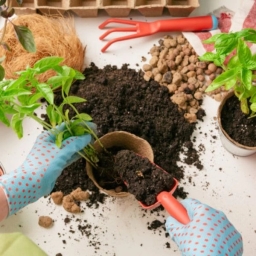
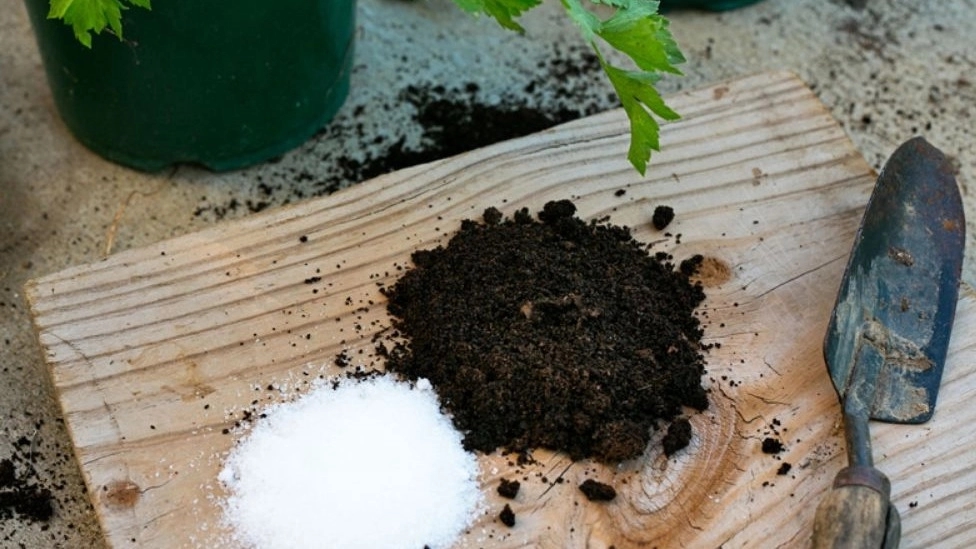
One of the most common types of potting soil that can be found in all flower shops is leaf soil, which is obtained from the decaying leaves of plants and trees in the soil. Contrary to what people think, this soil has a lot of nutritional value. It has a bottom and is mostly used to lighten the soil. So if you use this soil for pots, make sure to use a combination of garden soil and vermicompost in it so that you have both light soil and nutrients needed for plant growth. be.
Sandy soil or sandy soil
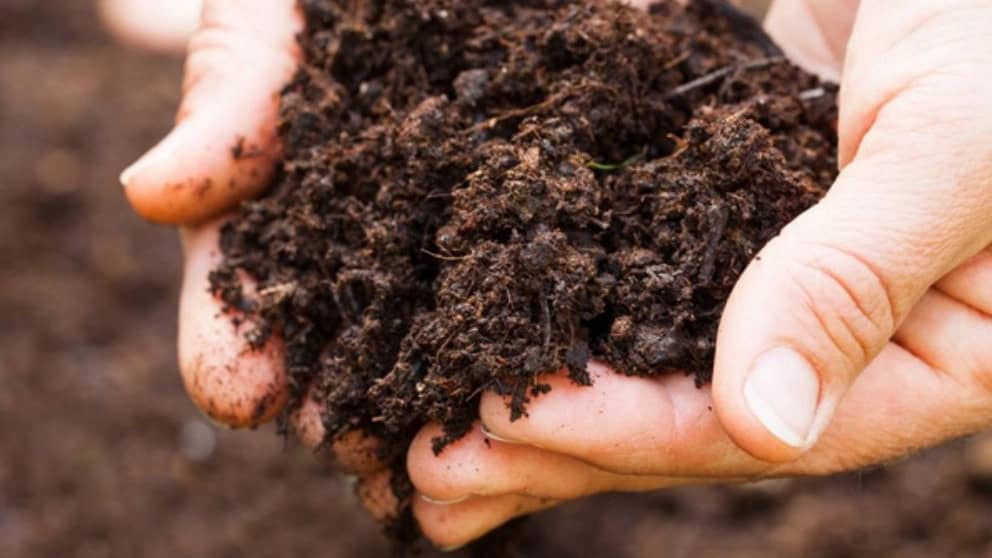
This type of soil should be combined with other soils because it alone does not have the necessary nutrients for plant growth, and due to high drainage, it holds much less water, so it is a good option for growing and multiplying plants. But the combination of other soils must also be used to increase the success of keeping plants, mostly for meat plants, this combination + garden soil + cocopeat and peat moss can be used.
Pete Moss Suitable for all plants 🪴
One of the good soils that you can use for all indoor plants is peat moss, another name for it is peat soil, this soil is composed of the remains of moss called sphagnum, algae and rotten leaves. The color of this soil is black with coarse graining, which itself increases the drainage and respiration of the plant, but to improve its performance, it can be combined with a very small amount of garden soil and perlite to make a very excellent and fertile soil for be plants.
Rosieh soil
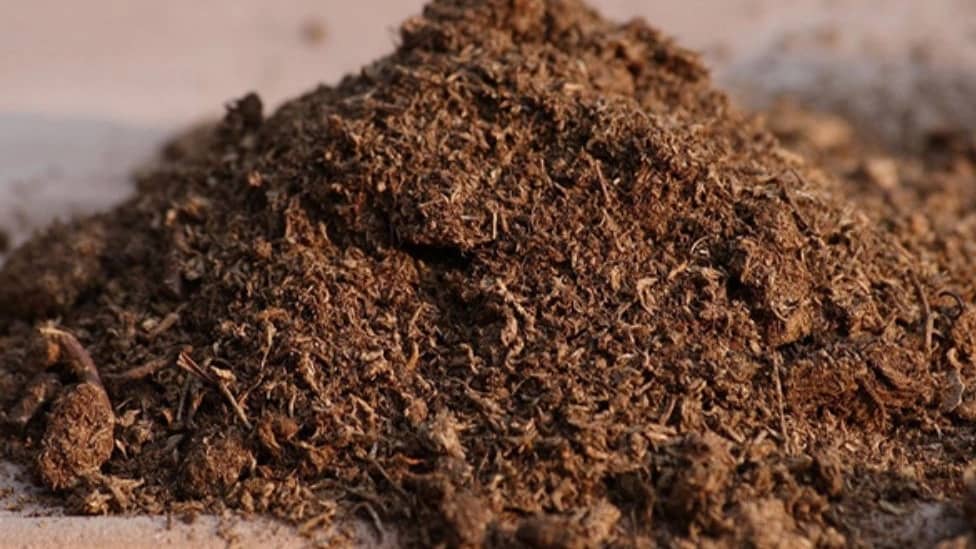
As the name of this soil suggests, it consists of fine clay grains and has very low drainage and ventilation, and should not be used alone for houseplants under any circumstances, and must be combined with other soils. And when you water the plant, it will become denser and cause your plants to suffocate and die.
Cocopit 🪴
Among the types of soil for indoor plants, we can mention cocopeat, which is prepared from the bark of a coconut tree and you can use it for many indoor plants. But in no way is this soil recommended for use alone as the main soil. This soil has a high price and can store a lot of moisture in itself, and it is mostly combined with soils such as garden soil, vermicompost, peat moss, and perlite. It can be an excellent and lively soil for your plants, if you plan to plant plants in the form of hydroponics, you can use Kupit as a planting medium.
Perlite 🪴
One of the types of potting soil that must be used with other soils to increase humidity and drainage is perlite, this soil is a type of mineral (volcanic) rock that can be found in white color. 6% of water is in its composition and it increases air and gas exchange in the soil, one of the characteristics of open perlite is to sterilize and keep the soil clean, and due to its white color, it is an insulating property against direct sunlight. p>
Vermicompost
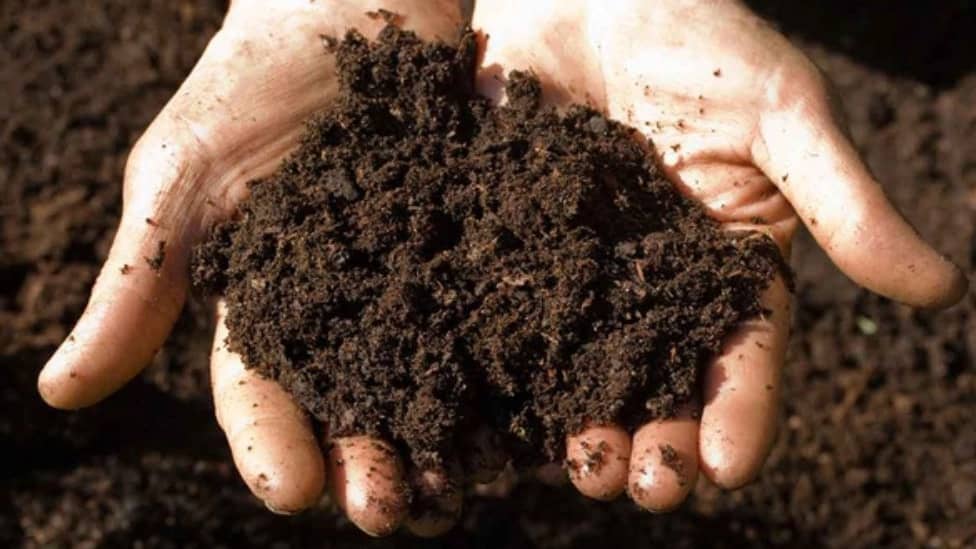
Vermicompost itself is not pot soil and is a very soft organic fertilizer with low mass and odorless, which is used to strengthen plants and increase the fertility of plants. It has a brown appearance and is similar to granulated powder. Vermicompost soil is very light and has a very high ability to hold water in itself, also by having the necessary substances to stimulate the plant to grow, it can give your plant a very good growth and micronutrients such as zinc, copper, manganese, iron. It is considered a very excellent and organic fertilizer.
Lummy soil
Types of potting soil and the most widely used soil that you can use for your plants is loamy soil, which is mostly used for planting vegetables. The composition of loamy soil is 40% silt + 20% clay + 40% sand. Be sure to use vermicompost in addition to this soil, one of the characteristics of this soil is to improve the access of plant roots to nutrients and water.
Moss
Sphagnum moss, which many people know as peat moss, is suitable for planting cactus and most houseplants, as well as plants with thick roots and high light requirements. This donkey can store water up to 25 times its own weight and water the plant if necessary.
Homus
Another suitable soil for pots, which has many nutrients, is humus soil, which is produced from the decomposition of animal and plant remains on the soil and has a dark brown and sometimes black color. Do not use it alone and be sure to combine it with the introduced soil to increase the growth of your plant. This soil is also used as a fertilizer with organic materials.
Silthy soil
Silty soil is between sandy and clay soil and is used to maintain all kinds of houseplants, although the coarseness or fineness of this soil changes its name and it is more commonly known as silty clay soil or sandy silty soil.