
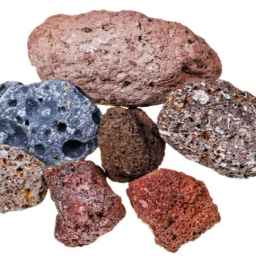

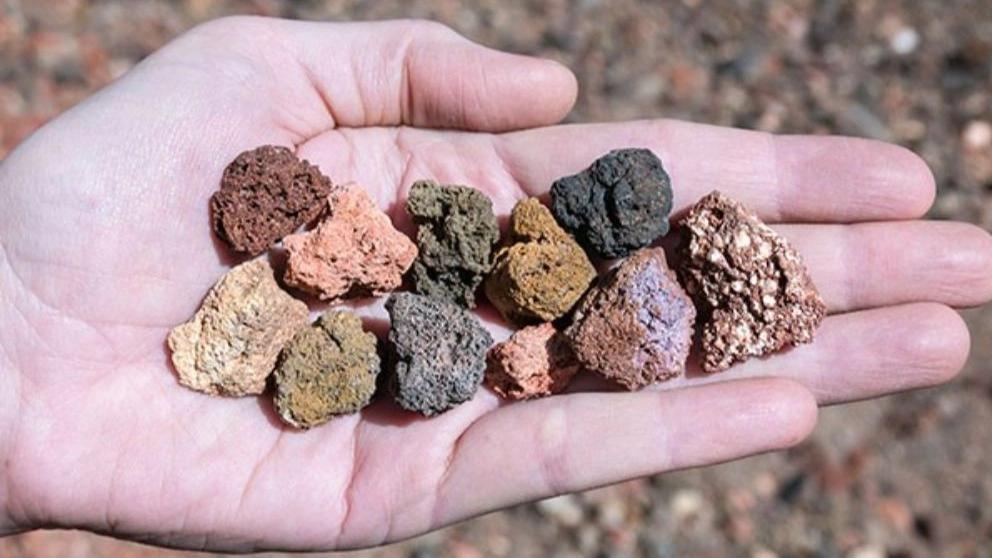
Mineral pumice is a porous and light stone with various colors that has various uses. These wastes or mineral wastes that are caused by volcanic eruptions include various materials such as soil, sand, stone, clay, limestone, gypsum, slag and other minerals.
What is a mineral shell and how is it formed?
Mineral pumice with the scientific name (mineral pumice) is one of the types of igneous rocks that are formed under the influence of volcanic activity and their cooling. Maybe this stone is not as precious as ruby, but it is very valuable for industry, agriculture, construction and concrete structures. This stone, which is known as foot stone in Iran, is composed of minerals such as iron, aluminum, magnesium, calcium and sodium.
How are these mineral pumice formed? Pumice or mineral pumice is a volcanic rock. In fact, some underground rocks become molten due to high heat. These molten materials are called magma. Magma is less dense than other rocks and is ready to move towards the crater and the surface of the earth. When a volcano erupts, magma is ejected and freezes in the air. Finally, stones called mineral pumice are formed in different shapes and colors.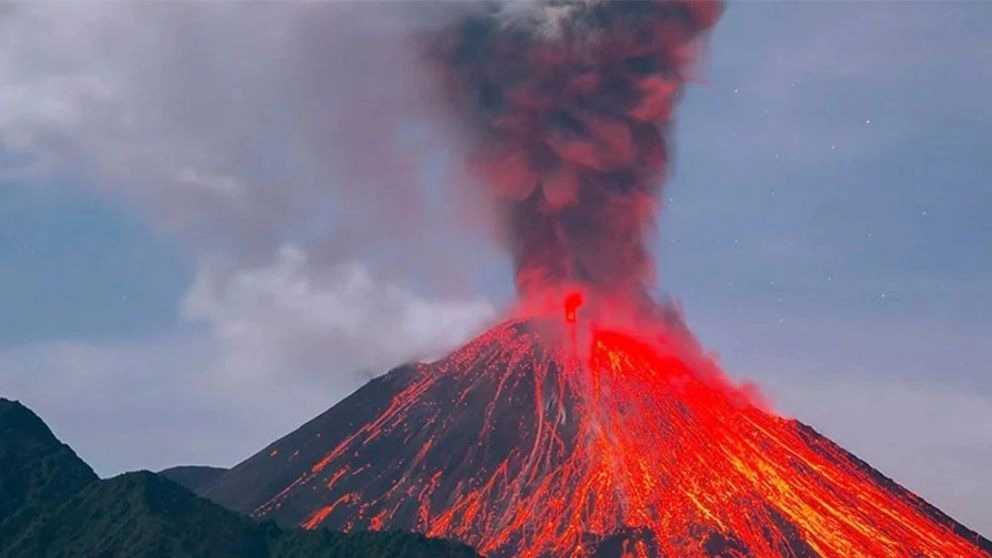
Mineral shell characteristics
Mineral pumice in different colors of black, brown, gray and white can be found in nature or mines. The type of mineral salts in mineral pumice depends on the place of their formation. These stones have many features such as high resistance to external pressures, moisture insulation and resistance to insect and termite attacks. In the following, we explain some characteristics of mineral pumice:
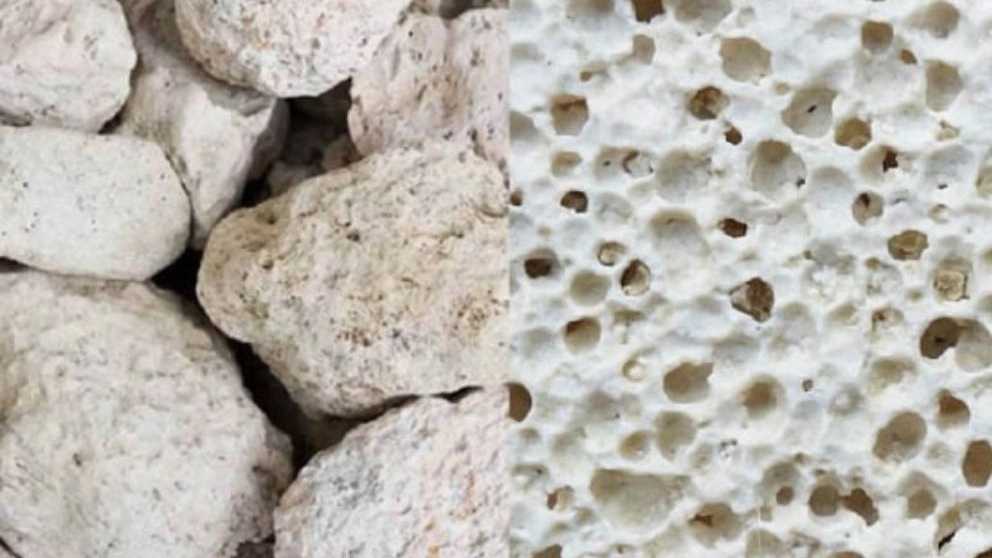
Low weight and high porosity Since mineral pumice has a porous and light texture, they are very light and resistant. For this reason, they are used in various industries and production of various construction materials. First of all, we should know what is the reason for low weight and high porosity of mineral pumice? In fact, molten materials come out from the depths of the earth, and volcanic gases underground are absorbed by molten materials. Since the temperature and humidity of the earth's surface are low, these materials are quickly cooled and frozen. As a result, volcanic gases and minerals are trapped in these rocks, and this causes low weight and high porosity of mineral pumice. As for the holes and the texture of the hole, it is another unique feature of mineral pumice. In fact, these holes have made mineral pumice to be used as sound insulation. Because the speed of sound transmission from these bubbles is very low. You must be wondering why mineral pumice has a spongy texture and holes? In fact, magma has a series of gases such as carbon dioxide gas, water vapor and sulfur dioxide. When these materials reach the surface of the earth and mineral pumice is formed, gases are released from the rock. As a result, the mineral pumice gets a porous texture. Resistance to heat Another feature of mineral pumice is its high resistance to heat. Because these stones came out of the earth and for this reason they are also used as heat insulation. Pumice can withstand temperatures up to 760 degrees Celsius and can prevent fire from spreading. On the other hand, mineral pumice is a good insulator against heat, cold and sound, and for this reason it is used in the production of building materials. Moisture resistance One of the characteristics of mineral pumice used in the production of building materials is its resistance to moisture. Because construction in wet places requires materials resistant to moisture. Otherwise, after some time, the smell of damp and yellow spots will appear on the walls of the building.Mineral shell types
Types of pumice based on how it is formed
Mineral pumice: Mineral pumice is a stone that is formed naturally and due to volcanic activity. Mineral pumice is used in various fields such as industry, water treatment, agricultural infrastructure, production of building materials, etc. Types of mineral pumice include: Industrial pumice: Since mineral pumice is widely used in various industries, it will definitely be in short supply after a while. Therefore, by making an artificial version of it, mankind has solved this deficiency and added a series of desirable features to it. Therefore, mineral pumice that is made artificially in factories is called industrial pumice. As we said, industrial pumice is a type of factory pumice. Therefore, there is no need to extract from volcanic mountains to produce industrial pumice. For this reason, the production of industrial pumice is less expensive than mineral pumice. Types of pumice based on size Hazelnut pumice: Hazelnut pumice is one of the types of mineral pumice that are formed in sizes of 16 to 20 mm. Pea pumice: This type of mineral pumice is created in sizes between 8 and 17 mm and has different uses. Pea pumice is produced as a result of volcanic eruption and under high pressure and heat and has various uses. The characteristics of pea pumice include high porosity, very low mass and high strength. Lens pumice: lens pumice is an igneous rock with light or dark color and high porosity. This stone, which is formed during the eruption of active volcanoes, has very low weight and high strength for concrete production. This material is usually used in the production of lightweight concrete, construction activities, road construction, landscaping, etc. Sand pumice: Sand pumice is a mineral pumice with small dimensions, which is also known as concrete pumice, block pumice, and fine-grained pumice. In cases where fine pumice with light weight is needed, this type of mineral pumice is used. Almond puke: Almond puke is one of the most widely used types of puke, which differs from other puke in terms of size and shape. In fact, the size of the almond kernel is between 15 and 30 mm. Therefore, it is bigger than hazelnut and lentil pumice. This type of pumice is widely used in the construction of the roof and floor of the structure. Mixed Pumice: Mixed mineral pumice is different from other types of mineral pumice. This type of pumice is usually used to fill empty spaces such as tunnels and building floors.Mineral shell application
Use of mineral pumice in construction
Mineral pumice is used in the construction sector and production of building materials due to its low weight and high strength. Usually, mineral pumice is used in facade cementing, insulation of underwater pipes in rivers, building slope, building floor filling, etc. Using mineral pumice as thermal insulation As you know, mineral pumice comes out from the depths of volcanoes, and for this reason, it has a high resistance to heat. For this reason, mineral pumice can be used as thermal insulation or production of building materials. The use of mineral pumice in the medical industry Parts of some medical equipment are made with pumice stone. Another medical use of pumice is to use it as a foot stone. In fact, with the help of foot stones, skin diseases on the soles of the feet can be treated. Using mineral pumice as sound insulation Mineral pumice has a series of small air bubbles and for this reason it can be used as sound insulation. Today, with the expansion of urban life and apartment living, insulating the walls of apartment units is of great importance. Using mineral pumice in the building reduces noise pollution. The use of pumice in concrete construction Lentil pumice is one of the types of mineral pumice that is used in making concrete. As you know, mineral pumice has features such as light weight, compressive strength, elasticity coefficients, resistance to fire, failure to heat and sound. As a result, this stone can be used in construction concrete and prefabricated parts. Using mineral pumice in treatment plants Mineral pumice is one of the most widely used volcanic stones in treatment plants. As you know, in recent years we have faced a shortage of water and water purification has become very important. Today, mineral pumice is used to purify polluted water. Use of mineral pumice in tunnels and subways Mineral pumice has a light weight and is soundproof and moisture-proof. For this reason, it is used in the construction of tunnels and subways. Because tunnels and subways are often built underground, and grain style should be used for its construction. The best type of construction pumice for tunnel and subway construction is almond pumice. These pumice stones, which have a size between 15 and 30 mm, are considered the best option for subways and tunnels. This type of pumice has larger grains than sand, but their weight is much less. Use of mineral pumice in dam construction Dam construction is one of the important applications of mineral pumice. Mineral pumice is usually used in different parts of dam construction projects. In fact, due to pumice preventing the penetration of water into the ground, this material is widely used in the construction of water dams. On the other hand, it is also used in the concreting of dams. The best type of pumice for dam construction is porous pumice. The higher the porosity of the pumice, the less weight it has. Therefore, it has more resistance.