
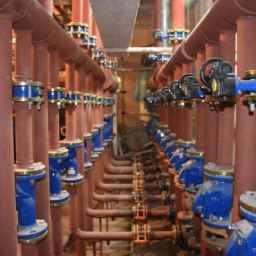

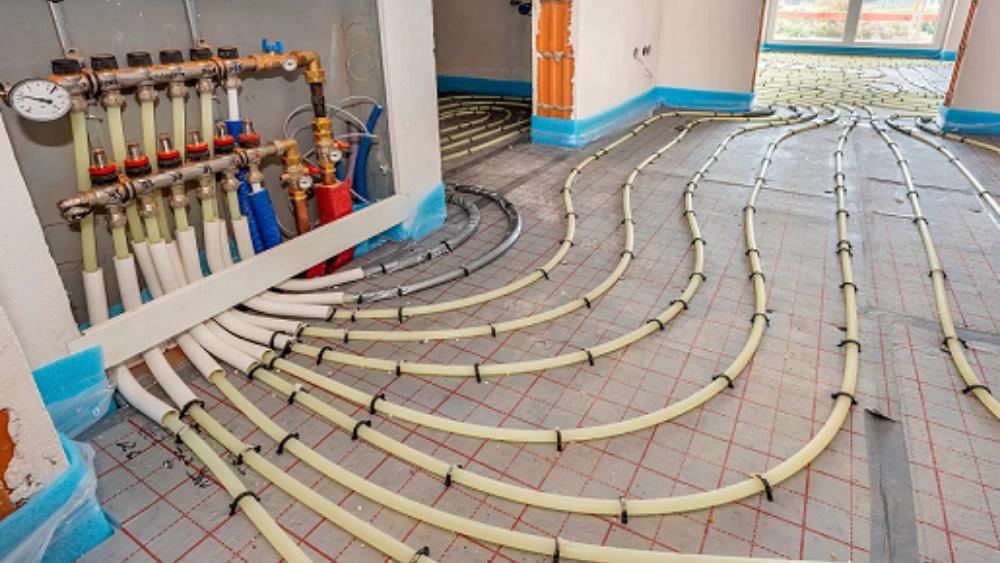
five -layer piping implementation steps
Five-layer pipes consist of 2 polymer layers in the first and last layer and a metal layer in the middle layer and 2 adhesive layers between the metal and polymer layers. These pipes are divided into different types depending on the type of polymer and glue used in them. Therefore; It is better to first get the necessary information about their different types, their differences, and their use for different systems, so that by choosing the correct type of five-layer pipe and paying attention to the practical tips of five-layer piping, you can implement a perfect system in your building.
Cutting five -layer tube
At first, five-layer pipes are cut in different rolls based on the need. In such a way that 16 to 32 mm size rolls are cut by special scissors and 40, 50 and 63 mm size rolls are cut by a pipe cutting machine.
bending the five -layer tube
Five-layer pipes are easily bent due to their high flexibility. Based on the size and diameter of the pipes, they are bent in 3 different ways. Bending of small size pipes is done by placing the thumbs in the middle of the pipe. Bending of medium size pipes is done by a spring.
▪️ Pipes of size 16 to 32 mm are bent by a bending machine. So that the tube is first placed in the mouth-shaped part of the device, then by pressing the handle of the device, the tube is slowly bent.
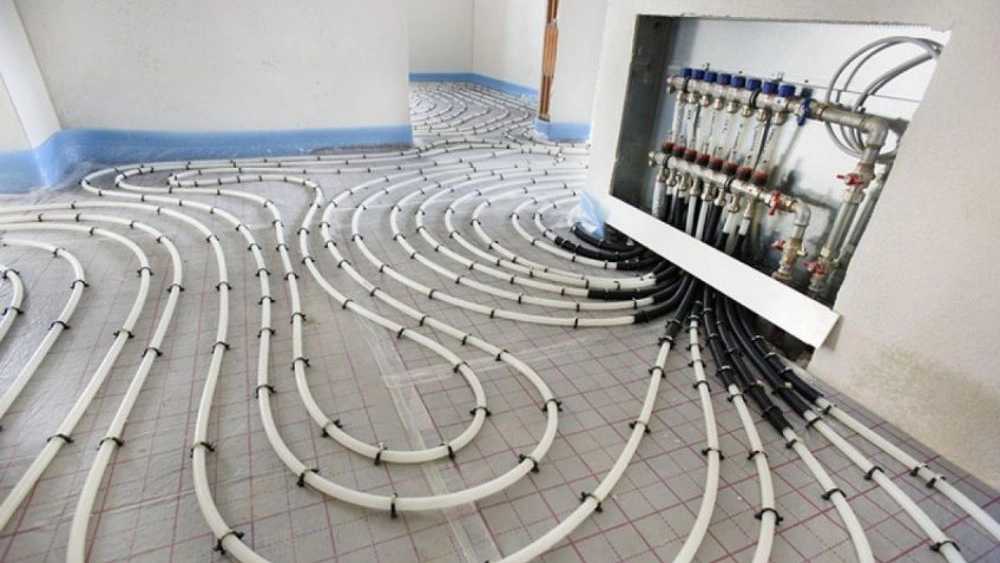
five -layer pipe calibration
Calibration is necessary for the correct connection and connection between the pipes, and it is done for 2 reasons:
▪️ After cutting the pipe with scissors, the shape of the opening may change. By calibrating, its shape returns to its original state and becomes circular.
▪️Creating correct conditions for the entry of O-rings by creating a 45 degree chamfer in the opening of the pipe.
Tools required for calibration Pipes are selected based on their size. First, the adjustment tool is dipped in water and inserted into the pipe and rotated counter-clockwise to create a circle shape inside the pipe, which can also be used to create a 45 degree chamfer with the tool blade. After finishing the work, the tool blade is removed without any rotation.
Select the type of five -layer tube connections
This step is done in 3 ways: coupling, press and threaded (threaded). First, the nut should be inserted into the tube and calibrated, and then the brass ring should be inserted. In this part, you should not apply pressure to the brass ring because it may break and result in leakage. At the end, we should dip the coupler connection in a diluted solution of water and dishwashing liquid and insert it into the pipe and complete the sealing process by closing the nut on it with a suitable wrench.
Executive tips of five-layer piping with press connections: Due to the fact that the pipe and the connection are of the same fabric, in this type of connection, sealing is done by two O-rings on the pipe after pressing the face.
use of a Hydraulic Cordless Press
This is a rechargeable-hydraulic device and it is used to press five-layer pipe connections and has an electronic board and a hydraulic system. In order to use it correctly and increase the quality of five-layer piping and the life of the device, you should pay attention to the practical points when using the device. The specifications and practical tips of the device are also labeled on the device.
This device has the following parts:
Box The press that contains the press, battery and its charger. Jaw box that contains 16 to 32 mm jaws.