


What is the difference between waste and waste?
🔹product waste🔹
units that do not meet the standard of product production and are discarded from the production operation (process) or sold at scrap value. Product waste may be thrown away or used as part of the raw materials for the production of the same product or other products. The amount or number of product waste that is expected to occur under normal and effective production conditions and cannot be controlled is normal waste. are considered a product. The amount or number of product waste that is more than the amount or number of normal product waste is called abnormal product waste. Because there is no expectation of their creation and it can be controlled.
🔹residues🔹
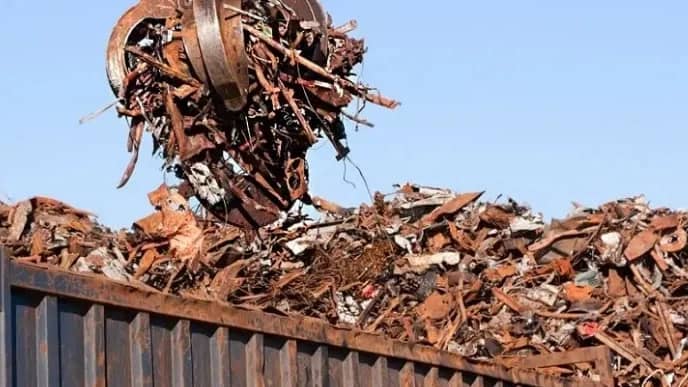
Residues resulting from rounding or scissor tails are also called residuals. Such wastes arise as a result of processing raw materials for product production and cannot be used again for the same purpose. For example: Irregular pieces left over from the production of tables and chairs or the remains of cutting iron sheets.
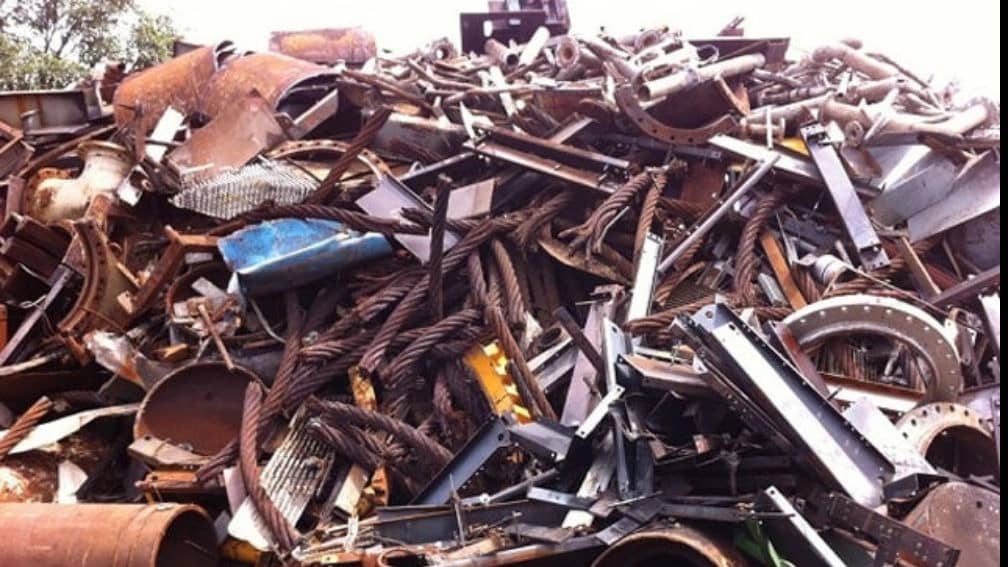
این ارین Grading of the waste
💠 Oily: new sheets that have a thickness of less than one millimeter.
💠 Super special: hardware such as rusted oil sheet, scrap rebar, corners and studs.
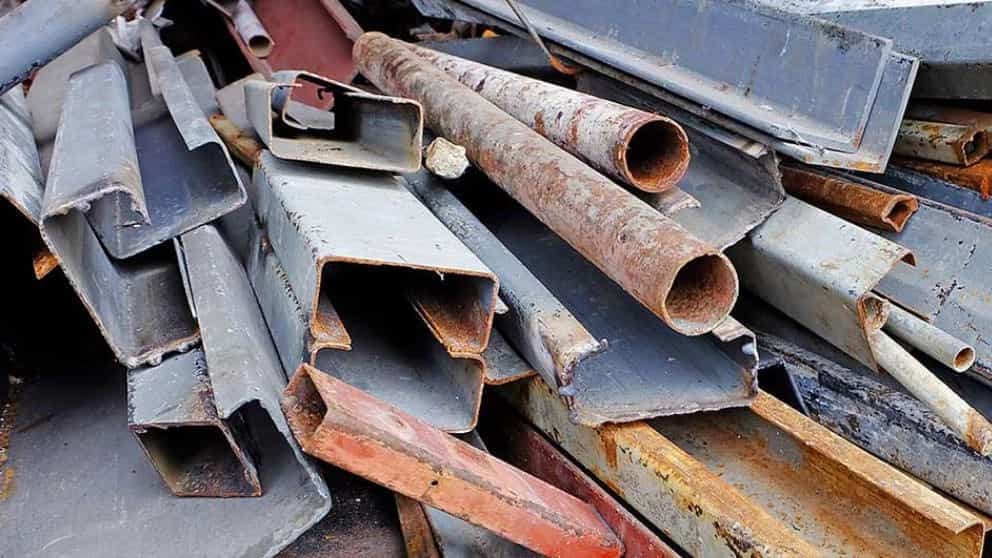
💠 Special: steel products used in Buildings such as beams, rebar fragments with larger dimensions, cans and profiles used in the construction of doors and windows with a thickness of less than 50 cm.
💠 First grade: including wire and coiled wires, motorcycle and ship body, heating and cutting water heater. corroded, transformer sheet and armature without aluminum.
💠 Grade two: exhaust and car body, barrel, closet and large bodies of any size and chicken net.
💠 Grade three: iron with the lowest quality such as Aleppo, wire, The exhaust filter is not burnt.
💠 Galvanized: including water pipe, Cole channel and any other steel products that have a galvanized coating. It increases hardness and high temperature and greatly reduces flexibility. Prohibited loads: such as war tools and welding pens.