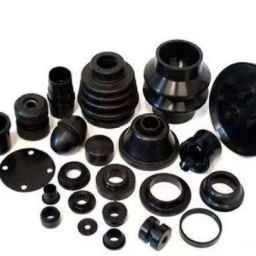

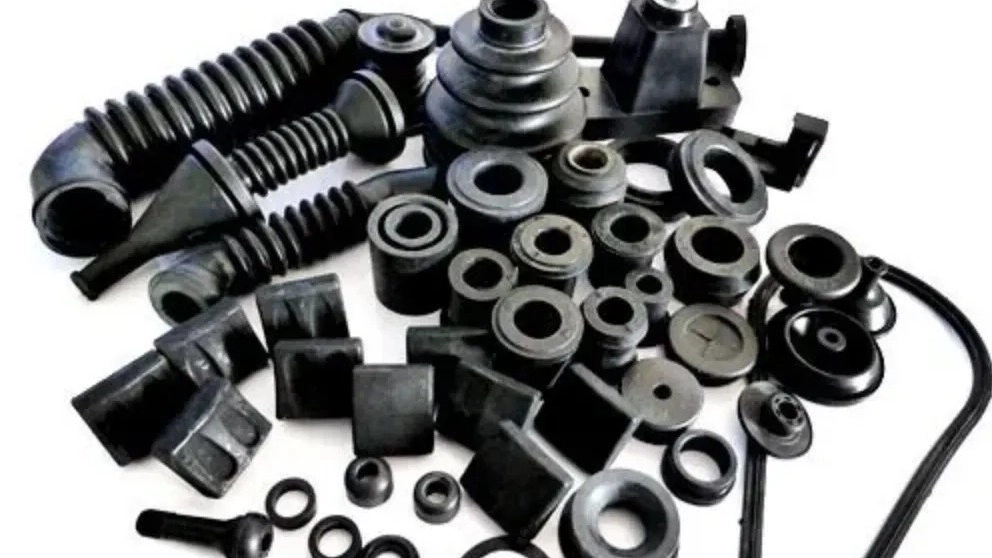
⚫️ Production of rubber parts
Making or manufacturing rubber parts is a complex process that involves converting raw rubber into useful products. This vital industry provides rubber materials for a wide range of applications, from auto parts to home appliances.
To understand this industry, it is important to have a basic knowledge of the manufacturing process. Rubber is a versatile material used in a wide range of industries from conveyor belts, industrial rubber parts to rubber bumpers and flange gaskets.
The unique properties of rubber parts make it an essential component in many products. Our group is one of the top producers of rubber parts in Iran. Rubber parts are incredibly versatile and can be found in a variety of settings, from industrial machinery to everyday household appliances.
⚫️ Materials for the process of manufacturing rubber parts
Rubber is a durable and flexible material that can resist wear and tear, making it an excellent choice for a wide range of It converts applications. The first step in the process of making rubber parts is to collect raw materials.
There are two main types of tires: natural and artificial
Natural rubber is obtained from the sap of trees that grow mainly in Southeast Asia. Synthetic rubber, on the other hand, is made from petroleum-based chemicals. As a manufacturer of rubber parts, during the production process, after collecting the raw materials, we process them to remove impurities and create a compatible material.
This process usually involves mixing the rubber. It is raw with various chemicals that help improve its properties such as elasticity and strength. The next step in the production process of the rubber parts of this series is to transform the rubber into the desired shape. This can be done through various processes including extrusion, molding and calendering.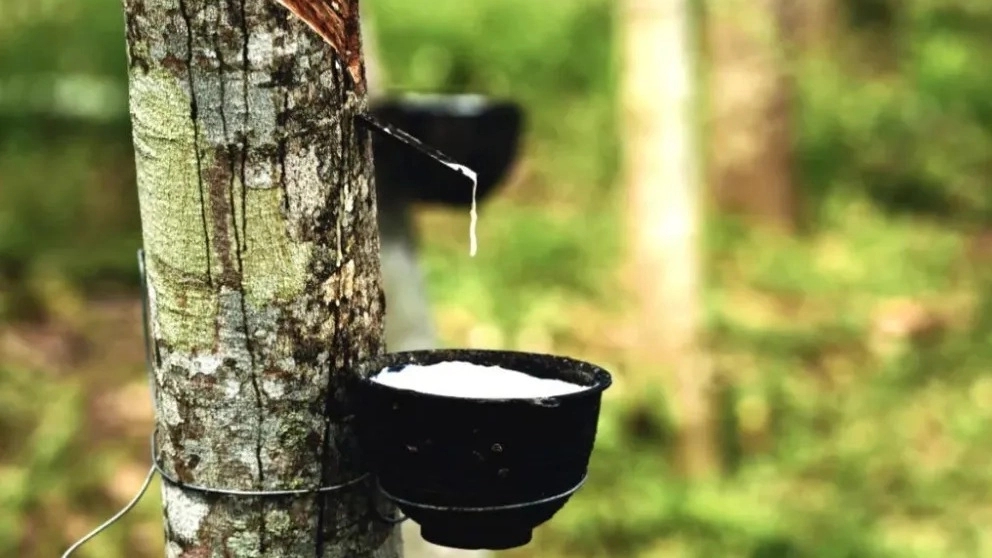
⚫️ Molding Molding Rubber Parts
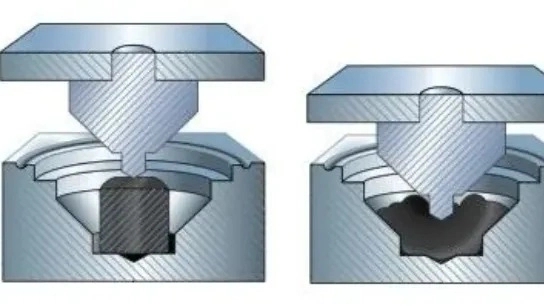
Extrusion involves pushing the tire through a mold, while the molding process involves applying pressure to the tire to create a specific shape. Calendering involves the process of passing rubber through rollers to create thin sheets. After the rubber takes the desired shape, it is processed. Curing involves the process of applying heat and pressure to the rubber to create a permanent bond between the molecules.
This process can take several hours or even days depending on the type of rubber and desired properties. Once the rubber has hardened, it can be finished and packaged for distribution. This stage of production usually involves cutting the tire into its final shape, applying any necessary coatings or treatments, and packaging it for shipping.
⚫️ The process of making rubber parts of the rubber parts
Each type of rubber has its own unique properties, such as heat resistance, chemical resistance or electrical conductivity. Therefore, choosing the right type of tire for your purpose is very important. For example, if you use rubber parts in an industrial environment, you may need to consider factors such as temperature, pressure, and chemical exposure.
In this case, synthetic rubber or silicone rubber may be the best choice due to its high thermal and chemical resistance. Conversely, if you use rubber parts around the house, natural rubber may be sufficient.
Because of its flexibility, rubber is ideal for shock absorption in equipment that moves a lot or produces significant vibration or noise.