


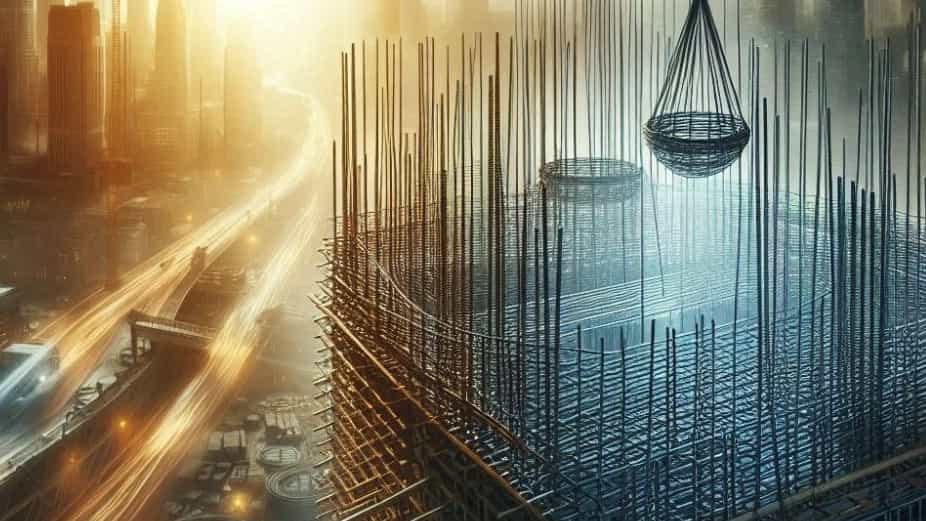

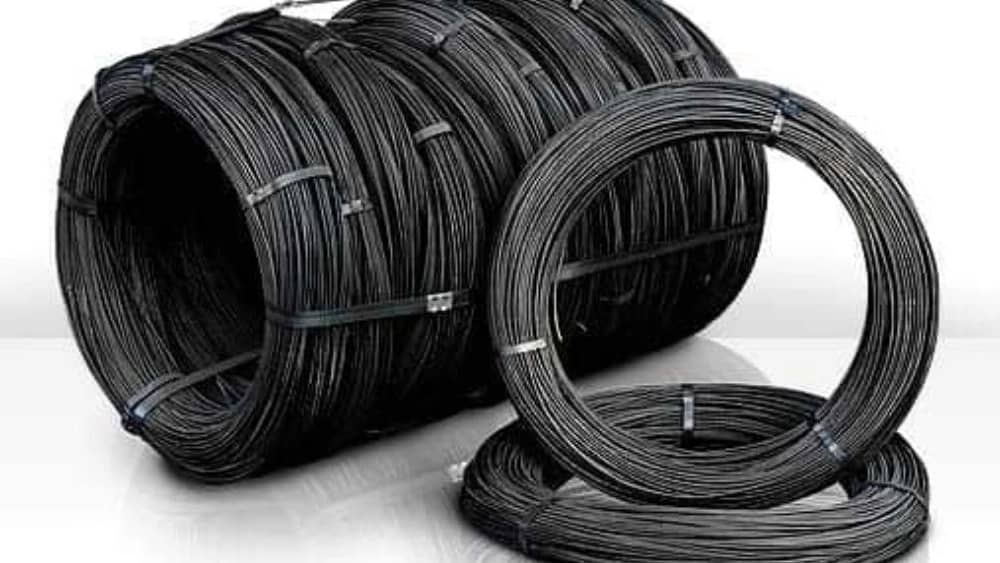
Reinforcing wire or molding wire is a type of steel wire that has undergone heat treatment and has reached high flexibility; Due to the heat treatment of this section, this wire has high tensile strength in addition to high flexibility, which ultimately makes it a favorable option for joining and strengthening rebars in the reinforcement process. In addition, reinforcement wires are also used to shape all types of foundations and columns. Since the reinforcing wire is considered a baked wire product and has a dark appearance, it is also known as "black wire"; Since this cross-section is generally used in the process of reinforcing and molding construction, it is also known as reinforcing wire or molding wire.
What are the features of reinforced wire (formatting wire)?
In the previous section, we considered two of the most prominent technical features of types of reinforcing wire, i.e. high flexibility and optimal tensile strength. The features of this product determine its exact applications and are therefore very important. For example, the flexibility of these sections makes some of them to be used in the reinforcement process and the other for carpentry processes. Considering that the reinforcement bars are exposed to a lot of stress in some situations, If the reinforcing wires are not responsive to such tension, they will be damaged quickly and will not ensure the safety of the structure. After flexibility, the second feature of these products is high tensile strength. In the continuation of this discussion, it is necessary to point out that in some cases, stainless steel alloys are used to produce this category of wires; This action causes some anti-rust characteristics in the reinforcement wire and makes it safe against the reactions inside the concrete.
The use of wires
It is interesting to know that the general public does not distinguish between types of wire. But in fact, these sections have slight differences with each other based on the diameter, and these are the characteristics that cause different flexibility and tensile strength in these products and, finally, differentiate their applications. On the other hand, at the time of receiving the price of rebar wire, you should pay attention to the fact that these products have different thicknesses, and this point directly affects their weight; However, manufacturers of reinforcement wire usually offer these products in coils that have different thicknesses but are similar in weight and only differ in length.
Types of Wire Reinforcement
Reinforcing wire
This category of wire has a thickness of about 1.2 to 1.5 mm and is used in the process of reinforcing; The coils of this category of wires in a unified form weigh about 30 kg, and if needed, they must be cut with special tools and scissors. It should also be said that the weight of this section is important in various ways; First, it is a part of the total weight of the structure, and secondly, it is the final criterion for determining the price of reinforcing wire. For use in the galvanization process and the production of anti-oxidation wires, 1.2 mm samples are usually used.
Forming wire
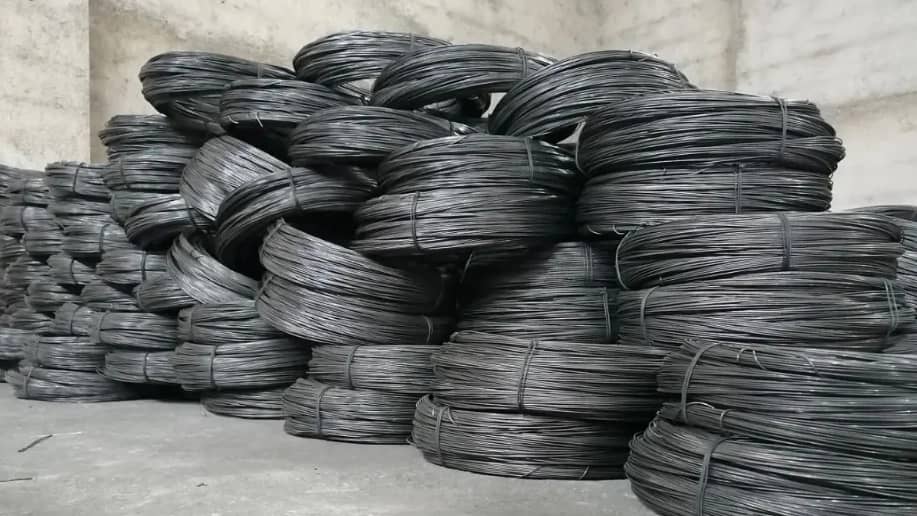
Forming wires are 2.5 mm thick and in foundation molding, Columns and beams are used. This category of products are available in 30 kg rolls like the previous ones, but in terms of length, they are shorter than the previous ones. It should be noted that the price of molding wire is higher than the wire for reinforcement due to its weight. Wire sections are thicker. This category of products, which are actually light rebars, are used in the foundation, meshing and strengthening of other parts of concrete structures; It should be noted that the total weight of their coil is usually 50 kg.
What is the difference between formatting with reinforcement wire
The main difference between molding and reinforcing wire is in the construction and strengthening of concrete and building structures. Formwork is related to a stage of construction in which multiple forms are used to hold concrete in a certain place. These molds act as a framework for pouring concrete and creating the final shape of the structure. On the other hand, reinforcing wire is related to the stage of creating the structure and strengthening it. In this stage, reinforcement nets or wires are used to strengthen the concrete and increase the resistance of the structure against pressure and tension.
The formwork actually includes the initial stage of the construction of the structure and is usually removed from the structure after pouring the concrete. will be On the other hand, reinforcing wire is used as an important step of strengthening the structure in concrete and reinforced concrete buildings. These nets or reinforcement wires are placed inside the concrete and strengthen the structural material from the inside. In other words, molding helps to make the external shape of the structure, while the reinforcing wire deals with internal strengthening and increasing the strength of the structure. These two stages are very important in the establishment and creation of concrete structures and they require precise and coordinated planning.
What are the benefits of using reinforcement wire
Increasing the strength and strength of the structure: Reinforcing wires increase the strength and strength of the structures. They act as a metal mesh within the concrete or mortar, adding compressive, tensile, and flexural strength to the structure. This increase in resistance allows the structures to deal with external forces such as earthquakes, wind, and other loads.
Increasing the stability and useful life of the structure: By using reinforcing wire, the structures They will be more stable and their useful life will increase. Reinforcement wires help to prevent cracks, breaks and unwanted deformations in the structure.
Reducing the need for maintenance and repairs: Structures using reinforcement wires generally require They have less maintenance. This means reducing operating costs and increasing the useful life of the structure.
Flexibility in the design of the structure: Reinforcing wires provide the possibility of designing different types of structures. Designers and engineers can use these wires to create structures with various shapes and dimensions.
The importance of using reinforcement wire
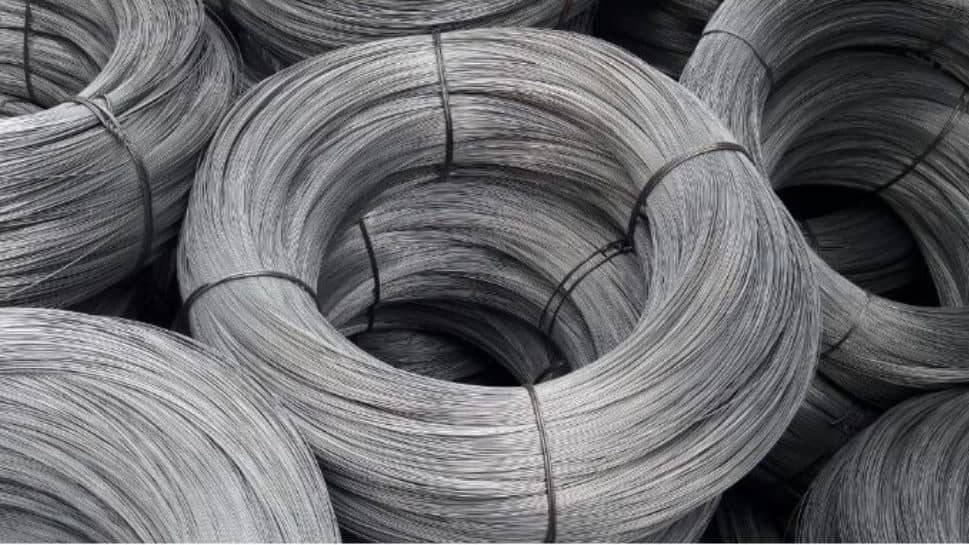
The use of reinforcing wire in civil and building constructions is essential and vital. This type of filament metal, which is placed in the form of a texture and internal skeleton in concrete or construction mortars, is very important. By creating a special structure, these wires strengthen structures and buildings, withstand external pressures, and strengthen building materials. One of the most important roles of reinforcing wire is to provide strength and resistance against external forces that may affect buildings. As a result, the use of reinforcing wire strongly affects the safety, strength and resistance of buildings and is used comprehensively and widely in the civil and construction industries.
Factors affecting the price of reinforcement wire
The price of reinforcing wire is affected by several factors that affect the cost and final cost of structures and buildings. These factors include the rate of production and supply of raw materials required for the production of reinforcing wire, the price of metal variables such as the price of steel, iron, and copper, the costs of transferring and transporting materials, the cost of production and production processes, the cost of warehouse maintenance and material management, and labor costs. human, and economic inflation rate. Also, environmental and climatic factors such as weather and climate conditions, commercial and economic processes in countries, and changes in demand for reinforcing wire are also influential. In general, changes in these factors can lead to an increase or decrease in the prices of reinforcing wire and affect many decisions in the civil and construction industry.