
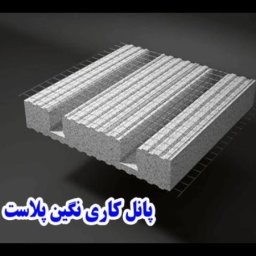

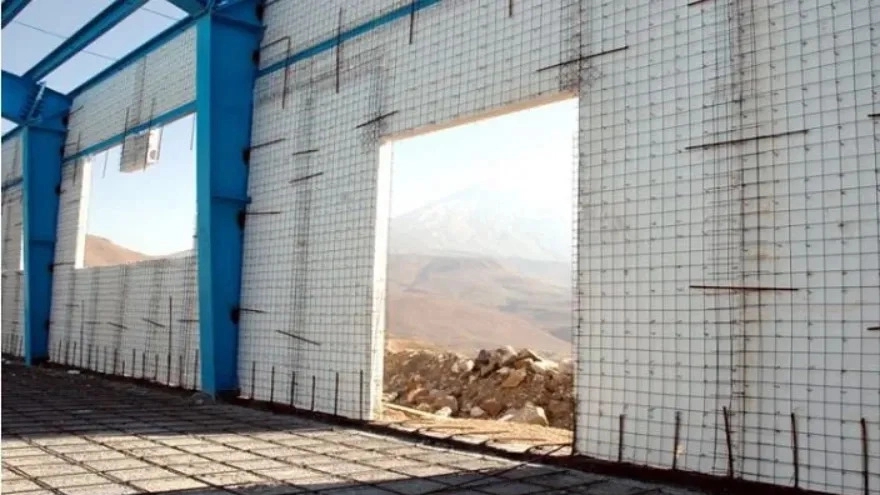
Sandwich panel is a product that is used to cover the walls and roof of buildings. Each plate consists of a core of heat insulating material covered on both sides with metal sheet. Sandwich panels are not building materials, but they are a type of curtain-like covering, and structural forces are applied to the steel frame or other supporting frame to which the sandwich panel is attached.
Types of sandwich panels in general They are classified based on the thermal insulation material used as the core. Sandwich panels with EPS (expanded polystyrene), mineral wool and polyurethane (PIR or polyisocyanurate) cores are all readily available. These materials mainly differ in thermal insulation performance, sound insulation performance, reaction to fire and weight.
Why use sandwich panel?
Sandwich panels are widely accepted due to many advantages mainly related to cost. A comparison of frame or stud partition technology (frames covered with sandwich panels) and traditional building technologies shows the advantages of sandwich panels in three main areas:
1. Direct costs
Construction of a building in both technologies requires similar levels of capital. The comparison in this field includes the costs of building materials, labor and transportation.
2. Construction time
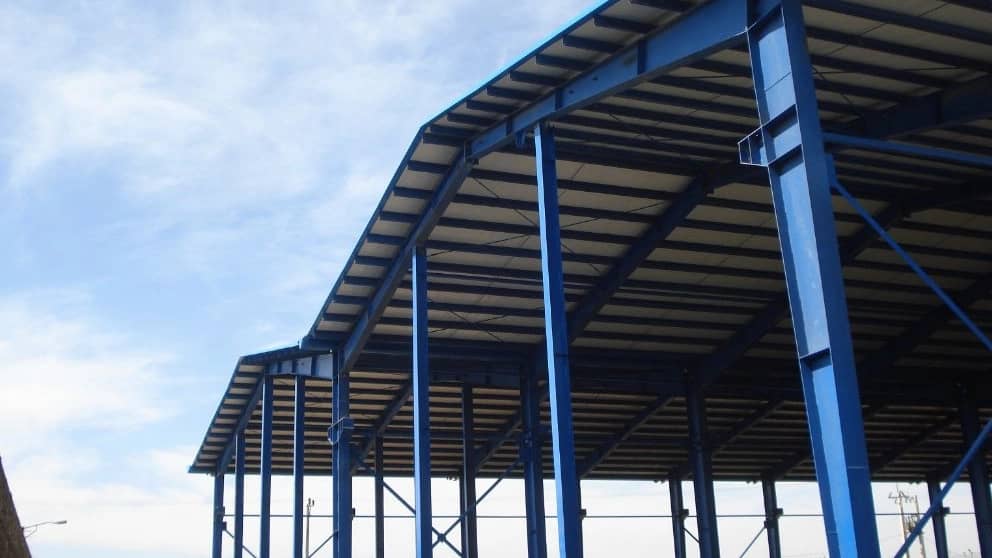
The construction of a building based on the construction process A traditional instrument may take 6 to 7 months. It takes only 1 month to build a building of the same volume using stud partitions. Build time is very important. The sooner the production building or warehouse is put into operation, the faster the return on investment is achieved. Studded partition buildings are actually assembled. Finished structural parts and cladding components arrive on site and are then assembled like a house of toy bricks. Another positive point is that there is no need to wait for the excess moisture loss of the building shell.
3. Construction Processes
In some industry sectors, construction requirements can be critical to a construction project. The construction of stud partitions is a dry process and does not require water for building materials. A dry process requires only the assembly of the structure and cladding (here, sandwich panels) with screws. Traditional construction uses "wet processes" to make mortar for brickwork, concrete for casting, or plaster to provide a significant amount of It needs water. It should be noted that some industries, such as wood processing or pharmaceuticals, require constant and controlled relative humidity levels, which prevents wet manufacturing processes.