
⚫️ Widespread application of building adhesives
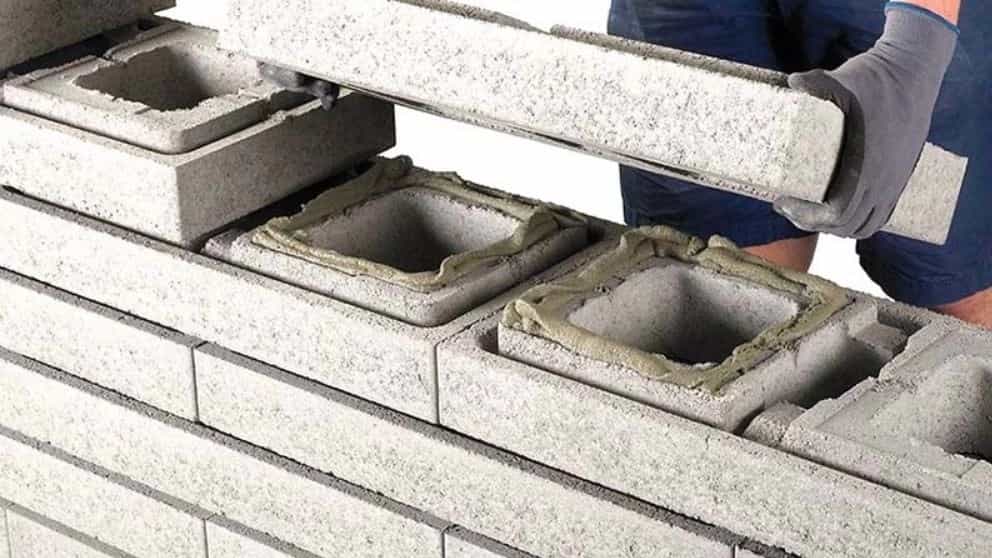
Many construction materials such as concrete, flooring, wall coverings, wooden panels, PVC, etc. are used with glue to create sufficient strength and in some cases easy and even cleaner installation. The many advantages of construction adhesives have led to their increasing popularity and use in construction.
Currently, the construction industry is considered one of the largest customers of adhesive manufacturing companies, because construction adhesives are not only used in carpentry stages such as flooring, wall covering, etc., but also have the ability to connect large surfaces and thick joints.
Some construction adhesives have excellent electrical conductivity properties while others have significant thermal resistance properties, making adhesives one of the most versatile assembly products on a construction site.
⚫️ Types of building adhesives
⚫️ The benefits of using building adhesives
1- Reduction of local stress: Usually, most connection methods lead to uneven distribution of force and stress. The use of glue on the surfaces that need to be connected causes the force to be evenly distributed throughout the surfaces, and as a result, the amount of local stress is reduced. Compared to other assembly techniques, adhesives also perform well in terms of fatigue resistance. 2- Corrosion resistance: metal parts such as screws and nails are subject to corrosion over time. On the other hand, due to their unique chemical properties, adhesives can have good resistance against hostile environmental conditions, and as a result, the useful life of such parts increases if they are connected by glue. 3- Bonding of non-homogeneous materials: while some bonding methods can create strong bonds, but compared to construction adhesives, in cases such as bonding non-homogeneous materials, such as connecting concrete and metal, they do not have an acceptable performance. Adhesives can easily bond metal to plastic, glass to wood, and even ceramics. 4- Ease of disassembling parts: parts that are connected to each other by glue can be easily separated from each other if needed. Removing nails and screws can compromise the structural integrity of a building, especially when additional stress is applied to highly sensitive joints. However, in the case of connection through glue, with simple methods it is possible to completely safely separate the glued surfaces without any damage. 5- Uniformity and proper appearance: Bonded surfaces are generally more suitable in terms of aesthetics compared to other bonding methods. Unlike rivets, adhesives do not leave external ridges and gaps. 6- Durability and longevity: Adhesives are known for durability and longevity. With so many products available in the market, it is easy to choose the most suitable product for different types of construction. There are adhesives designed for light construction work, while others are better suited for bonding surfaces that distribute heavy loads and stresses. 7- Wide application: As mentioned at the beginning of the article, there are different adhesives depending on the need and type of application. This wide variety gives contractors the freedom and flexibility to select adhesives that best suit the nature of their projects.