


One of the most important parts of the mouth that may not receive much attention is the gums. Many people think that the gums are just a pink tissue to protect the teeth and do not need special care. But you should know that the gum is not only a protective tissue and not taking care of it can cause gum diseases and infection. A gum infection is usually painful and can be just as annoying as a toothache. For this reason, it is better to do something to protect the gums before they become infected.
How is the tooth become infectious?
When bacteria enters the tooth through a chip, crack or cavity, it infects the tooth. If a series of cases are not followed, the risk factor of tooth infection increases. Things like poor dental hygiene including not brushing twice a day and not flossing, a high sugar diet including eating sweets and drinking soft drinks, dry mouth which is often caused by aging or as a side effect of some medications. causes a tooth infection. It is better to observe the symptoms of tooth abscess, which include severe tooth pain continuously and pulsating to the jaw bone, neck and ear, sensitivity to extreme heat and cold, sensitivity to pressure, Chewing or biting, fever, swelling of the face or cheek, soft and swollen lymph nodes under the jaw or neck, leakage of foul-smelling and foul-tasting liquid in case of rupture of an abscess in the mouth, difficulty breathing and swallowing, go to a dentist as soon as possible.
How is the root cause of the infectious tooth?
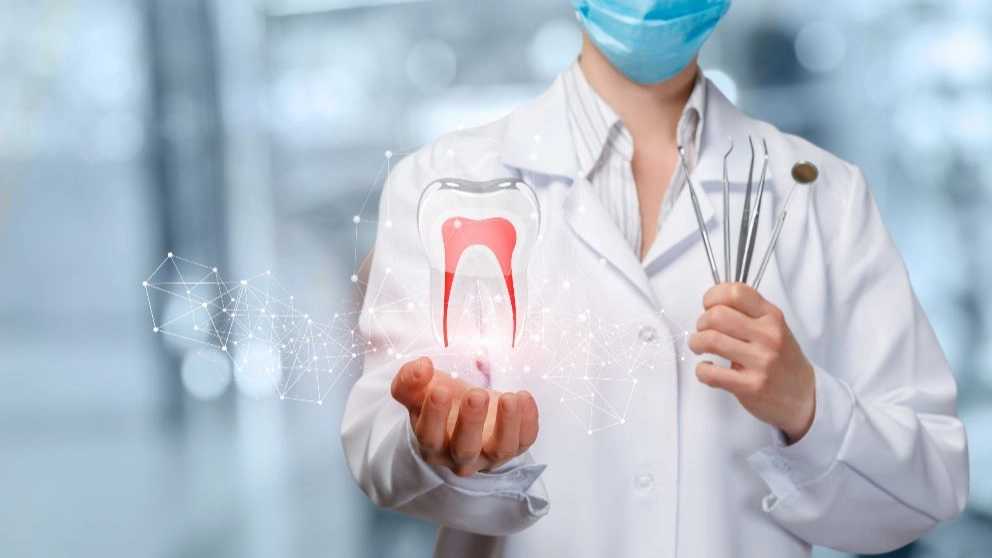
Root canal surgery is also a common procedure used to remove infection and treat teeth. To do this, the dentist will dig into your tooth, remove the central tissue of the diseased tooth, i.e. the pulp, and drain the abscess. Then it fills and seals the tooth pulp chamber and root canals. The tooth may need a crown to strengthen it. Especially if it is a back tooth that needs more strength. If you take proper care of your restored tooth, you can have it for the rest of your life and your tooth will never get damaged or infected again. Of course, even in cases where there is no way to save the damaged tooth. Well, the dentist will pull your tooth and drain the abscess to get rid of the infection. After that, he will probably prescribe antibiotics. If the infection is limited to the site of the abscess, antibiotics may not be needed. But if the infection has spread to your surrounding teeth, jaw, or other areas, your dentist will likely prescribe an antibiotic to prevent it from spreading further. If you have a weakened immune system, he may also recommend antibiotics. In addition, your dentist may recommend a series of other steps to help reduce tooth pain and discomfort. For example, rinse your mouth with warm salt water and use over-the-counter pain relievers such as acetaminophen and ibuprofen if needed.
Post -surgical care residue in the gum
After the extraction, it is essential to be aware of the dos and don'ts of your tooth recovery. The dentist will give you detailed instructions on how to take care of your oral health after surgery. You need to give your body time to fully recover. Do not do any heavy movements or movements that cause your head to shake or move forcibly. Stick to eating cold and soft foods for a few days.
You can gradually eat warm and solid foods as your teeth heal. Do not irritate the tooth extraction site and let the healing process take place over time. Do not smoke for at least 48 hours after extraction. The chemicals in cigarettes prevent clotting and proper repair. After 24 hours after the procedure, you can rinse your mouth with warm salt water. Use half a teaspoon of salt in a cup of water. Usually, most of the swelling and bleeding will go away within a day or two after surgery, and the initial recovery will take at least two weeks.
As we said, your doctor will definitely give you detailed instructions on what to do. And what to expect after surgery, it gives you. If you have any questions, be sure to ask the doctor before you leave the dental office. Do not forget that you have undergone dental surgery.
The patient should expect some discomfort even after a simple extraction. Discomforts that are usually mild and resolve quickly. Research has shown that the use of non-steroidal anti-inflammatory drugs can greatly reduce pain after tooth extraction. These drugs include ibuprofen and other pain relievers. Take the dosage prescribed by the doctor 3 to 4 times a day. Take the first pills before the local anesthesia wears off. Continue taking them for three days and ask your doctor for complete instructions.