
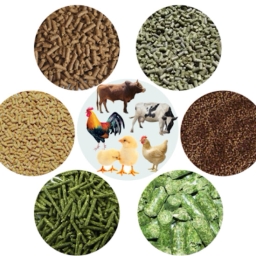

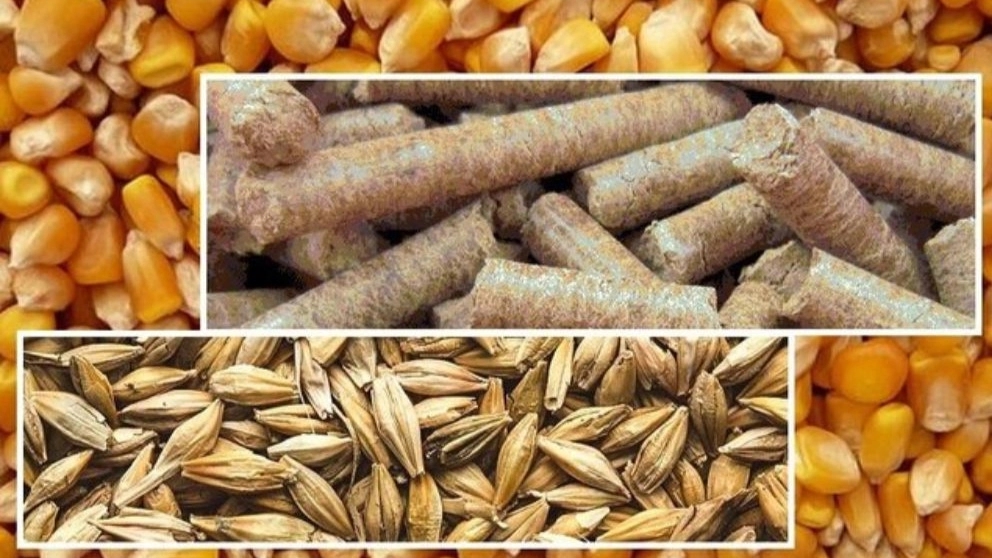
Fodder seeds are dense foods that contain little cellulose and, on the contrary, contain a large amount of hydrocarbon (starch) materials and are used for feeding livestock and poultry.
Fodder seeds are dense foods (concentrate) which have low amount of cellulose and on the contrary they contain a lot of hydrocarbon materials (starch). Cereal seeds are relatively poor in terms of nitrogen and calcium, but they are rich in phosphoric acid and potash and because with consumption Making dense foods does not meet the nutritional needs of livestock due to the lack of nitrogenous substances, so in the case of herbivores, dark legumes should be used, and in the case of poultry, food of animal origin should be used. And in general, in order to establish the physiological balance of food, the ration should be a mixture of seeds and dark legumes.
Dark seeds of cereals are the best dense foods that are used to feed all types of livestock, apart from the many nutrients that have the ability Their digestion is also very high.
These seeds, which are very tasty for livestock, have a good effect on the health and quality of their products (milk, meat, eggs, etc.) provided that they are given in certain and proportional quantities.
In addition, the advantage of meeting the seeds is the ease of their preparation and storage, in addition, because they can be easily recognized, therefore, the existence of frauds in them can be easily discovered.
Specifications
1- The healthiness of the seed
Healthy seeds have a special polish, no special smell and have a pleasant taste, and a dark color and a cloudy appearance or an unpleasant smell are signs of the spoilage of the seeds. or it is during storage. 2- The dryness of the seeds. Well-dried seeds are easy to graze in the hand, and when they fall on a hard surface, they make a loud sound. and metal is produced from it, the better the seeds are dried, the easier their storage is. Has peanuts, broken seeds or harmful fodder seeds.
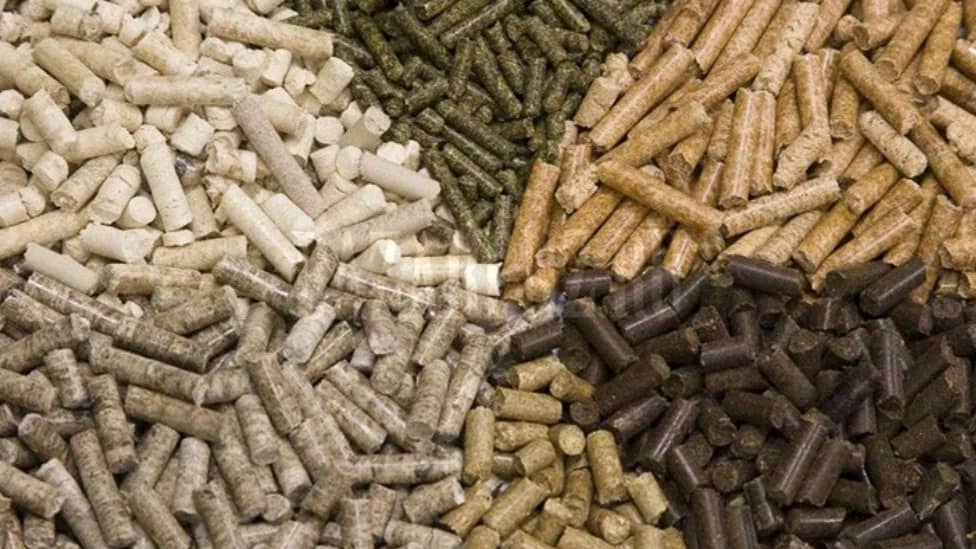
Grain
1- Wheat grain
This grain is usually cultivated for human nutrition and its price is more expensive than other grains. With this definition, it is sometimes used in feeding livestock, especially poultry. Wheats that have small grains are always used by livestock. Wheat is generally a very good food for dairy cows, as well as for working cattle and livestock. Wheat is especially good food for poultry because it has good effects on egg laying. The grain of wheat is oval in shape and its two ends are round, and its outer surface is convex and has a deep longitudinal groove. It is more than oats because the wheat grain is not chewed completely and often a number of grains are removed without being consumed without being affected by the digestive juices, so it is better to crush the wheat grain or eat it cooked as bread.
Wheat germ contains a sufficient amount of nitrogen, it is a good food especially for poultry.
Usually, wheat is also included in horse rations.
2- Oats >
Oat grain is very nutritious in terms of digestion and without causing obesity, it is effective in sexual activities and gives animals movement and proper temperature. It is because of these properties that oat grain is one of the premium foods for livestock, especially horses.
It is also suitable for growing young livestock, silmi male livestock, and female livestock that are breastfeeding their young. And finally, oat seeds are also recommended for milking cows because this seed increases the quality and secretion of milk. The shape of oat seeds is long and pointed, there is a longitudinal gap on its inner surface. Its seed color may be white, black, gray or red, but this color difference has no effect on the nutritional value of the seed.
3- Barley seed
If oat seed is distributed in a large amount among the animals, due to its stimulating properties, it will have harmful effects on the animal's body, but this grain is usually mixed with grain. Barley is mixed and widely used in the feeding of different animals. Compared to oat grain, barley grain is much poorer in terms of cellulose, fat and protein content, but it contains a higher amount of starch. Barley is a food that is easily digested and absorbed, and it is a very suitable food for cattle. By eating barley, the animal gets good quality meat, and in addition, the milk and butter obtained from it will be of a very good quality. They are considered to be the best type with fine grain, but usually, barley grain has spines that sometimes cause discomfort to livestock, and it is necessary to separate this spine from the grain with tools. 4- Corn grain b
If corn grain, which is weak in terms of cellulose, is mixed with oat grain, it contains a large amount (4%) of fat, and due to its high digestibility and high sugar content, it is a very energetic food for livestock. Not only due to the lack of protein materials, but also due to the lack of essential amino acid (tryptophan), it is not very significant in terms of the amount of nitrogen.
Corn seeds should not be consumed in large quantities in feeding livestock because it causes the production of soft and oily fats and Meat becomes fatty and it is better to mix it with barley and use it. Also, corn causes heartache and harms the quality of milk used for cheese making. They do not recommend corn especially for animals that are raised only for maintenance, especially for young animals and also for lactating females, because it causes obesity and sterility.
They do not recommend corn for horses either, only if forced to A quarter of its dense ration can be made from corn instead of oats. If they are going to feed the livestock with corn, they should get used to eating it gradually.
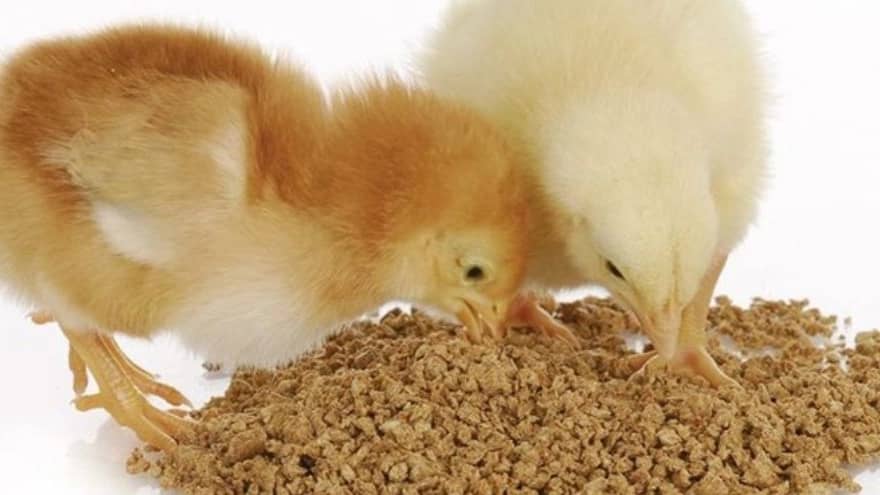
5- Rye grain
The nutritional composition of rye is almost similar to that of barley, rye is one of the grains that is used for baking, but it is used in feeding livestock, especially cattle, and with satisfactory results. Consumption occurs. In addition, rye can be used to feed working animals.
If rye is fed in large quantities, due to its warming properties and especially because it swells greatly in the animal's stomach, it causes digestive disorders, especially in horses.
6- Corn on the cob
This plant is more specific to tropical areas and has different species that can be distinguished by the color of the seed and the place of its production. such as white corn, red corn, red corn, orange corn, black corn, and sugar corn. The seeds of all its different species are covered with a hard cellulose coating, and due to the small size of the seeds, most of them are not used in the digestive tract. it passes through and is excreted, and for this reason, the seeds must be crushed or the shell removed before consumption.
Furthermore, due to the smallness of the seeds, animals, especially dairy cows, cannot chew them well, therefore, without changing the shape, they pass through the intestines with feces. The animal is taken out, but because the sheep chews the small seeds better, the value of corn on the cob is high in raising sheep.
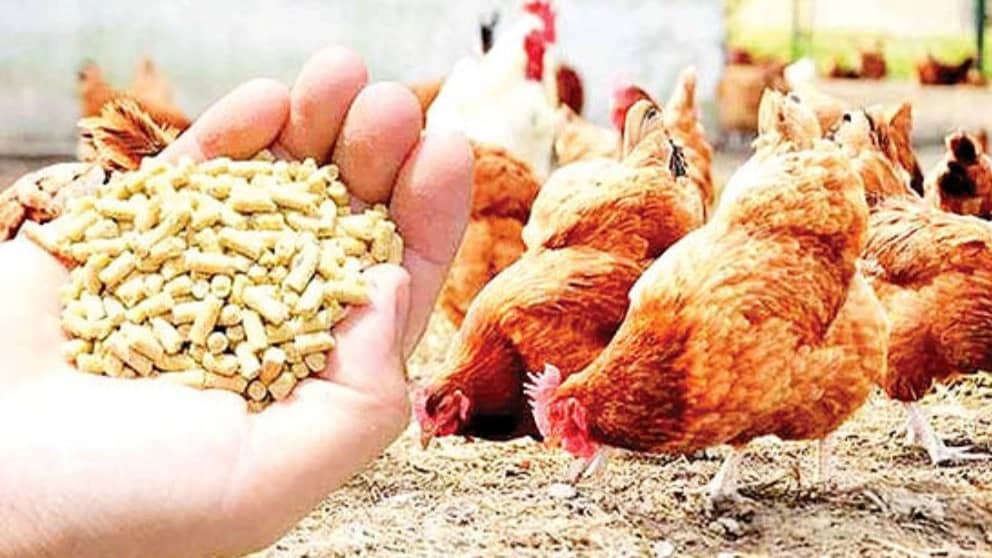
Grain
1- Beans
Bean seeds contain a lot of nitrogenous substances and for this reason it has a great value in terms of nutrition. Beans, like other legumes, contain a lot of phosphorus and calcium. Beans are given to horses that do hard work, such as race horses, and because it has stimulating properties, they are fed to male animals for mating and also to female animals to facilitate the state of estrus. It is better to pound it in half and soak it in water for a few hours before consumption so that it softens and makes chewing easier. Beans are also fed to lactating animals. Bean flour is usually used for special livestock.
2- Peas
Pea seeds are very similar to beans in terms of chemical composition, nutritional value and digestibility. Pea seeds are usually given to Corsican horses. This seed is usually consumed in half-pounded, soaked or flour form.
3- Lentil seed
Due to the high price, lentil seed is cultivated only for human consumption. . The nitrogen content of lentil seeds is higher than that of peas, and lentil straw is a good feed for livestock.