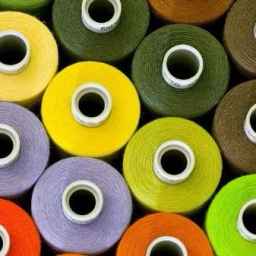

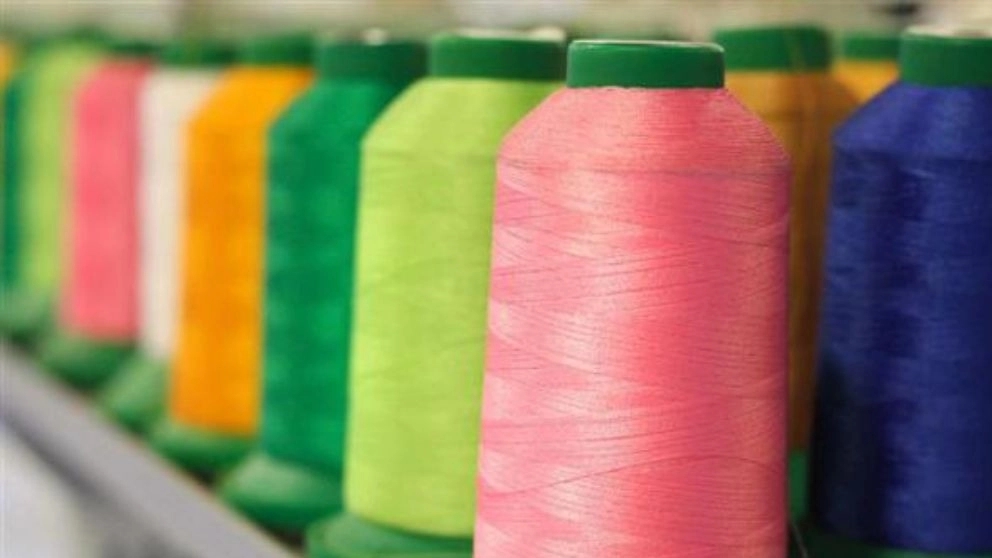
Different fibers and threads are used to produce different fabrics in the textile industry. One of the most widely used fibers and threads is polyester thread. This yarn is used in two different ways, i.e. pure use or combined use with two or more other fibers to produce and prepare fabric or other textiles.
Types of polyester yarn
Polyester yarns are classified according to their function and application. According to this issue, in general, this thread can be divided into 6 different categories, which we will examine in the following.
DTY threads: DYT thread, which is known as single-threaded thread. And in Iran, it is also called as terroira thread, it is a type of polyester thread. DTY yarns are widely used yarns and have many and varied applications, especially in the textile industry. These threads have different properties such as softness and high softness and volume. DTY yarns are produced through several steps and under factors such as very high heat.
ATY yarns: ATY yarns are another type of polyester yarns, which are also known as air-textured yarns. This eventually causes the yarn to tangle, making it look like natural yarn. Air Tekshere yarns also have many and different uses in the preparation of various textiles such as blanket yarn and weft, rug and carpet weft. One of the most important features of these polyester threads is their low moisture absorption and light weight.
POY threads: One of the types of polyester thread that has special and important features, this is POY thread. This thread is created by melting polyester chips. One of the important features of this yarn is its remarkable thermal properties, high flexibility, and its suitable hanging properties.
FDY yarns: These polyester yarns are the result of the contraction of POY yarns. This shrinkage makes these threads to be used in various industries such as the textile industry and various textile products such as curtains, rugs, blankets, carpets...
Staple yarns: Another type of polyester yarn is staple yarns. These threads are cut filament fibers that are produced in a rotary system. These fibers are finally packed and delivered to the textile factory in the form of bales.
Intermingle yarns: Intermingle yarns are in the category of this model and are produced from DTY yarns. These threads are welded at specified intervals in DTY threads. These threads have important features such as softness and volume. By passing through the texturing stage, these threads become similar to threads made from natural fibers. This makes the resulting fiber very strong and durable and is used in the production of various textiles such as clothes, clothes, rugs, etc.
Features of polyester thread
This thread has many and many features and therefore it can be used instead of cotton to produce various textiles. Being hypoallergenic and suitable for any type of skin, high strength, resistance and durability, remarkable softness and softness, no smell, no moisture absorption, etc. are among the features that are very important and help in preparing high quality fabrics
Also, among the important physical properties of polyester yarn, we can mention the resistance to wrinkling, the appropriate elasticity of polyester yarn and fibers, the appropriate shape of microscopic fibers, etc. This fabric shows high and suitable resistance against various chemical properties such as the effect of acidic substances, diluted alkaline substances, various biological factors and oxidizing substances such as soaps and consumables.
Uses and applications of polyester thread
As mentioned, this thread has various features that expand the uses of this thread. This thread is used in the production of many different fabrics and textiles. Textiles such as:
carpets
Types of carpets
Car floor coverings
Sleeping goods such as mattresses
Pillow
Doll making industry
Production of various fabrics
Production of comfortable sofa
Different filters
Different clothes and clothes
Production of all kinds of scotches
Rombli
How to wash and maintain textiles made from polyester yarn
Polyester yarn can be washed using a washing machine or with Thumbs up and it won't cause any problems. But it should be noted that strong and hot detergents should not be used to wash these fibers, because these fibers do not have good resistance against strong and hot alkaline substances and are damaged.