
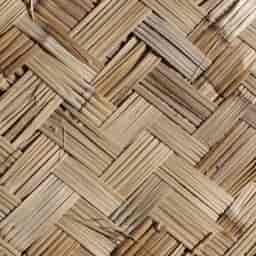

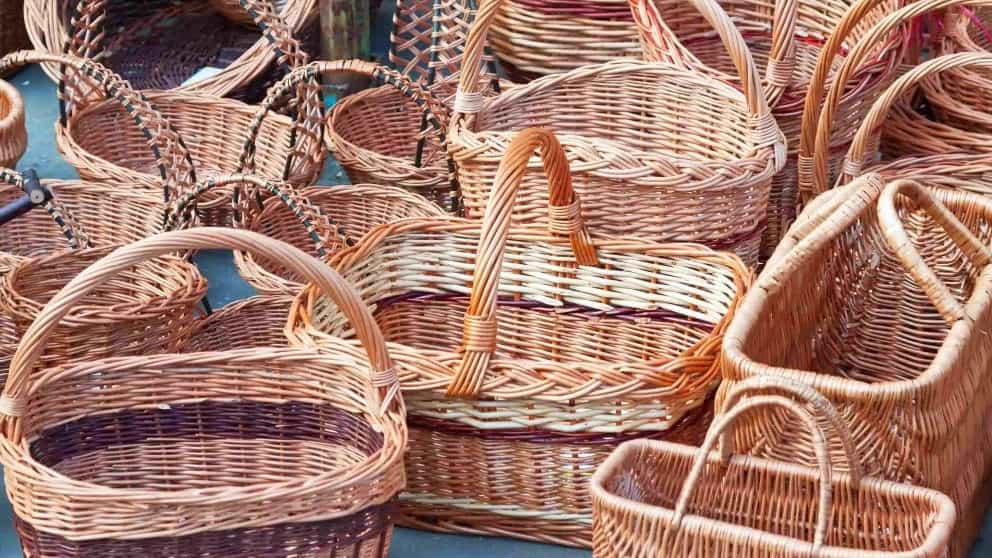

Mat weaving means the weaving of threads obtained from plant fibers with the help of hands or using simple hand tools, which leads to the manufacture of various products such as mats, mat tablecloths, baskets, dishes, etc. to be
What is the art of mattress?
Boria weaving or Boria weaving is one of the oldest handicrafts and perhaps the oldest among them. The examples found in Mesopotamia and Africa prove that mat weaving and basket weaving are not only textiles, but also pottery and pottery, and there are documents that show that the first human mats were made of reeds and plants that grew in the swamp. The pottery of Mesopotamia is grown and prepared and the first shelters were created after living in caves with the help of mats and reeds.
Mat weaving in many countries of the world, especially those countries that rely on raw materials. The requirements of this field have access, it has been common. Burma, Hong Kong, India, Indonesia, Japan, the Republic of Korea, Malaysia, Pakistan, Sri Lanka, Thailand, Mexico, Cameroon, Chad, Ethiopia and Senegal are among the most important countries producing rattan products.
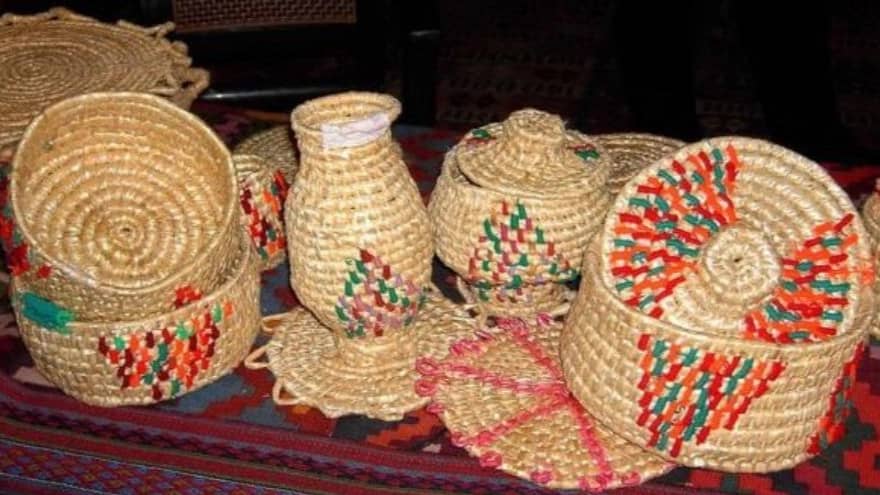
Mat weaving in Iran also has a long history. The thriving industry of mat and straw weaving in Sistan was so extensive that its products were sent to all parts of Iran. Today, in different regions of our country, especially the northern and southern regions, wherever it is possible to access palm leaves, wheat stalks, reeds, and straw, signs of mats and basket weaving can be found. Today, this product is common in the provinces of Sistan and Baluchistan, Khuzestan, Kurdistan, Hormozgan, Bushehr, Kerman, Yazd, Fars, Mazandaran, Gilan and Tehran. We also see the prevalence of basket weaving in Khuzestan, Khorasan and East Azerbaijan, and pearl weaving and cham weaving in Gilan.
Improvement supplies
The raw materials used by mat weavers in different parts of Iran are different according to the diversity of the country's geographical environment and mostly include:
palm tree leaves (pre), male wild date tree leaves (Perg), female wild date palm leaves (Daz), swamp reed stems of tropical areas of Khuzestan, swamp reed stems of cold regions around Zarivar lake near Marivan city, swamp reed stems of Anzali marshes (Li or Ligh), stems of wheat in Zanjan and Azarbaijan provinces, car reed stems around the rivers of Fars (Mor) province, swamp reed stems around Hamon Lake near Zabul, willow leaves in Tehran and Mazandaran provinces and Maragheh villages and reed stems around Water streams (garden reeds).
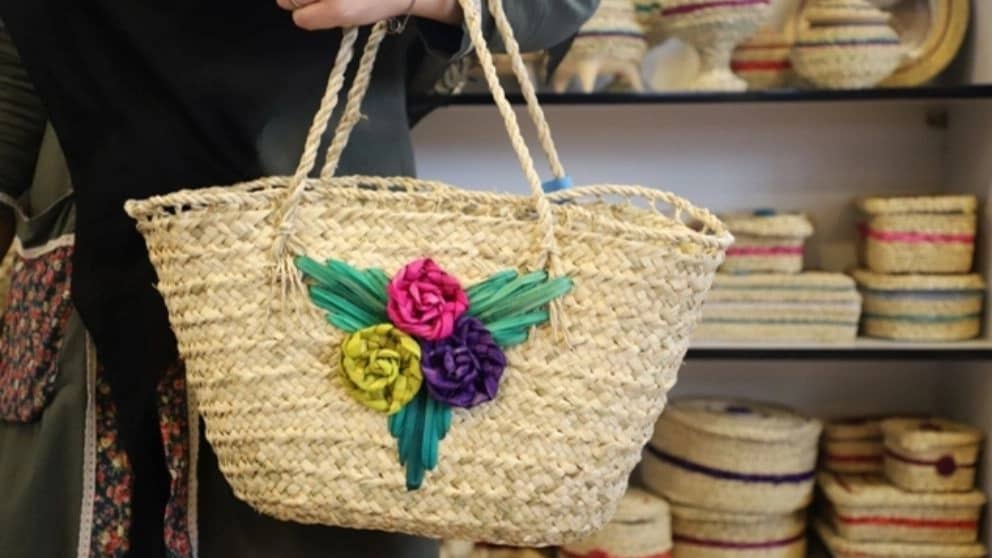
Weaving tools
The tools and equipment used in mat weaving are very limited and do not exceed a number of simple and basic tools such as scythes, knives, files, laths, scissors, needles, etc.
These tools, which are mainly used for Cutting plants and trimming them is used to prepare raw materials, and sometimes during production as an auxiliary tool, it facilitates construction. And it is the taste of those involved.