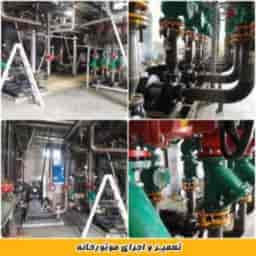


☑️ Tips on Motor House Repair and Service
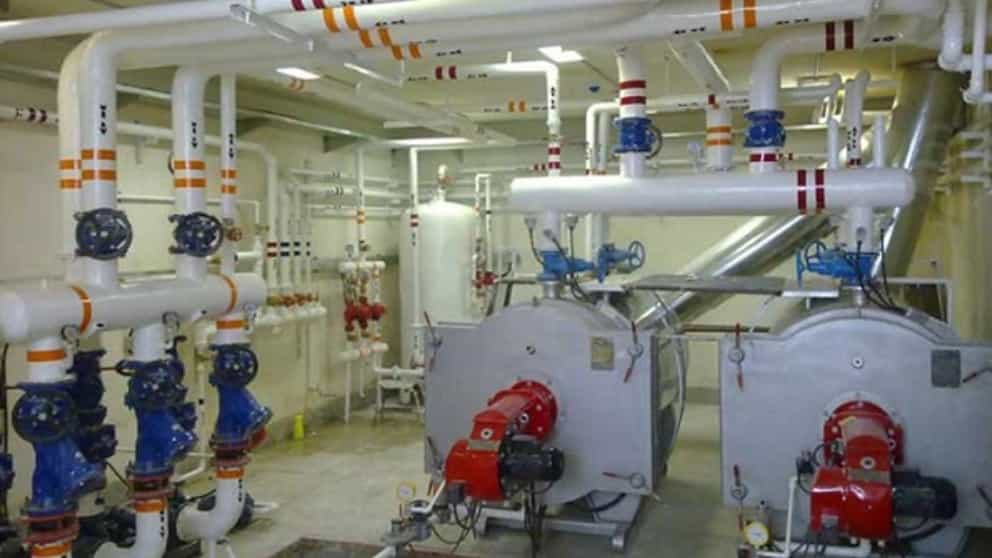
With the increase in massification, it is important to provide heating for the complex and building towers. It will definitely be easier for the residents to install the package and water heater. But if separate piping is considered for each unit in the tower or residential complexes, a lot of space should be allocated for piping. For this reason, they have started to install and repair the engine room of the heater. The engine room is actually the control center of the mechanical facilities of the entire building. Any troubleshooting, repair and service of the engine house is done only in this place.
What are the most common motor problems?
1- Failure to repair and service the engine room on a continuous and regular basis
2- Dirty filters
3- Wear and tear
4- Electric ignition or pilot control problems
5- Thermostat failure
6- The oven does not heat up at all
7- The oven does not heat up enough
8-Frequent current rotation
9- The blower works continuously
10-The furnace is very noisy
☑️ Troubleshooting
Regulating the temperature of the engine room and insulating the engine room are among the tasks that can be done on time to reduce energy consumption and ensure the comfort of the building's residents. even though engine room troubleshooting is usually more popular at the beginning of cold seasons. As you know, engine room troubleshooting is part of heating system repairs.
☑️ Insulation of the engine house
Work insulation by reducing heat transfer to the surrounding environment causes It saves energy. The cost of insulation varies according to the amount of insulation used and the type of insulation. You can choose the most suitable type of insulation and use professional insulation services in this field by consulting in this area and according to the budget you have in mind.
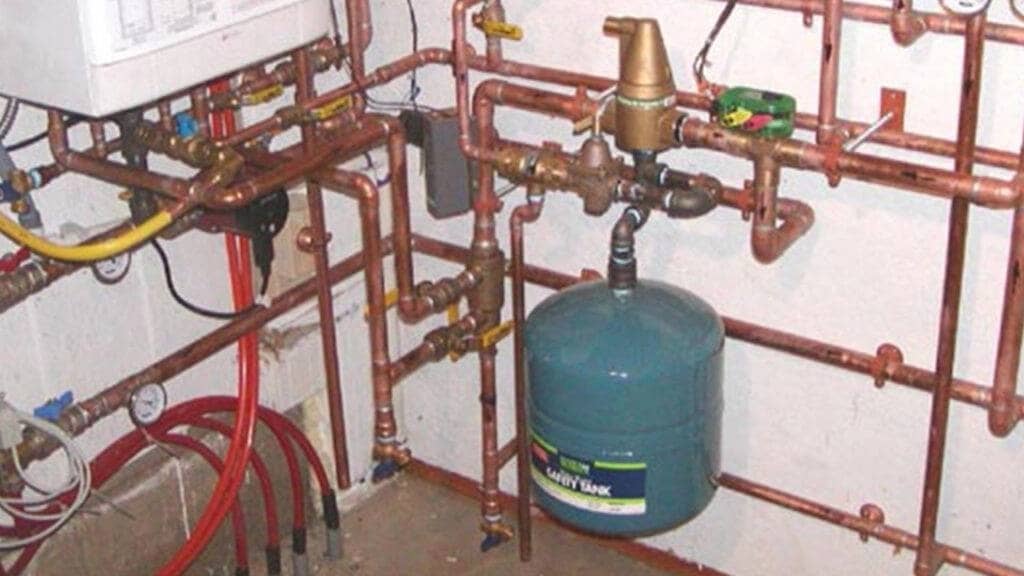
☑️ Signs indicate motor failure:
It is important to be aware of the warning signs that your building's oil or natural gas furnace may need to be replaced. It is very important not to wait until it is too late. A cold and snowy winter night with a broken or shaky heating system is not the time to evaluate and service and maintain your residential building's engine room. Being prepared is very helpful and information is the key to making wise decisions. Below are some "warning signs" that indicate it may be time to replace your engine bay. Of course, they may not all apply to your particular equipment, but you can use them as a general rule of thumb to gauge how much life is left in your engine bay:
Lifespan: 16-20 years: average furnace life
Increase in electricity bill
Engine room repairs: It experiences the most breakdowns during the last two years
The thermostat does not make you comfortable
Hearing strange sounds
☑️ How to calculate the cost of repairing the engine
Three important factors are effective in determining the cost of engine room maintenance:
The area of the engine room and the number of floors of the building
Life of engine room facilities and life of parts
How to service and the amount of repairs done in the past periods
The number of floors and units of a building determines the amount of heating or cooling energy it needs, and as a result, the engine room capacity is designed accordingly. The higher the capacity of the engine room and the more equipment it consists of, the higher the cost of its service. The life of building facilities is another factor that is effective in determining the cost of engine room service. The older the engine room and its facilities are, the more parts of the engine room need to be visited and repaired or replaced if necessary. So it will cost more.
If the previous periodical visit services have not been done by experienced people, there are probably remaining problems that have caused damage to various parts of the engine room system over time, as a result, the cost of subsequent maintenance services will increase. By using the economic services of service and repair of the engine room, by properly maintaining your home equipment, prevent future imposed and unpredictable costs.