

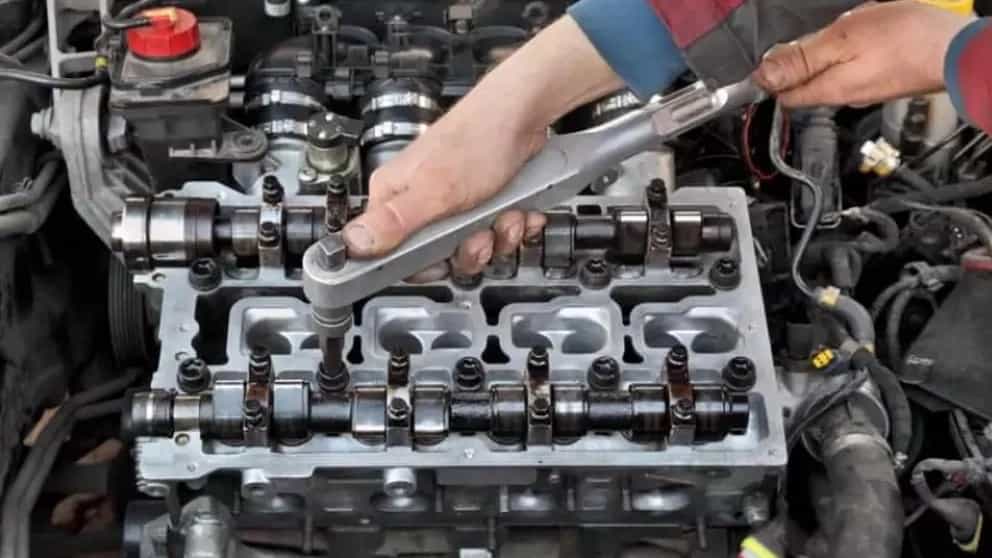
What is a cylinder head and what are the tasks in the car?
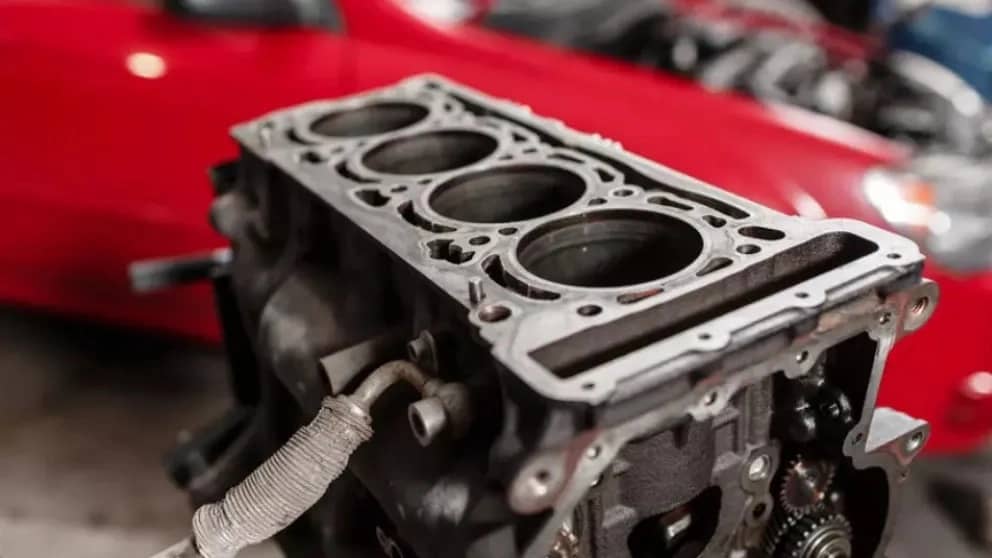
What does the cylinder head do?
We often see a large metal block with a number of holes (cylinders). These images are prepared to describe the layout of the engine. The reality is that a real engine doesn't really leave such an impression. The reason is that a large piece is placed on top of the engine block, which is called the cylinder head.
The cylinder head may not play a direct role in the combustion process, but indirectly it fully supports this process. Imagine if there is no cylinder head for a moment, all the fuel consumed and soot produced by the driving forces will be removed from it. On the other hand, the equipment related to fuel supply (injector) and ignition equipment (spark plug) are installed on the cylinder head.
Also, another important task of the cylinder head is to complete the circulation circuit of water and oil inside the engine block. A current that leads to the cooling and lubrication of its body. A car engine will melt in a few seconds if it does not cool down to a certain temperature with the pistons moving at thousands of revolutions per minute. That is why it is very important for drivers to discover the causes of cylinder head failure.
The golden point in the components of the cylinder head is the position of the valves on it. The rods that are placed on the cylinder head draw the timing of gas injection and exhaust with their spring mode. This is the reason why there are camshafts and valves in the structure of cylinder heads.
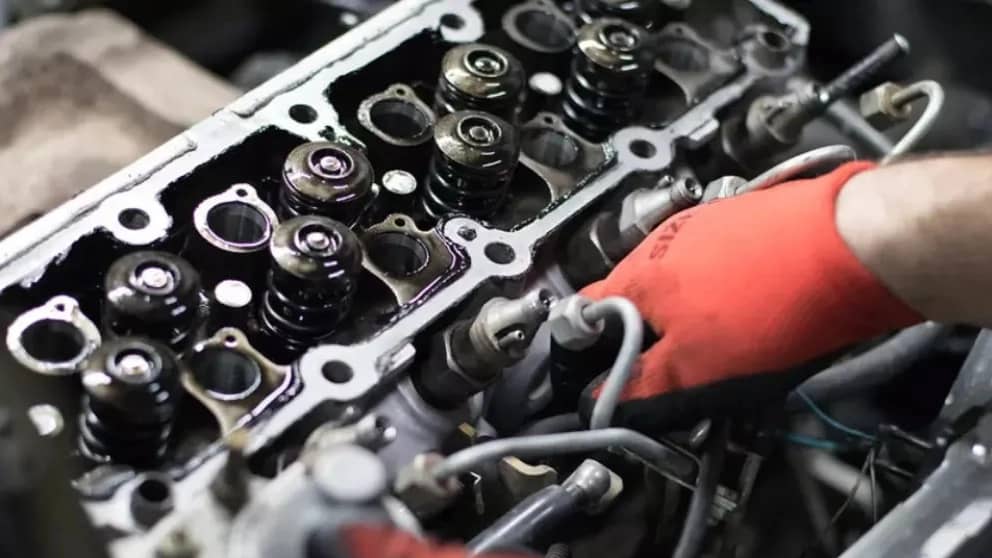
What are the differences between cylinder heads?
Now that you have realized the golden role of the cylinder head in the structure of the car engine, we can easily accept how important it can be to replace a damaged cylinder head with a healthy one. This is the reason why car manufacturing companies spend utmost care and obsession in making cylinder heads. The cylinder head material cannot be weaker than the engine block. Most of the modern companies make cylinder heads from aluminum compounds in order to show more resistance to thermal stresses. Maybe the process of making different types of cylinder heads is fixed, but different car models use different shapes of cylinder heads according to their performance. These differences are often raised in the shape and the way they are connected.
In terms of engineering, there are four types of cylinder heads, which include I-shaped, T-shaped, F-shaped and L-shaped. Depending on whether the car in question is a sports car, or whether it is supposed to be used for work and commercial purposes, or whether it is basically supposed to move on off-road routes, the shape of the cylinder head also changes. The aforementioned problems are usually related to the location of the gas outlet and fuel inlet.☑️ Why is the cylinder head defective?
You must have heard this term that a car is out of order due to burning "cylinder head washer". According to all the explanations that we have given, the smallest change that occurs in the correctness of the operation of the cylinder head endangers the entire structure of the engine.
It is practically impossible to directly connect the cylinder head to the engine block. For this reason, we need an interface plate, which is called a cylinder head gasket. Experts always warn drivers about speeding up cylinder head repair. The loss of the cylinder head gasket endangers the entire injection system and water and oil circulation. There are various reasons for weakening or burning the cylinder head gasket. The first factor is excessive pressure that drivers put on the car engine. Improper use of the engine block heating method makes the cylinder head monitor a serious event.
Apart from the possible damage that affects the cylinder gasket, the possible defects of the cylinder head can also cause problems for drivers. From the leakage and cracking of the cylinder head alloy to the deformation and deformation of the main frame. The opening of fasteners and the connection point of the cylinder head screws and the engine block also causes a sudden increase in the engine temperature and welding.
For engines that are out of tune and usually produce too much soot, it is common for the underside of the cylinder heads to smudge. One of the first signs of damage to the cylinder head is a change in engine sound and a sudden increase in water temperature.