

What are the properties of peanuts?
Strengthen your heart, increase your energy and keep your skin and hair beautiful. Maybe you didn't take the word "heart" seriously, but the fact is that peanuts are one of the delicious legumes and full of properties that if you are looking for a healthy life, it is better to include it in your diet either raw or mixed with other ingredients. .
What is peanuts?
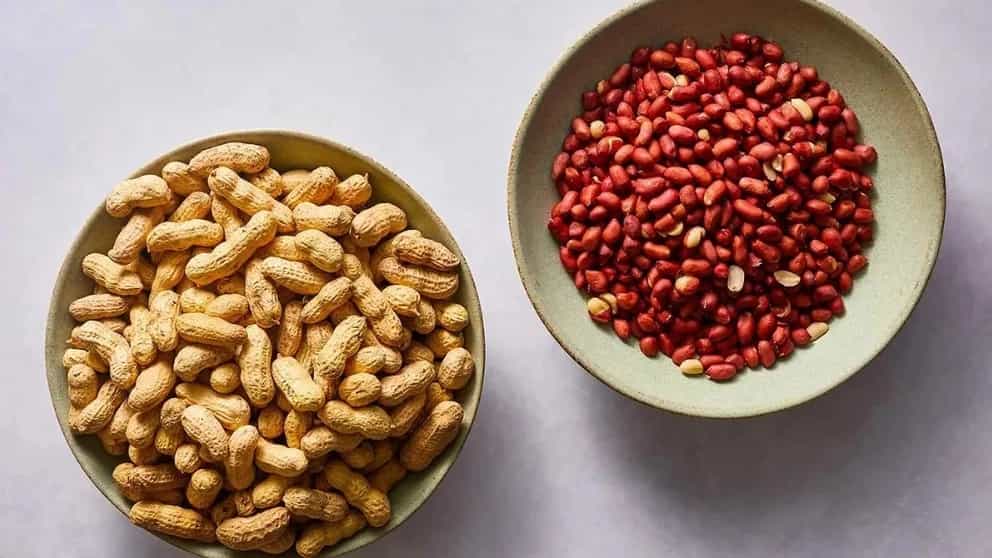
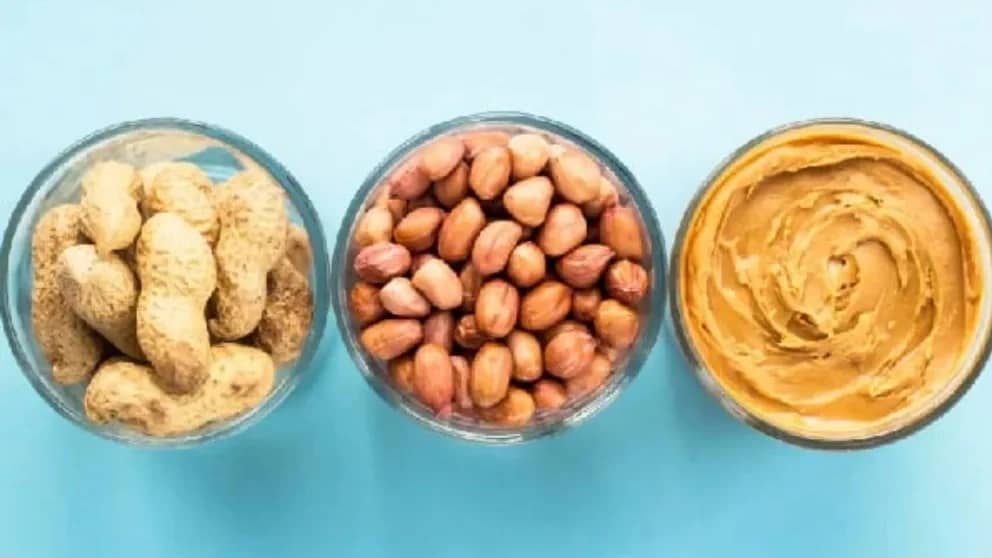
Peanut, despite its name, has nothing to do with tree nuts, but as a legume, it is in the same family as beans, lentils and soybeans. In America, peanuts are rarely consumed raw. Instead, they are often roasted or consumed as peanut butter.
Other peanut products include peanut oil and flour, which are used in the preparation of a variety of foods such as desserts, cakes, pastries, snacks, and sauces.
Peanuts are rich in protein, fat and various healthy nutrients. Studies have even shown that peanuts may be beneficial for weight loss and are associated with a reduced risk of heart disease.
☑️ Peanut Properties
☑️ 1. Enhances heart health
Eating peanuts may help protect against coronary heart disease (CHD). A study conducted by the Harvard School of Public Health found that peanuts may also reduce levels of bad cholesterol (LDL), which leads to plaque buildup in blood vessels. And it is even said that peanut skin extract is rich in polyphenol, which is effective in reducing inflammation that causes heart disease.
☑️ 1. Helps to lose weight
Peanuts are very high in calories, but instead of increasing weight, they help to lose weight, and in general, peanuts are an energy-rich food. That's why eating it as a snack makes you consume fewer calories per day. When eaten as a snack, peanuts provide a stronger feeling of satiety than a meal, which ultimately helps in weight loss.
☑️ 1. Prevents gallstones
Peanut consumption is associated with a reduced risk of gallstones. A study conducted by Harvard Medical School and Brigham and Women's Hospital (Boston) has shown that eating peanuts may reduce the risk of developing gallstones. Men who eat five or more servings of nuts (including peanuts) per week have a lower risk of developing gallstones. Women who consume five or more servings of nuts per week have a reduced risk of cholecystectomy (gall bladder removal).
☑️ 1. Helps control blood sugar
Peanuts have a GI score of 14. While its GL (glycemic load) is only one. That's why the American Diabetes Association calls peanuts a diabetes superfood. The fiber in peanuts also helps to reduce blood sugar levels, and because it contains magnesium and other healthy oils, it is more effective in controlling blood sugar than other foods.
A study conducted by the Federal University of Vicosa (Brazil) on obese women showed that eating peanuts or peanut butter right in the morning may control their blood sugar levels throughout the day.
1. May reduce the risk of cancer
High consumption of peanuts is associated with a reduced risk of colon cancer. The isoflavones, resveratrol, and phenolic acids found in peanuts have anticancer properties that may help reduce the risk of cancer.
A study conducted in the Netherlands showed that peanut consumption is associated with a reduced risk of breast cancer after menopause. Peanuts were also found to prevent stomach and esophageal cancer among older Americans. When comparisons were made, people who did not consume any nuts or peanut butter had the highest risk of developing these cancers.
However, there are concerns about peanuts and cancer. Peanuts may be contaminated with aflatoxins, a family of toxins produced by certain fungi, and these toxins may increase the risk of liver cancer, so it's best to avoid leftover peanuts.
☑️ 6. Increases body energy
Peanuts are a rich source of protein and fiber that help convert carbohydrates into energy. Peanut protein content is about 25% of total calories. The combination of fiber and protein in peanuts slows down the digestion process to facilitate the continuous release of energy in the body.
☑️ Peanut storage and maintenance
Peanuts without skin can be stored in a dry and cool warehouse for 1 to 2 months, but if stored in the refrigerator, their shelf life will increase by 4 to 6 months. Now, if you put peanuts in the freezer, this time will reach 6 to 9 months.
Due to the fact that peanuts may spoil, if you find that they no longer taste and smell fresh, it is better to throw them away. Be careful that moldy peanuts with aflatoxin can disrupt liver function and lead to complications such as jaundice, fatigue, loss of appetite and liver damage, even liver cancer. So, to take advantage of the properties of peanuts, it is better to store and consume them until the right time.