
What is a Shalikobi purification?
Usually, rice purification in a rice milling system can be a simple one- or two-step process or a multi-step process, which we refer to below:
One-step grinding: husk and bran removal is done in one step
Two-step process: husk removal and bran removal are done separately
Multi-stage milling: It can be done for local consumption in the village or commercially for mass sale of rice. In the multi-stage rice milling process, rice is boiled to some extent to increase its nutritional value, and this process is called boiling, which reduces breakage and even changes the texture of cooked rice.
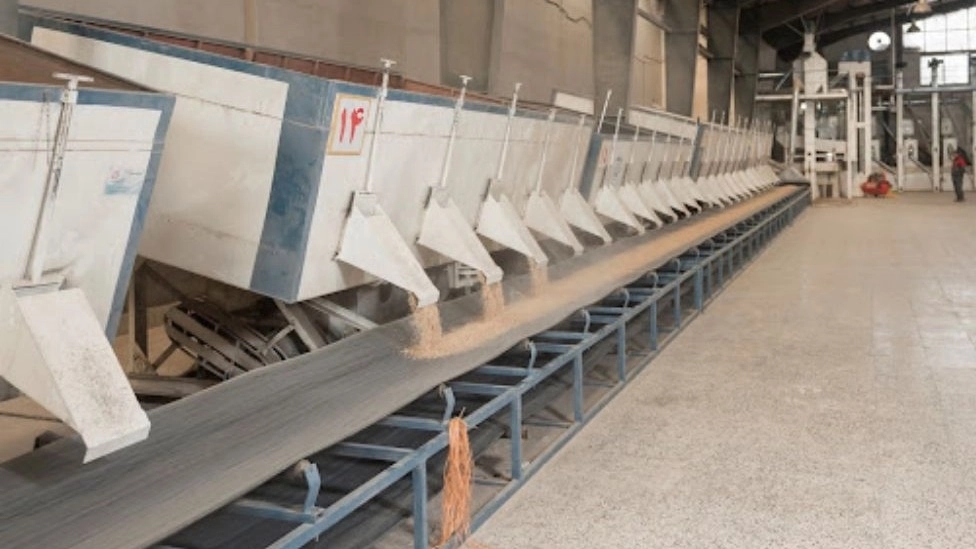
✔️ Shalikobi (rice mill) is done in two ways:
1-Rural rice mill: Rice fields that farmers use for home use are called rural rice fields.
2- Commercial rice mill: When the rice is milled enough and all its husks and stones are removed to attract customers, it is known as commercial rice mill. Another goal of commercial mills is to minimize grain breakage.
✔️ Stages of Shalikobi:
✔️ Pre -cleaning method:
The rice paddy cleaning process is also known as the rice paddy cleaning process. . After the rice comes from the rice fields, cleaning the rice paddy is the first step in threshing. Paddy always appears with a lot of foreign matter including weeds, soil, seeds, etc. These foreign materials should be removed before taking the paddy to the dehusking process so that the efficiency of the dehusker as well as the mill is not reduced. If these wastes are not removed well, it can reduce the efficiency of rice milling machines. The pre-cleaning capacity of the paddy field is actually 1.5 times the milling capacity. If paddy cleaning is not done properly during the threshing process, the fine rice grains can create dust and reduce air flow through the rice grain. Descaling is done to remove unwanted stones in rice using a gravity separator or descaler. This process involves passing raw rice through a series of sieves and a closed circuit aspiration system.
✔️ Details (scaling or peeling):
1- The process of removing the husk from rice grains is called peeling. This process in rice threshing includes: leading the rice to a pair of rubber rolls, rotating in the opposite direction and at different speeds. Shear force on the body surface is created due to the horizontal inward pressure on the rubber rolls. Removing the husk from rice˛ is known as husk aspiration. The husk is separated by friction˛ as the rice grains pass between two abrasive surfaces moving at different speeds. After separation, the shell is removed by suction and transferred to storage outside the mill. Husk makes up 20% of the weight of paddy field.
2- Paddy separation: the surface of the rice grain is smooth, while the surface of the paddy is rough. Shalikobi uses this difference in texture to separate rice from paddy. The rice paddy separator˛ separates the husked paddy from the rice. The amount of rice depends on the efficiency of the shell and should not be more than 10%. Paddy separators work by using the difference in weight and size between paddy and rice.
✔️ bleach and polishing or polish:
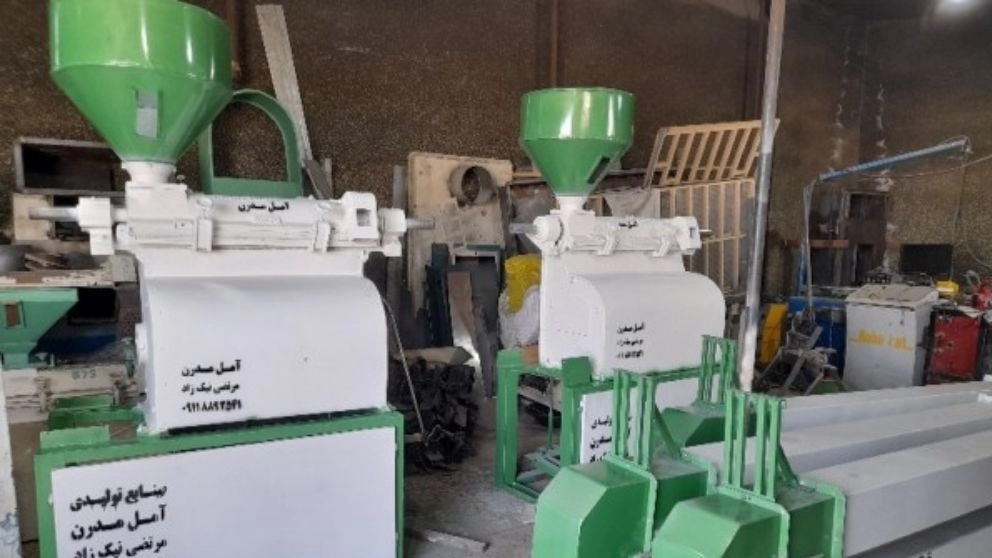
A moistened rice polisher is used to polish the rice surface in Shalikobi. The factors that determine the degree of whiteness are: the radial speed of the stone wheels, the size of the stone network, and the external pressure on the outlet chamber of the bleaching machine. White rice is produced by removing the bran layer and the germ from the paddy field. The bran layer is separated from the core through abrasive or friction polishing. The amount of bran removed is usually between 8 and 10% of the total weight of the paddy field. To reduce the number of broken grains during the blanching process, rice is typically passed through two to four blanching machines connected in series.
✔️ Separation of white rice:
After polishing, the white rice is separated into head rice, large and small broken rice and brewed rice by an oscillating plate sieve. Head rice is often classified as grains that are 75 to 80 percent or more of a whole kernel. To achieve higher accuracy for grading and separation in rice milling, an indentation is used.
✔️ Mixing rice:
A good rice mill is 50-60% whole grain rice, 5-10% broken large and 10-15% broken grain. produces small Depending on the country's standards, the rice grades available in the market will contain 5 to 25% broken kernels. If the mixing of rice is to be done properly, it is necessary to use a volumetric mixer.
✔️ Dust Payment:
Mixing the fine water mist with the dust remaining on the bleached rice improves the luster of the rice without significantly reducing the mill performance. forgives. This action is done in Shalikubi˛ for final payment before sale.
✔️ Rice weighing:
Weighing and bagging machines are used to pack and accurately weigh rice to be sold in the market. Rice is usually sold in 50 kg sacks, which must be accurately weighed and labeled. While most rice mills use a manual mechanical weighing system, very accurate and fast electronic systems are also available.