

Steps
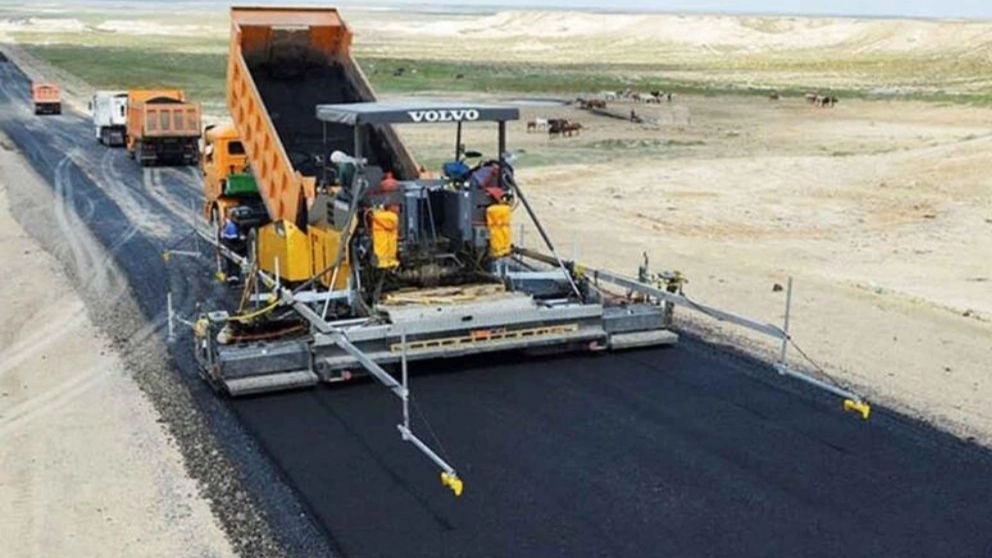
The first stage At the beginning of the road construction route, you must prepare a topographic map that includes the physical characteristics of the land for the road area. This map must have level curves. Also, at this stage of road construction, the characteristics of the land where the road is to be built must be determined. The land type can be plain, hilly or mountainous. Then the specifications of the road, such as the number of crossing lanes on the way back and forth, and the grade of the road must be specified. The design speed and the minimum and maximum virtual slope that this road can have must also be specified. The second step At this stage of road construction, road filling should be done. At first, you should calculate the appropriate radius according to the value obtained in the previous step and from the slope value. Then, from the beginning of the road to the end of the road, draw circles with the calculated radius, so as to cover the entire route. The third step This step is one of the most important steps in road construction. At this stage, the broken lines must be identified. In order to identify the broken lines on the road, you need to pay attention to some things, including that your designed road must have the minimum number of breaks and curves. Also, the angle that deviates the path must be its minimum value. Considering these things, determine the location of the broken lines. Also, design the vertical arcs of the path. If you pay attention to the mentioned points, you can design optimal broken lines. The fourth step In this stage of road construction, you should draw the longitudinal profile and the project line. To draw the longitudinal profile, draw a two-dimensional curve. The horizontal dimension of this curve includes the distance from the beginning of the road and its vertical dimension includes the height of the points on the ground. To specify different points on the curve, consider the distances between the points based on the type of land that was specified in the first step. To draw the project line, it is enough to use the value of the longitudinal slope that was specified in the first step. . The fifth step This stage includes road paving and traffic placed on it. Road paving is a step that is carried out on the last layer of compacted soil and consists of a sub-base, base, a layer of asphalt or concrete. The value of each of these must be calculated. This part of road construction is done with the aim of increasing the ground's resistance against the pressure exerted on it by the car's tires. The sixth step At this stage, transverse points should be drawn. To draw these points, you should pay attention to 2 points: For the places that have earthworks, longitudinal water lines should be drawn. The slopes that are drawn for earthworks should have a small and gentle slope as much as possible. For each station, cross sections should be drawn based on the height values of the middle, left and right points. Draw the right of the road from the plan and the height difference between the middle point of the road and the project line obtained in the fourth step.