

Using standard pipes in building plumbing
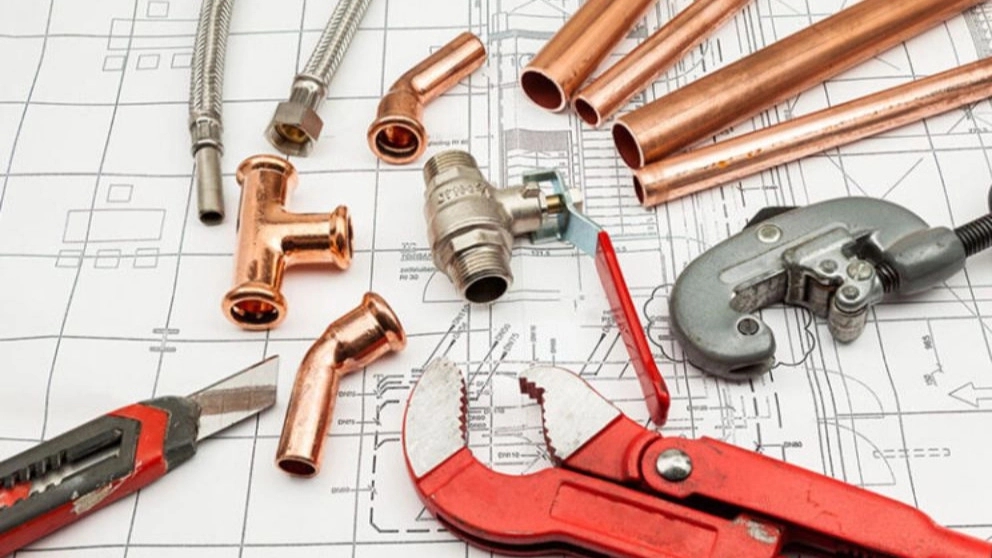
One of the points of building plumbing that should be paid full attention to is the use of high-quality and durable materials and pipes. What are the best pipes for plumbing?
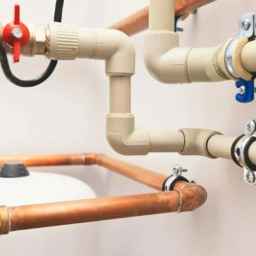
In answer to this question, it should be said that the best pipes are green or white pipes, which are also called "polypropylene" pipes, single-layer pipes, or PP pipes. . At first, these pipes entered the market in green color, but with the passage of time and examination of these pipes, the factories that made them realized that the green color of the pipes changes the color and taste of drinking water. This is the reason why today instead of green color, their white color is available in the market so as not to change the color and taste of the water. These pipes can withstand 20 times the temperature of 20 degrees Celsius and 10 times the pressure at 85 degrees.
The use of high water in the design of the building's plumbing
Another principle and tips of building plumbing is to always have high-pressure water, especially in toilets and bathrooms. The design and implementation of plumbing should be such that you always have full access to high-pressure water.
Use short paths for building plumbing
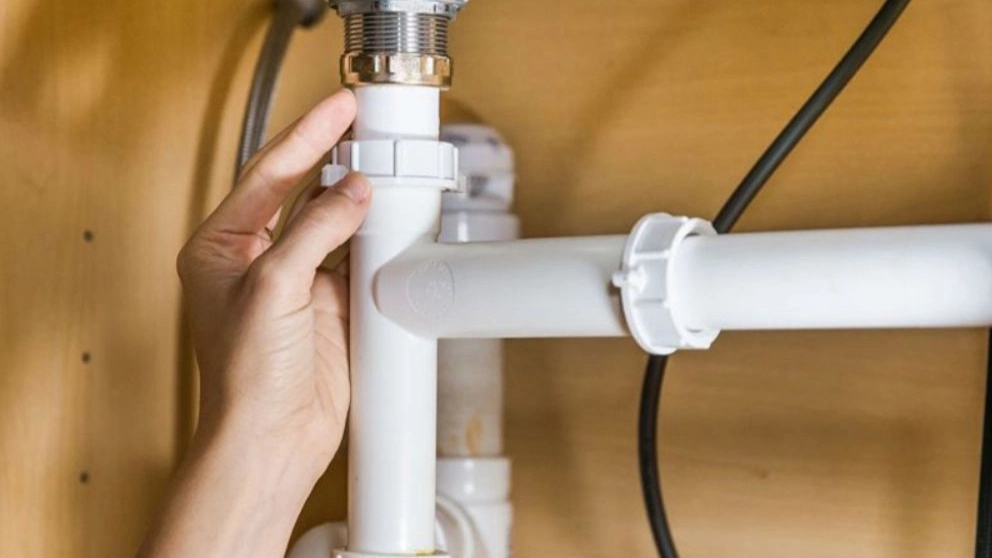
Branches related to hot and cold piping inside the building should be as short as possible. Specialists in this field believe that a standard and correct plumbing does not have any misplaced branches and is completely done in a short and appropriate way. Short and straight pipelines are more resistant to water pressure, and if they have problems such as leaks or breaks, they can be repaired more easily and quickly.
Pipe design parallel in building plumbing
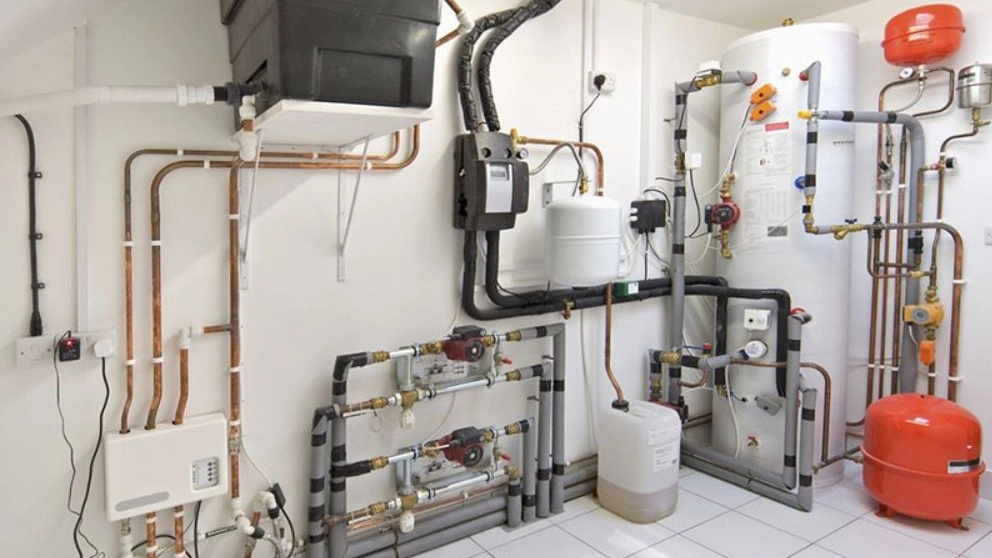
Among the building plumbing points that should be paid full attention to is the parallel design of the pipes. Try to place the hot and cold water pipes in parallel. This makes their inspection and troubleshooting process faster. The point that we must address here is that the parallel pipes of cold and hot water must be placed at a standard distance from each other. According to the standards set for residential and office buildings, the distance between cold and hot water pipes in a piping line is at least 5 cm and at most 10 cm.
Observing the proper gap between sewage pipes and building pipelines
The route of the sewer pipe is another point of building plumbing that should be taken into account. According to the latest standards set by the country's water and sewage organization, the distance between the sanitary water piping of the building and the sewage pipe should be at least half a meter or 50 cm. Considering this issue, try to route the cold and hot piping of the building. Keep away from the path of the sewer pipe. In some cases, you have to change the way the pipe is arranged. In these cases, the inspector must check the distance or layout.