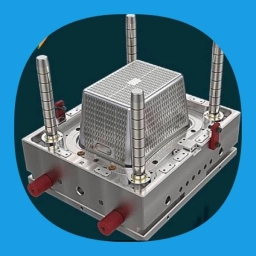

❇️ Plastic Injection Mold Tool
Plastic injection molding or plastic injection is the production of plastic parts in large quantities using injection molding machines. To understand how it works, you need to have a basic knowledge of plastic injection molding tools, what they are, how they work, where to find them, and which injection molding tools are best for specific jobs.
❇️ What is an injectable mold
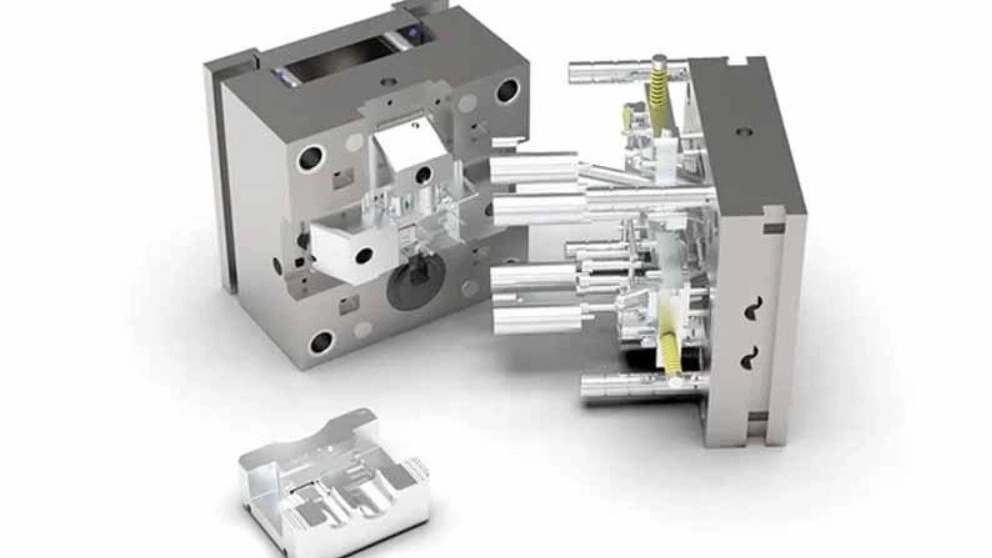
An injection mold or A-plate is a machined tool used in the plastic injection molding process. Converts molten plastics into final plastic goods. This is the entry point that allows the molten plastic to pass through the injection unit. The input of the injection mold is called Bush Sprue. They connect to runners, tunnels that connect the sprue to the cavity image. In general, this injection molding tool can have single or multiple cavities depending on your production volume.
❇️ What is the Mold of the Experience
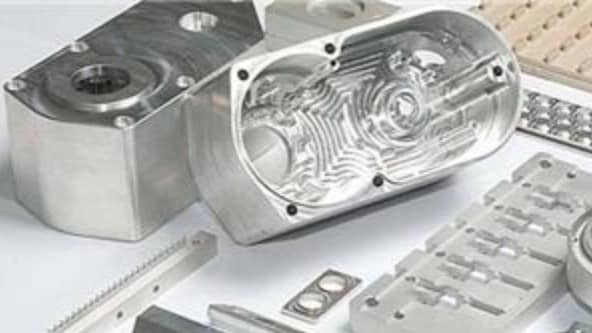
The ejector mold or B plate is a part of the injection molding tool that acts as the exit point through which the plastic parts are ejected from the injection mold. When the molten plastic molds are formed, the B plate clamping unit slides from the injection mold and creates an exit point and ejects the plastic products from the injection molds using the ejector pins.
❇️ Types of Injectable Mold Gate Tool
The small opening that is created when the mold is opened is called a gate. Plastic enters the mold cavities through these holes. There are two main types of gates in injection molds. They are:
* Gates with automatic turning: These gates open automatically without operator intervention. This way, there is less damage and scarring. These gates include hot runner gate, valve gate and ejector pin gate. , separate the components from the runners. They include Sparrow, Spider, Overlap Gate, and others.
❇️ Types of plastic injection molds
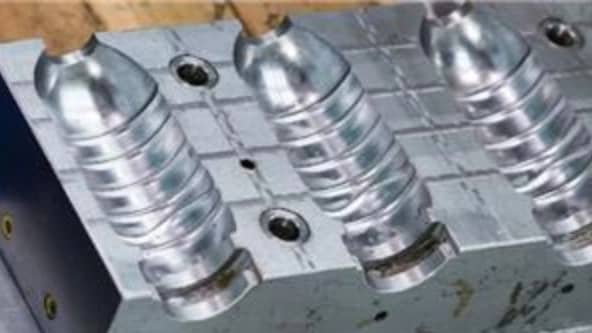
Injection molds vary in shape and size depending on the plastic product you want to produce. There are many different types of injection molds that you can use for your plastic injection molding process, but double-sided molding is the most commonly used. The types of plastic injection molds are classified according to the following:
⚜️ Number of mold holes
One of the main ways to find the distinctiveness of the injection mold. Plastic is the number of holes in the mold. There are three types of injection molds in this category. They include the following:
Large molds: Large molds have many distinct cavities. Manufacturing companies use it to produce plastic parts of various shapes and sizes.
Single Cavity Molds: Used to create one molding part per cycle because it has only one cavity. They are usually not ideal for high-volume plastic production, but they are cheaper than others.
Multi-Cavity Molds: This injection molding tool has multiple identical cavities to produce large volumes of similar containers.
⚜️ Feed System
Another way to differentiate plastic injection molding tools is through their feed system, a series of channels including runners, gates And the sprues guide the molten plastic into the mold cavity.
⚜️ mold plate
As mentioned, mold plates are one of the molding tools. which is used to produce plastic containers. You can use the number of mold plates to distinguish different plastic injection tools. They include the following:
Double-Sided Injection Mold: This injection mold has affordable tooling costs and can be used with almost any runner system, making it the most widely used injection mold by hundreds. Thousands of plastic manufacturing companies convert. However, they are more familiar with single-cavity molds.
Three-plane injection molding: Unlike the two-plane mold with one parting line, it has an additional striper plate with two parting lines. These lines separate the running system from the injection molded parts.
Stacked Injection Mold: The most expensive injection mold to buy in this category, but it is more efficient and lowers overall operating costs. It also uses several tonnages of clamps in each cycle.