
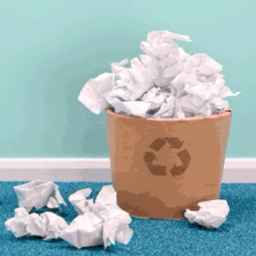

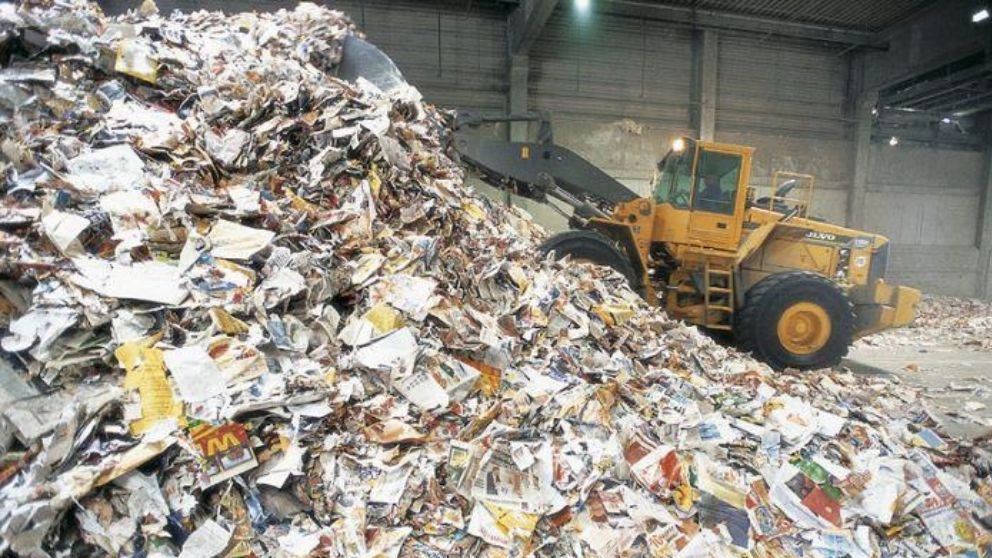
The increasing production of waste, including paper and cardboard, and its unprincipled disposal into the environment, regardless of the category of recycling, in addition to wasting national capital, causes the loss of natural resources. Recycling is a process in which the valuable materials in the waste are separated and collected and used in their primary form or as raw materials for the production of new products. Physical analysis of urban waste shows In most cases, the recyclable dry components in urban waste are plastic waste, paper waste, cardboard waste, glass waste, metal waste, textile waste and bread waste. Almost 80% of all paper and cardboard used can be recycled and reused. Recyclable paper and cardboard in urban waste generally include newspapers, books, magazines, printed, advertising and commercial papers, office correspondence, printing papers, cardboard and packaging papers. These components are often collected as a mixture with wet waste. And they lose their ability to recycle. Therefore, the most cost-effective and healthiest way to recycle paper and cardboard from urban waste is the separation of wet and dry waste from the source of production.
The following are the benefits of recycling paper and cardboard from municipal waste:
A - The recycling of each ton of waste paper prevents the cutting of 17 forest trees. There are those that use wood. To produce one ton of paper from fresh timber, 20 gigajoules of energy are required.
P - To produce one ton of paper from fresh timber, 300,000 liters of water is needed, which can be reduced by 60% if recycled paper is used.
T - Methane gas is produced in the landfill of paper and cardboard, which is found in greenhouse gas meters and is related to the phenomenon of global warming. Also, the reduction in transportation caused by recycling will reduce the consumption of fossil fuels and reduce the emission of carbon dioxide in the atmosphere.
D- Creation of employment in the form of creating workshops for collecting, buying and selling, distributing and using paper and cardboard. Recycling
C- Conserving capital and resources by preventing imports and creating income from the sale of recycled materials. including reducing the costs of collecting, transporting and disposing of waste
h-reducing the demand for non-cellulosic raw materials (chemicals) and as a result reducing the polluting effluent
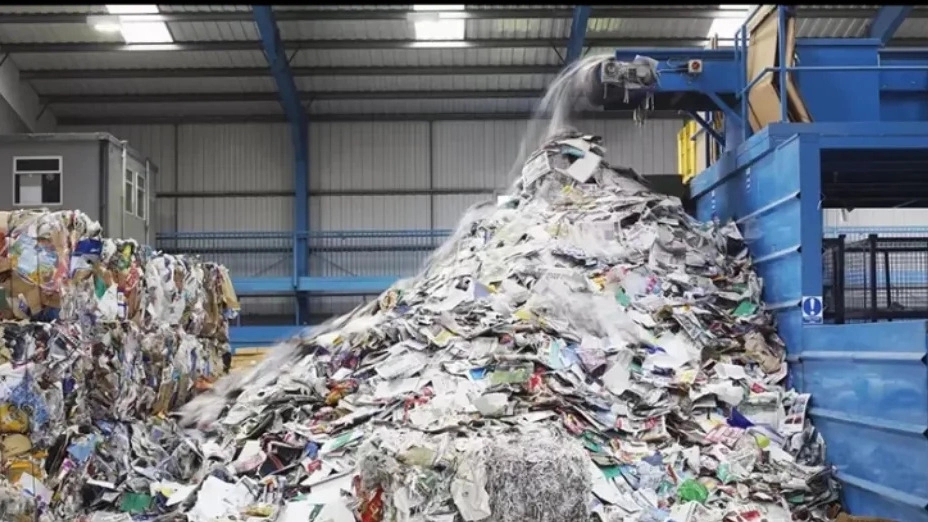
♻️ According to the results of the physical analysis of urban waste in Iran, on average, paper and cardboard constitute about 11% of this waste. Research conducted in the country shows that only by recycling 25% of waste paper and cardboard in production waste, 100,000 tons of recycled paper can be obtained annually. Studies conducted in Denmark show that recycling paper and cardboard is the best option from an environmental point of view, compared to burying or burning it due to the reduction of air pollutant emissions.
Studies conducted in Western Europe showed that that the recycling of paper releases 60% less carbon dioxide in the atmosphere than burying it. Considering the economic and environmental advantages of paper and cardboard recycling, the European Union Commission strongly recommends that the recycling and reuse of waste paper and used cardboard is better than burying. Or burning them is preferable, despite the fact that the situation of waste management, especially in the collection and transportation sector in the country, has improved significantly in the last year. ♻️