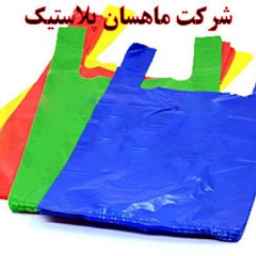

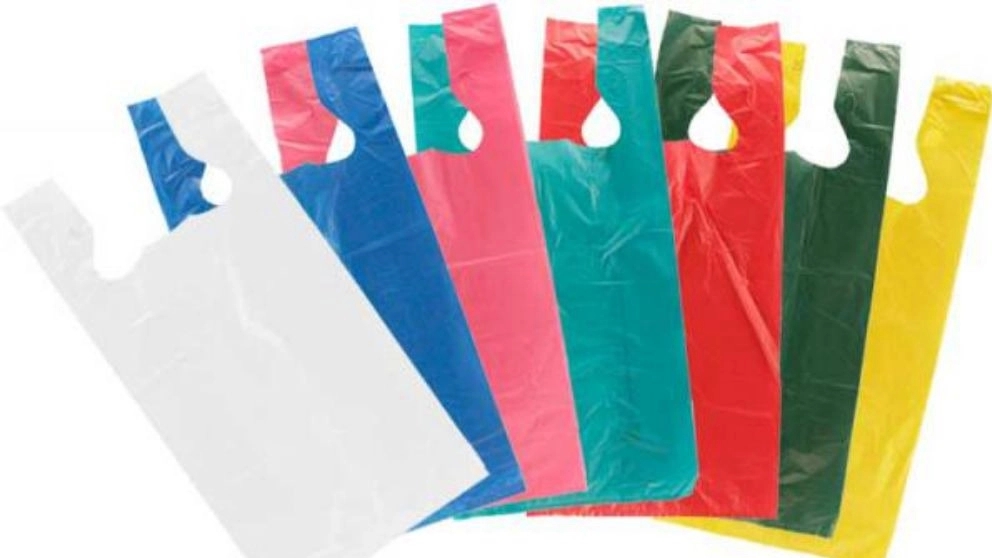
The first man-made fiber is nylon, which was made by the efforts and research of scientists through the creation of molecular bonds and the formation of polymers. The material that plays a role as a basic polymer in the manufacture of nylon is polyethylene. The structure of polyethylene consists of a long chain of carbon atoms that are connected two by two with double bonds, and hydrogen atoms are connected to carbons in their branches. This structure occurs by creating a combination between natural gas and crude oil and as a result of a chemical synthesis. and becomes soft and flexible when exposed to high temperature conditions. Another important feature of polyethylene is its impact resistance, which increases its toughness. This is why nylons, while being soft and flexible, have good impact resistance.
مان Types of Polyethylene 🔹 5
In this part, we are going to evaluate the types of polyethylene grades. Different grades of polyethylene are classified based on their density. What changes the density of polyethylenes is the difference in the type of polymer chain and the number of branches connected to the main branch. Accordingly, the following three categories are used as different grades of polyethylene to produce nylons:
🔹 heavy polyethylene (HDPE): heavy polyethylene with high density and has only one main branch in its structure. In the case of having sub-branches, the strength of the intermolecular bond between the atoms of the main branch decreases. Due to the absence of sub-branches in heavy polyethylene, the intermolecular tension force and tensile strength become very high, and thus their tensile strength is higher than other polyethylene grades.
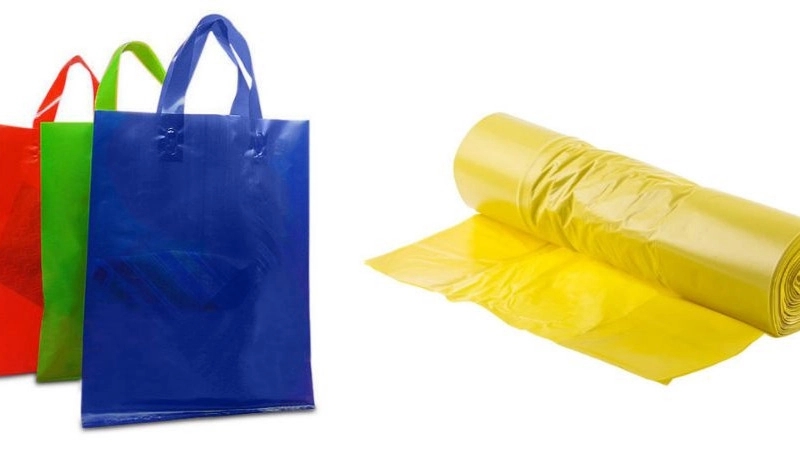
Nylex bags which are often They are found in fruit shops and supermarkets and are mainly made of this type of polyethylene. Of course, it is also necessary to mention that not all Nylex ingredients are made of heavy polyethylene, and about 80% of it is heavy and 20% of it is made of light polyethylene.
🔹 Light polyethylene (LDPE): Light polyethylene is the material used in the production of nylon bags. Light polyethylene has sub-branches in its structure, which reduces the number of intermolecular bonds of carbons in the main branch. Reducing the number of bonds makes them weaker, and as a result, in terms of tensile strength and physical properties, light polyethylene is weaker than heavy polyethylene. 🔹 Linear light polyethylene (LLDPE) : This polymer is created through the copolymerization of ethylene monomer with olefin (short chain olefins such as butene or octane or hexene). As a result of this process, a copolymer with short hydrocarbon branches with a linear structure is produced. Although the linear structure of this type of polyethylene improves its impact resistance and tensile strength, it reduces its flexibility. Freezer bags that we deal with on a daily basis are made of this type of polymers.
Nylon bangle مرین
You may have heard that nylon is made from a substance called granules. Granule is not the name of a specific material, but it is the same as polyethylene, but in the form of grains and balls. Polyethylene, which is used to produce nylon, is available in two forms, powder and granular. The advantage of polyethylene granules over polyethylene powder is its ease of use. Unlike powder, granules do not disperse in the air, thus reducing the amount of wastage and the risk of respiratory diseases. Therefore, many manufacturers prefer to use its granular form instead of polyethylene powder. Granular materials can be used in both new and recycled forms. If the granules are made from new petrochemical raw materials, the nylon and nylon produced from them is of high quality and is considered first grade. But if the granules are made from recycled raw materials such as plastic slippers, plastic bags, plastic stationery, etc., the nylon and nylon produced with them have lower quality and are known as second grade.
Nylon Masterbatch 🔹 5
Any additive that is added to polyethylene to change its properties is called masterbatch. These additives improve the performance of nylon and increase its quality. In the following, we will introduce these masterbatches.
🔹color masterbatches: used to dye nylon.
🔹anti-uv masterbatches : Protects the product from sunlight.
🔹 Antistatic Masterbatch: Prevents the accumulation of static electricity, improves printability, does not absorb dust and It becomes dust and soot. 🔹 Antioxidant masterbatch: Plastics are oxidized due to the effect of oxygen, light and heat. This masterbatch makes nylon more stable against oxidation.
🔹Antibacterial masterbatch: Prevents the accumulation of bacteria, fungi and pollution. p> 🔹Smoothing Masterbatch: Smoothing is used because the nylons are easy to open and do not stick together.
🔹Clarifying Masterbatch: < /b>Helps nylon to be transparent and shiny and prevents it from turning yellow and dull. and prevents the spread of fire. 🔹anti-vapor masterbatch: prevents the formation of steam and dew on the inner layer of nylon.
🔹biodegradable masterbatch: speeds up the process of biodegradability in nylon forgives.