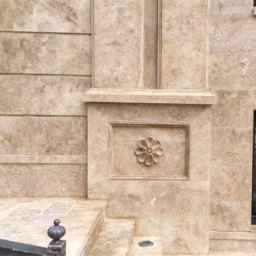

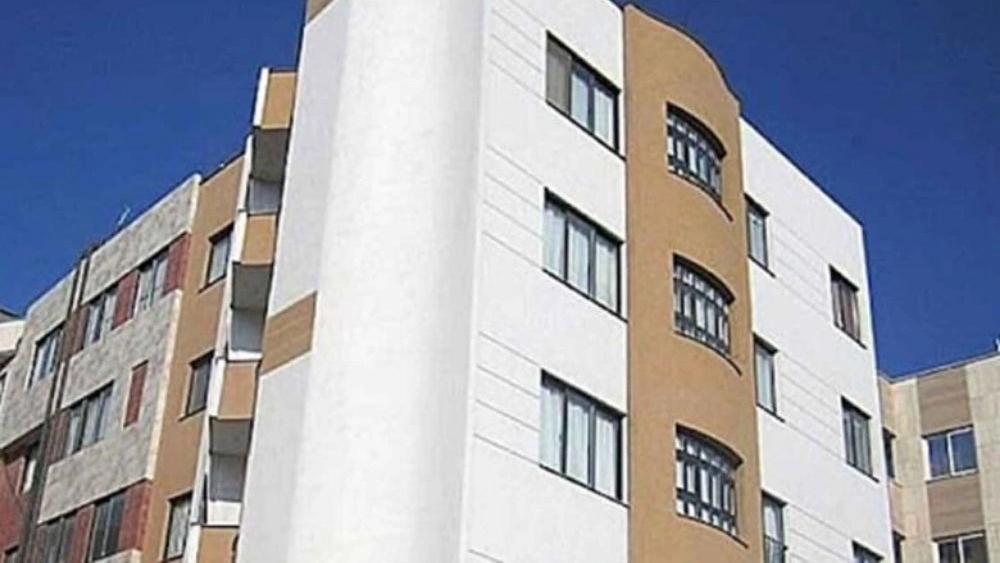
Method of implementing the mineral facade in the building
The method of implementing this coating is done in two ways: mineral spraying and troweling.
Mines
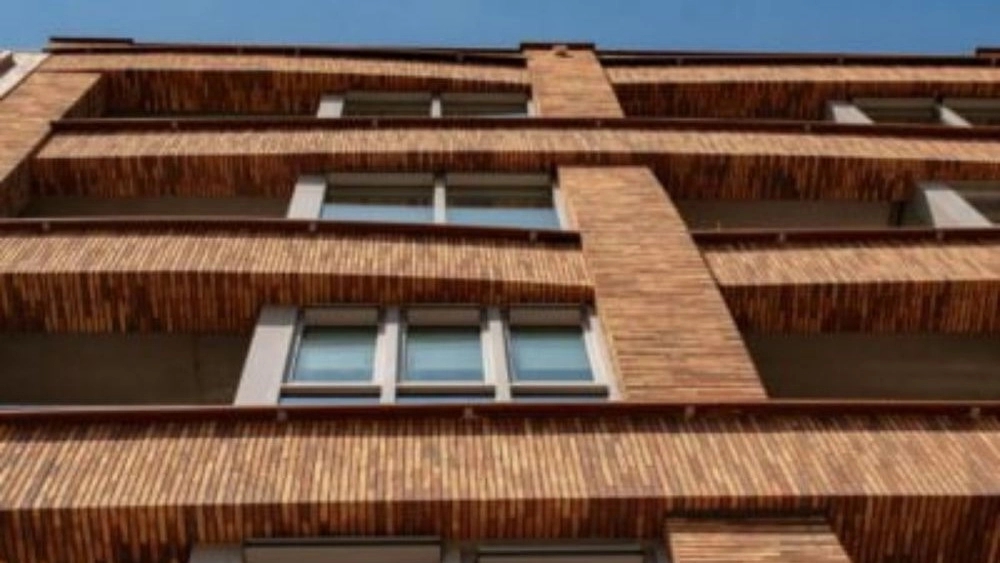
Paying mineral with a trowel does not require a special device or specialized labor and is less expensive than the pistol or spray method. After cleaning and making the surface uniform - if needed, cover the surface with primer (each 1 kilo of primer is enough for approximately 10 square meters of the work surface) - we mix the mineral compounds with water. For this purpose, mix 25 kilos of the compounds with about 1 We mix up to one and a half liters of water and cover the surface with a thickness of 3 to 4 mm. After about a day - depending on the type of season and weather conditions - the surface will dry Our building will be more.
Implementation
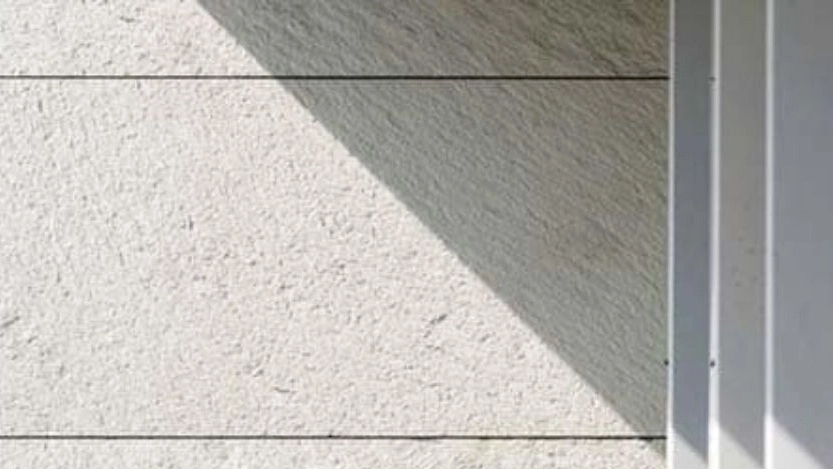
Executing mineral texture and color with a pistol, which is also called the spraying method, has advantages over the trowel method. In addition to being faster, it applies texture evenly and provides a smooth, smudge-free finish. It is especially suitable for surfaces with uneven foundations. For angular points, columns and generally problematic surfaces, mineral facade paint is better implemented by spraying method. Of course, we have to fix many unevenness and damage to the surface under the facade before applying mineral, because in the long run it can cause problems for the main coating of the walls. After preparing the mineral compounds, we pour it into the pistol chamber and execute it with a 90 degree hand angle at a distance of 30 to 40 cm from the facade. In this method, depending on the type of season and weather conditions, we need almost a day to dry the facade. In the spraying method, the speed of the mineral facade of our building will be higher.
Important points before running
1. An important thing to consider when buying a facade to protect your exterior walls is how breathable the top coat or exterior paint is. Breathable or microporous coatings allow excess moisture in the building facade to evaporate and dry.
Mineral facade minerals often absorb moisture from the outside and thus cause problems in the interior and exterior of the building. If there is moisture, the walls can become very cold and greatly affect the cost of your heating bills. For example, the implementation of mineral facade in Mazandaran increases the possibility of mold growth and pollution both inside and outside Sakhaman. For this reason, you should use silicone, acrylic resins and antibacterial powders on the surface of the monolithic facade, so that it works better as a waterproofing agent.
The next important issue is the amount of dust absorption and the impact of pollution on the monolithic facade of the building. For this reason and to solve this problem, be sure to use additives or antistatic powders in its compositions.
During the implementation of the mineral coating, if the aggregates that contain natural color are not used, they will fade and change the color of the facade over time due to sunlight. For this reason, anti-UV industrial resins are used to preserve the properties and color of the building's monolithic facade.
4. It is recommended to use anti-sulfate cement or Portland cement for a better implementation of the mineral look. This type of cement causes better adhesion of particles to each other and does not destroy the facade.
Cutting Erika with beautiful and durable aggregate designs
Erica facade coatings are a type of building mineral coating consisting of natural aggregates and acrylic styrene resins to increase the resistance of the building facade. Ericanama company is a provider and provider of travertine design, microsand (microcement), brick design and all types of exterior and interior colors. The superiority of our coatings is in creating anti-crack, waterproof, anti-dandruff, light and breathable facades. The most important point in Erica, in addition to the stylization of the facade, is the high speed of execution, the price is much lower than stone and brick facades, and the use of topcoats and anti-moisture and anti-UV resins. This greatly reduces the cost of facade maintenance and repairs, and in most projects, there is no need to paint and repaint the exterior for the next 30 years.
These waterproofing coatings are especially effective for use in older buildings where waterproofing insulation was not included during construction. Also, in facades that are made of limestone, the colors and breathable topcoats of Ericanema are used.