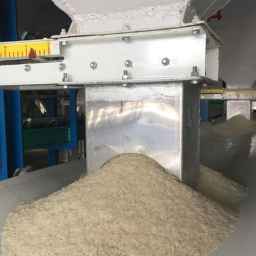

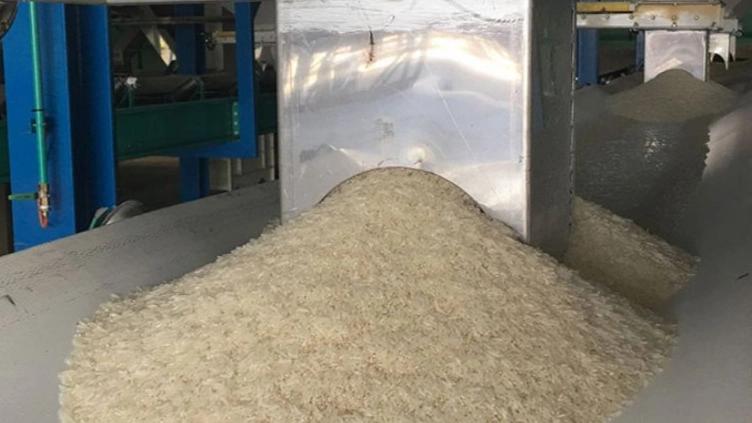
❇️ Drying ❇️
The first stage of rice threshing is drying the rice. High humidity of seeds increases waste and is considered the main factor of biological spoilage. Therefore, timely drying is very important.
Continuous flow dryer and fixed bed dryer are two methods of paddy drying that are done mechanically and traditionally.
❇️ Cleaning (sifting)
At this stage, the paddy is removed from the dryer and then put into the strainer. By doing this, extra materials, stem, straw, etc. are separated from the seeds. In this section, due to the presence of a suction cup, dirt and dust are removed from the paddy.
❇️ Peeling
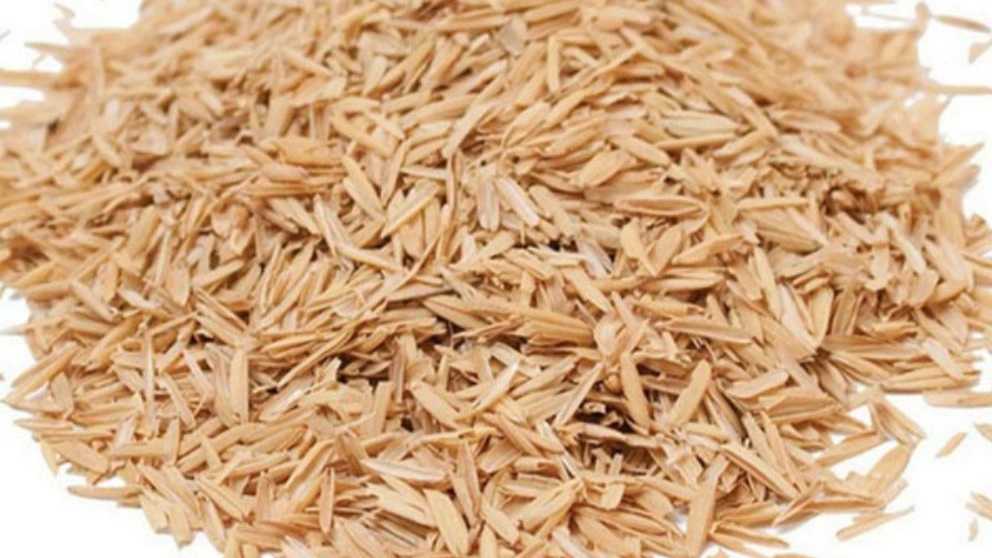
The way of threshing is that in the third step, the brown skin of paddy and other extra materials are separated from the grains. The separated shells are used in the production of paper products, used in livestock farms, etc. In the step of separating the skin, paddy is converted into bran.
❇️ Bleach rice beads
In rice mills, bran grains are cut by a bleaching machine to reach the white layer, rice. The separated layer is also used as animal feed in livestock farms and some human food. Bleaching is done vertically or horizontally in several ways: frictional bleaching, abrasion bleaching, bleaching Vertical abrasion, blade bleaching and blowing friction bleaching.
❇️ Polishing or Polishing Rice Seeds
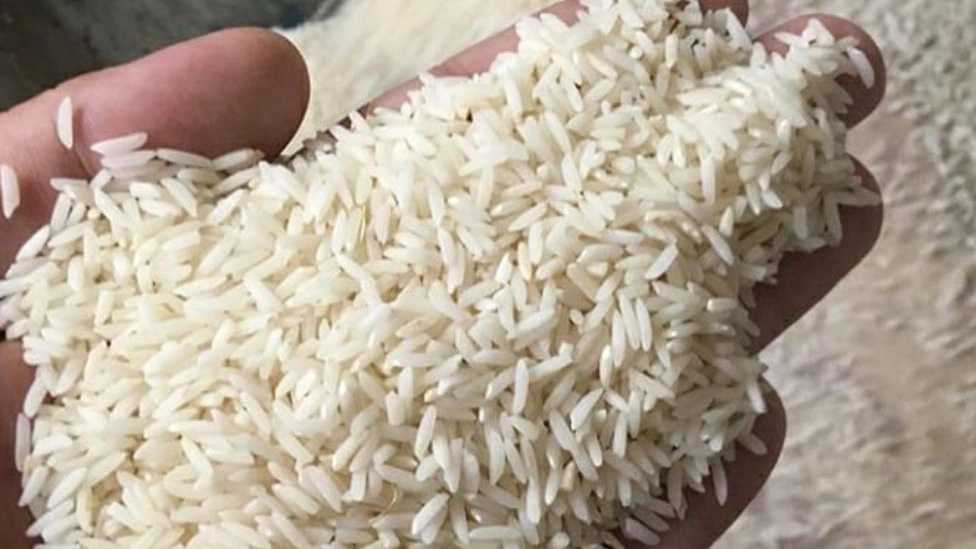
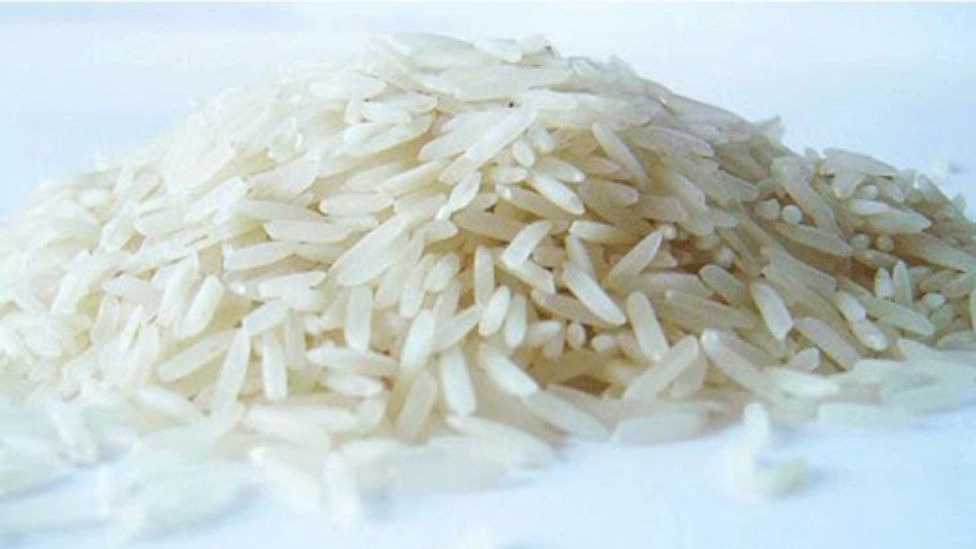
At this stage, the rice grains are polished by special polishing machines and the remaining bran is removed from the rice. These devices are in the final stage of converting paddy into white rice and will make the surface of the rice shiny and transparent.
❇️ Sift in Shalikobi Factories
At this stage, we reach the re-sieving of the polished grains. The sieving in this section is different from the sieving of the second stage. In this section, sieving is done with the aim of separating and classifying rice grains. Sifting in the second stage cleans the extra materials and dust from the rice grains. Using special sieves, the rice is separated and classified according to its size. Fat and coarse rice are separated from chopped and fine rice. At this stage, there is usually no deviation or its amount is very small.
❇️ Storing
Storage stage is very important like other stages of rice production. The rice seeds are put in special bags and stored in the warehouse for up to 2 months. Keeping rice in the warehouse during these two months helps to cook rice better and have better quality.
❇️ Switch in Shalikobi
In explaining the method of printing, it is necessary to consider the sorting part. In this section, rice is separated from each other based on color. Usually, in a large amount of rice, black seeds, yellowed rice, broken seeds and bran still exist, which will greatly affect the quality of the product. For this reason, a rice sorter is used to separate them.
The mechanism of sorting machines is that they separate white rice from other rice based on the color of CCD and CMOS cameras.
❇️ Packaging
In rice milling factories, after sorting, rice is packed in bags of specific weight. Today, this work is done mechanized and without manual intervention. Rice is placed in packages of 1 kg, 5 kg to 50 kg and will be sent to the market.