
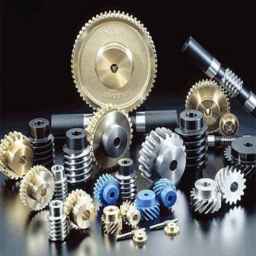

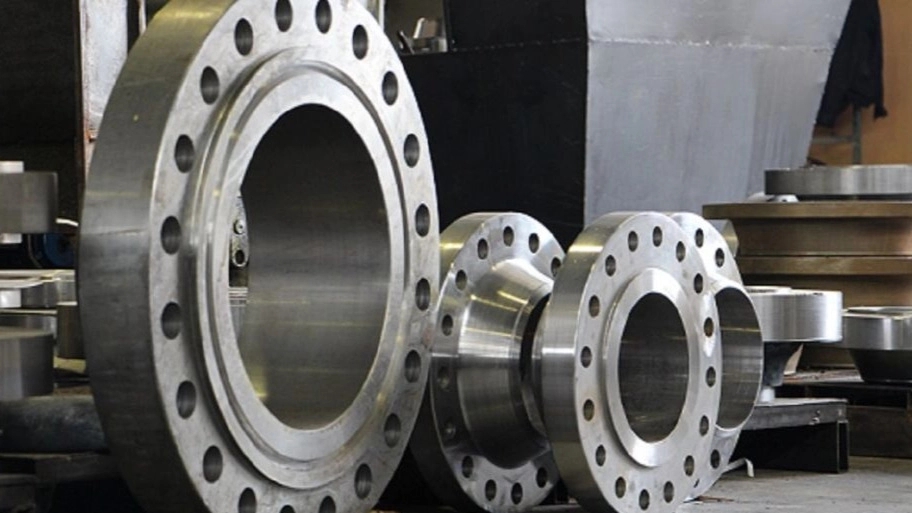
Manufacturing methods for industrial parts can vary significantly. Because each process has its own strengths, compatible materials and processes. Deep understanding and better understanding of the range of production methods will improve this decision making process. Making metal parts or making industrial parts includes processes such as cutting, shaping, welding, etc. These processes transform raw materials into final parts and structures, choosing the right process or methods for manufacturing industrial parts will depend on various things such as the material of the part, parameters affecting the final product such as possible assembly tolerances and sensitivities, etc.
Different industries need different parts and industrial equipment to do their work properly. Various methods are used to produce industrial parts, the most important of which are the following:
CNC machining (CNC milling and CNC turning)
extrusion
casting Metallurgy
Die casting
Metal injection molding
Forging
Sheet forming and pressing
Metal 3D printing
1- CNC machining (CNC milling and turning)
CNC machining method (CNC milling and CNC turning) is widely used in the manufacturing and production of industrial parts due to its low cost, high dimensional accuracy and good repeatability, and the word CNC or the same (Computer Numerical Control-CNC) means control It is a computer number. Designers of industrial parts use CNC machining to remove and separate a layer of the workpiece and design complex parts using software such as Solidworks and CATIA. The use of interface software extracts the designed part machining program and by sending it to the CNC machine, they perform the machining process.
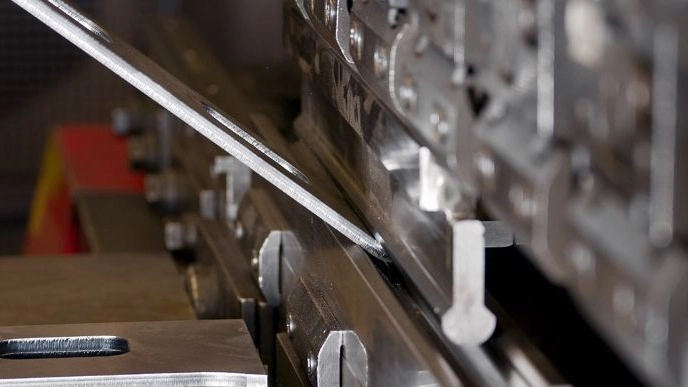
Extrusion
Another method of manufacturing metallic or non-metallic industrial parts is extrusion. Extrusion involves pressing hot metal or plastic through a die. Like squeezing a tube of toothpaste. Extrusion of metal parts usually requires post-finishing, such as cutting, drilling or machining, but is ideal for high-volume parts that require a constant cross-sectional area. Because extrusion profiles can have almost any shape with a continuous cross-section. A great example is the door and window profile, with several features to secure different frames in the set. These frames can even be hollow, such as square, round or hexagonal tubes. Manufacturers determine the structure of the mold when creating it.
3- Metal casting
Metal casting is a long-term production process of manufacturing industrial parts. It involves pouring liquid metal into a mold. In this method, the liquid metal is hardened to the desired shape, then it is cooled and removed from the mold. Metal casting is a modern and automatic method and uses advanced tools. But its principles are fixed and its widespread use is a testimony to the success of this method.
How does it work?
The metal casting process begins with pattern making. Patterns create holes in the mold before being poured into the liquid metal. Modern pattern making methods use precise calculations to achieve the desired shape. These methods include scaling to account for shrinkage as well as having the thickness of the chips in preparation for post-CNC finishing.
In many cases, the mold is destroyed during the casting process. Die loss is a planned step during sand casting; in which the formed casting is separated from the sand to reveal the finished part. New sand casting molds are easily made, and the sand is often reclaimed to create new molds.
Metal casting may also involve the use of wax in a process called investment casting. Manufacturers start by making a wax model of the final product, in which the wax is coated in ceramic layers of the mold, which has a pattern formed inside it, before being heated and removed.
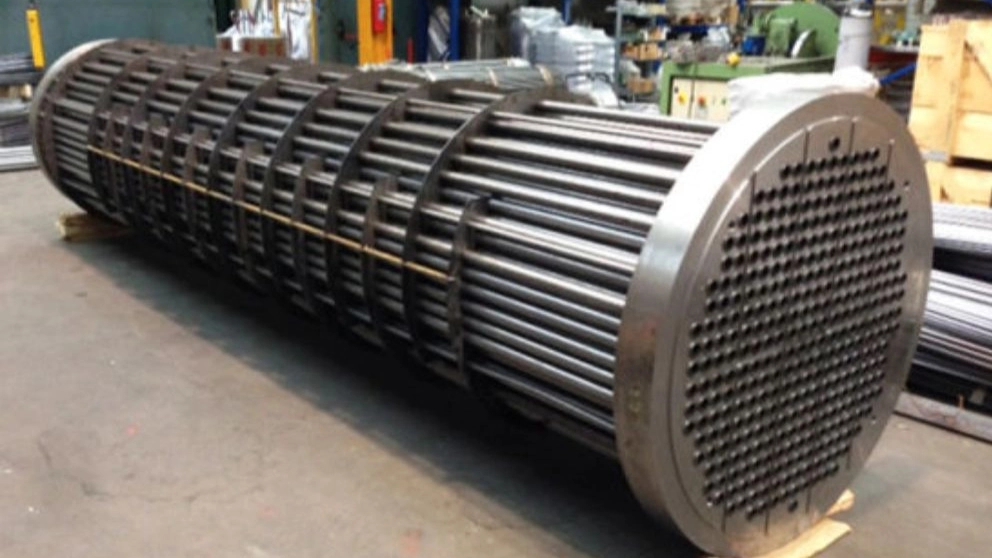
4- Dickesting or casting
Casting is the best option for producing and manufacturing a large volume of industrial parts. In the case of traditional or sand casting, it is the force of the weight of the molten materials that pours them into the chamber. Molten materials being under pressure in all stages of casting, including solidification, increases their strength and diameter. In addition to the fact that there is no more efficient solution than diecast for the production of metals, the shortest way to produce a metal product is the diecast casting method.
5. Metal injectable molding
Injection molding is the most common method for manufacturing plastic industrial parts. But manufacturers also use this method to produce metal parts. Cost-effective for large projects, even with high precision. Although this method is suitable for projects that require small parts, metal injection molding or MIM can be used for parts of any size.