

Application of Lefton Brick in the Building Industry
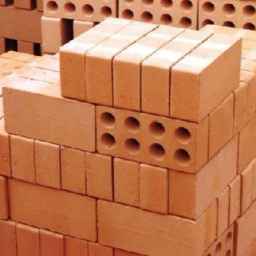
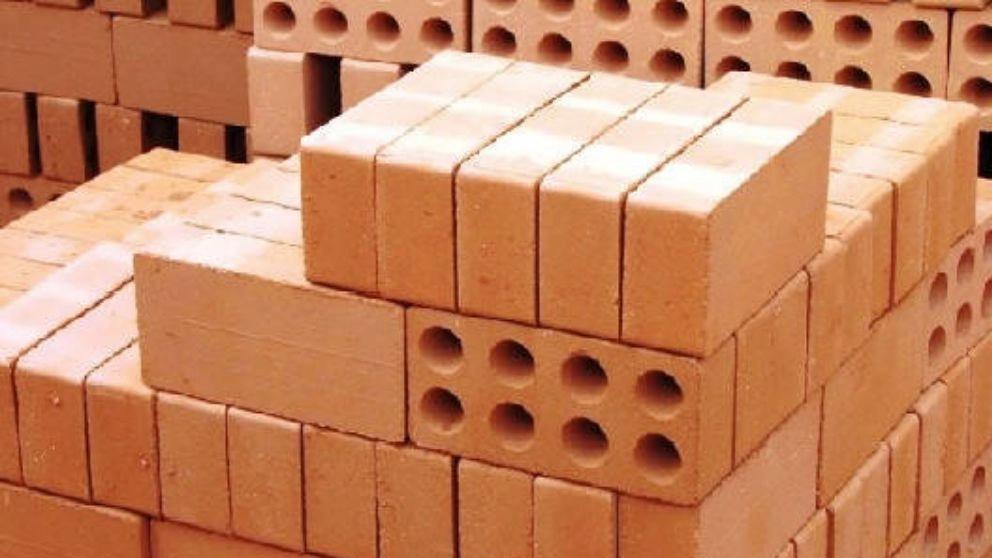
Perforated brick was produced for the first time in Lefton village in Isfahan, which is why it is also called Lefton brick. The existence of a hole on the surface of this brick leads to the creation of a vacuum and insulating properties, and it also causes the Lefton brick to weigh less than other bricks and absorb a little water. This feature has caused the perforated brick to quickly replace pressed bricks in construction and become one of the most popular bricks.
Cause
The difference between perforated brick and brickwork is related to the holes on it. Brickwork is heavy and because it increases the weight of the structure, it cannot be used for multi-storey buildings. But the existence of a hole in the Lefton brick has caused their weight to decrease. These holes also create a vacuum space and partially insulate the walls. Among the bricks with holes, the brick with ten holes is more famous than the others.
Machine bricks or Lefton bricks have many advantages. This has made these bricks to be used in many parts of the building and often in humid and tropical areas. Among the advantages of this brick, the following can be mentioned:
✅ The holes of the Lefton brick allow the vertical penetration of the mortar, and thus the building will have more strength and resistance.
✅ By passing Rebar between the holes of Lefton bricks can increase the strength of load-bearing walls.
✅ Due to the light weight of this brick, it is easier to transport and does not increase the weight of the building.
✅ Lefton bricks with Due to their anti-acid capability, they have a high resistance against different atmospheric and environmental conditions.
✅ Perforated bricks require less compounds and mortar in terms of production and also arrangement.
✅ Lefton bricks due to their very low porosity. which have less moisture absorption.