

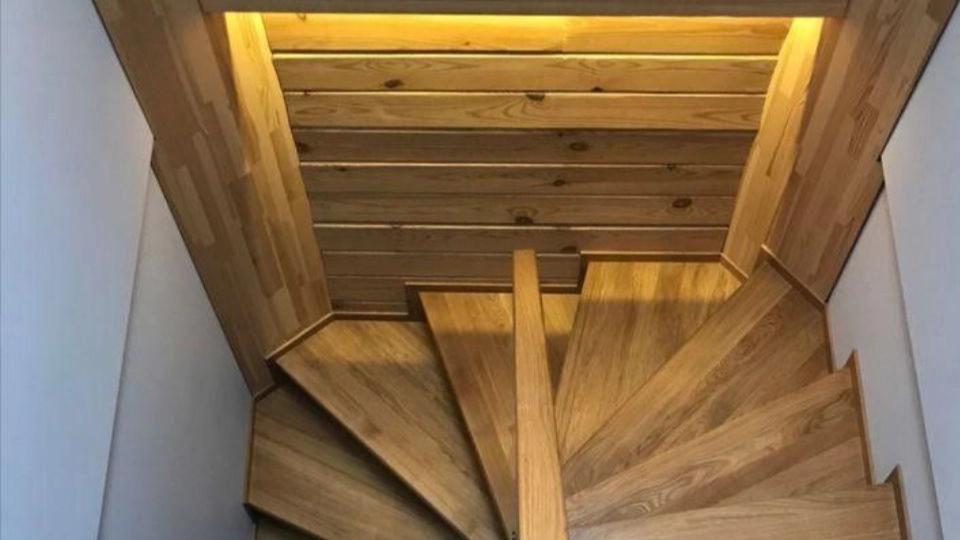
In terms of botany, it is the solid and hard part under the bark of the stem of a tree or other woody plants, which exists in the form of vascular tissue. Although in the general belief, wood is found only in trees and bushes, from a scientific point of view, it is present in all vascular plants. . The following ducts can be seen in the wood:
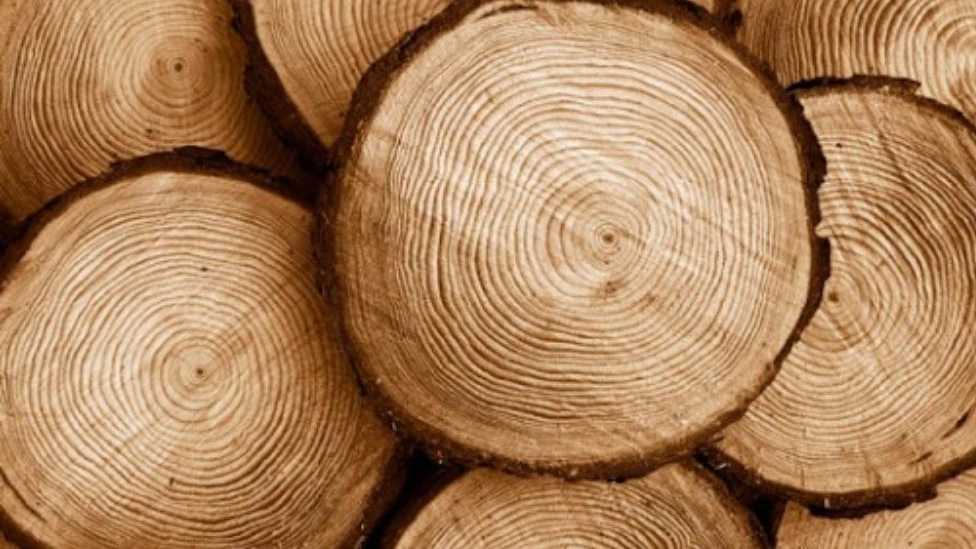
1 Wooden tissue or woody ducts, which carry raw sap, water and soluble mineral salts from the roots to leaves and aerial buds.
2 Drainage vessel or Liber ducts, through which the ready food for the leaves (product sap) circulates in solution form to feed the rest of the plant.
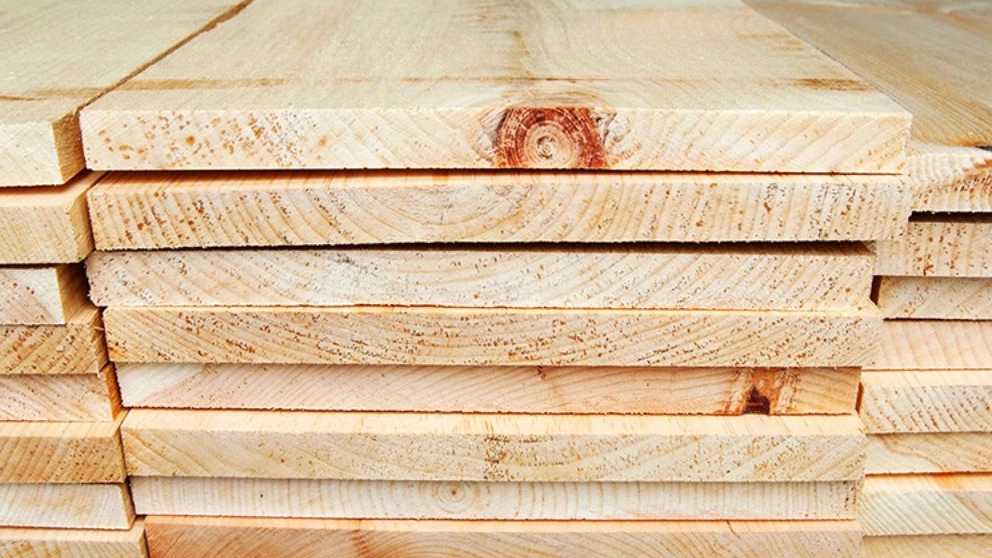
Wooden ducts are formed by dead cells and wooded walls. In both cases, protoplasm (the living part of the cell) appears and the walls are increased by the deposition of lignin material (from which the hardness of wood is derived). They put xylem vessels and drainage, this layer is called cambium. The cambium is divided into two parts: inner (xylem) and outer (hyster). As the old cells collapse with the continuous growth of the trunk, the new layers of the blood vessels do their work. Wood is undoubtedly one of the best and most useful raw materials in nature, and without it, mankind would never have reached the current level of progress and well-being.