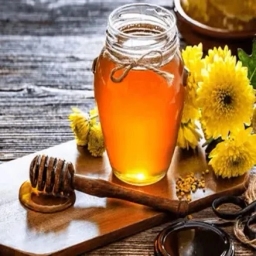

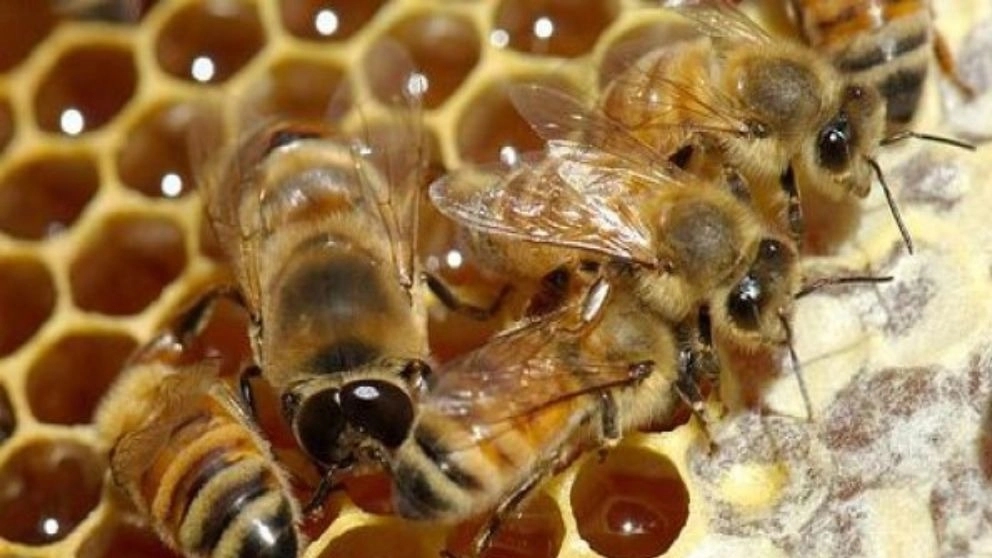
☑️ How is honey being produced?
Honey is a product made by bees. Some people think that honey is bee excrement, but they are completely wrong. Honey producing bees have a honeycomb and another stomach for food. Bees have a digestive system like any other creature and they are very clean creatures that never pour their excrement inside the hive and leave it outside the hive. These bees are also very sensitive to air pollution and do not allow any contamination to be transferred to honey.
Honeys that are collected from different places have very different flavors. For example, if bees are near flowers, they collect flower nectar and honey tastes like flowers, and if they are near thyme flowers, honey also tastes like thyme to some extent.
☑️ Natural Honey Production Processes
We want to check how honey is produced by bees. During a process, bees turn the collected pollen into nectar and pour this nectar into their hexagonal cylinder and store it. Bees have two stomachs, one for storing honey nectar and the other for digesting their own food. But honey is brought up through the mouth and transferred to the hives.
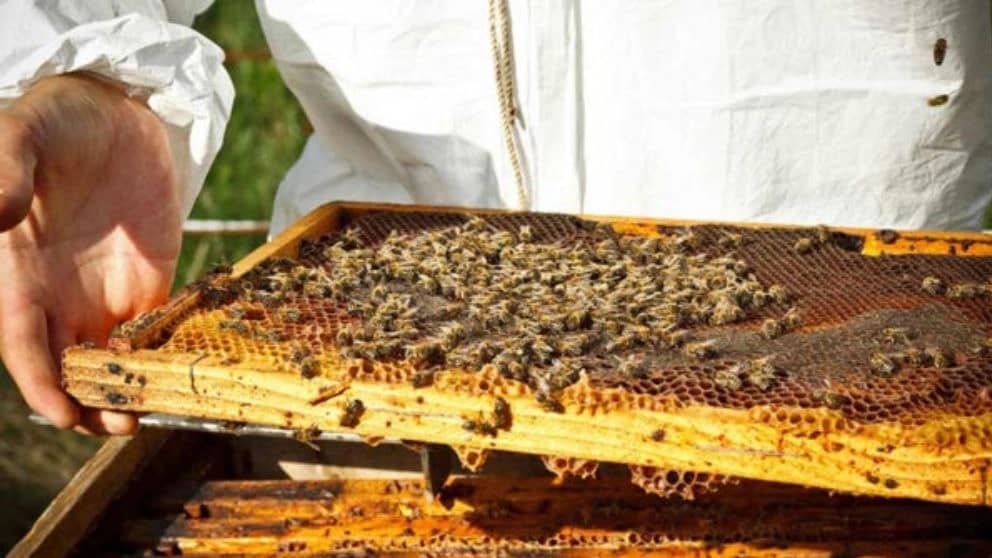
To produce one kilo of honey, bees must travel a distance equal to 3 turns around the earth. Microorganisms in honey sugar do not change the ingredients in honey for a long time and keep their color constant. Honey is produced in 3 main stages:
☑️ Collection of nectar
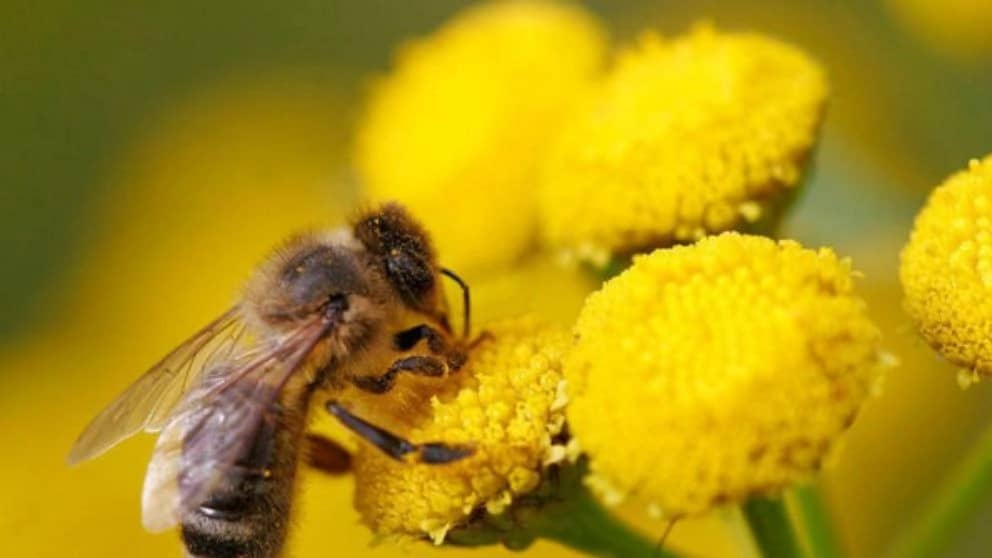
ZWorker bees can fly up to 5 kilometers away from the hive. During suitable and favorable weather, worker bees fly and sit on the flowers and sap of some trees. The honey bee uses its proboscis to suck flower nectar and store it in the first stomach, which is dedicated to storing flower nectar. You may be wondering how much nectar each bee collects in one flight? In answer to this question, we must tell you that each bee can collect up to 40 mg of nectar in one flight. But it is interesting to know that half of the 40 mg of nectar he collects is water, which he absorbs while flying to the colony.
☑️ Thicky nectar collected
In the second stage, the collected nectars turn into honey. 40% of the collected nectar contains water. On the way back, these bees add enzymes to the nectar in their beehives, which break down the sugar molecules in the collected nectar and turn it into natural sugars, glucose and fructose. do
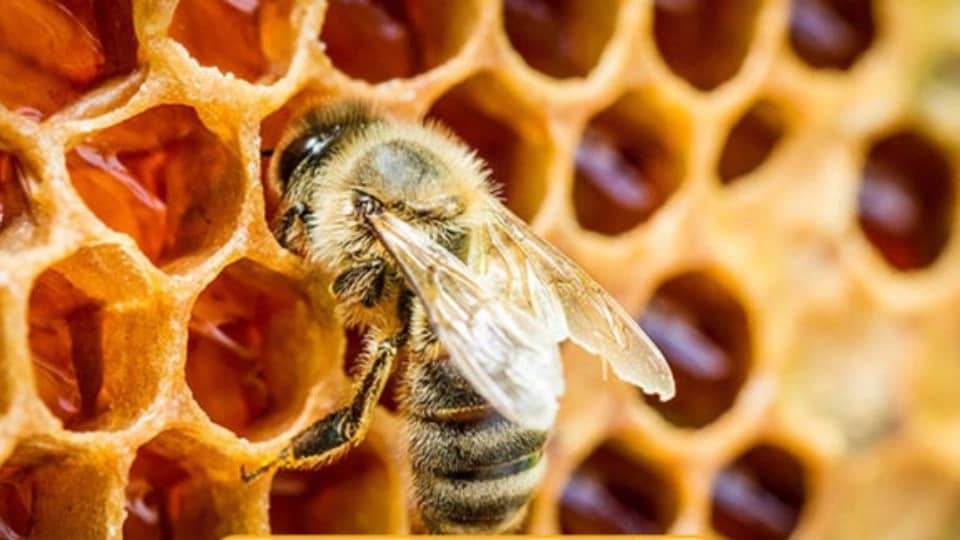
When the worker bees return to the hive, they deliver the collected nectar to the worker bees inside the hive and return to nature to collect more nectar. The bees in the hive must reduce the water of these nectars and turn the nectar into honey by thickening it. The worker bee inside the hive sucks the nectar with its proboscis in many stages and returns it until the water in the nectar is reduced from 40% to 18% and turns into honey. When the honey reaches the desired concentration stage, it is poured into hexagonal cylinders. To evaporate the remaining moisture of honey, by beating their wings, they evaporate the moisture from inside the cylinder.
☑️ Sealing Honey Cylinders
When the bee fills the cylinders with thick honey and shakes its wings, it takes the moisture from the honey and it is time to seal the cylinders. Bees use wax to apply thin scales on the cylinders and this means the completion of the work.
At this stage, the beekeepers harvest the bees and send them to the market.
☑️ Bee Beefin for Nature and Humans
Honey bees are one of the most useful insects for nature and humans. Nearly 6,000 bees live in each hive or colony and in a way they teach us all how to live socially. The products produced by bees include pollen, honey and royal jelly, and these products, with their many properties, can guarantee our physical health and cure many diseases such as stomach pain, heart diseases, etc. will treat
Bees not only help the health of humans but also give life to nature. With the arrival of spring, fruit trees need pollination. When pollination is not carried out, the trees will be less fruitful and many losses will be caused to gardeners and nature. When collecting nectar from the flowers of the trees, a lot of pollen sticks to the bee's feet. If you have noticed that there are thin hairs on the bee's leg, when it sits on the flower, a lot of pollen sticks to the bee's leg, and when the bee goes to another flower, the pollen moves during these stages, resulting in a pollen Successful spraying happens.
☑️ Bee Beehs of Bee St.
Research has proven that bee stings bring many healing properties to humans. A bee sting is somewhat scary and it hurts a lot. But you should know that bee sting has many properties. Bee sting has an acidic substance that is completely colorless and contains very useful compounds of minerals, amino acids, sugar and enzymes. Today, apitherapy is introduced to treat some diseases. In this treatment, you will be injected with bee sting supplements, which are very useful for the health of the body.
☑️ Is honey bee stool?
some people mistakenly think that honey is bee excrement. In answer to this question, I should say that milk is cow or sheep urine. It's a bit funny, there is definitely no such thing. The important thing to know is that honey is neither bee excrement nor bee saliva. Rather, honey is a food that the bee collects and obtains from the nectar of flowers and plants (as explained above) in the hot seasons in order to feed on it in the cold seasons. The beekeeper's job is to move the bee to different places to produce more honey so that we all can use it in the best way.