


Rose appearance:
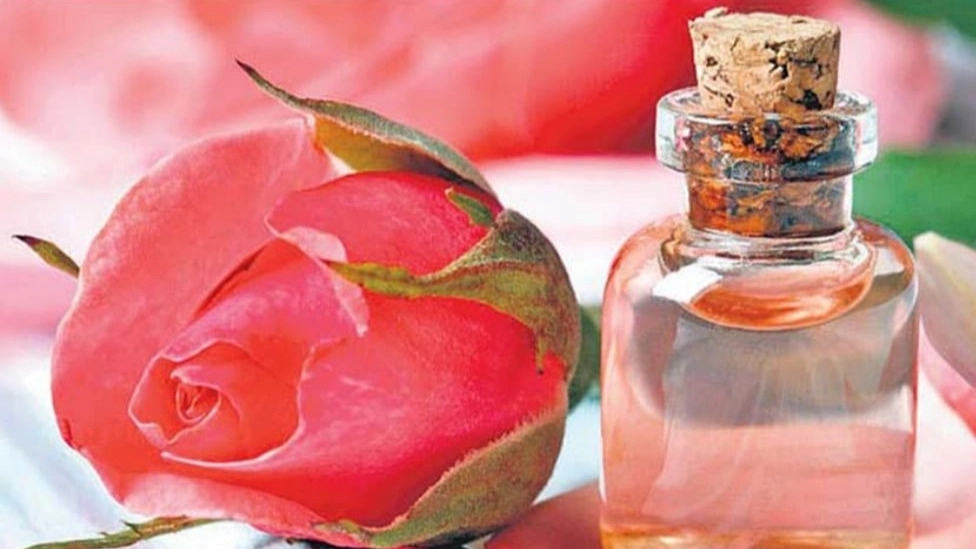
Original and high quality rose, completely clear and without color. In appearance, it is no different from drinking water. If you see the slightest turbidity in the color of rose water, doubt its authenticity. Also, the presence of any impurity and sediments such as tiny suspended particles in rose water can be a sign that it is fake. Aroma is another factor to distinguish genuine rose water from fake. Counterfeit essential oils are abundant in the market. Mixing a small amount of these essential oils with water can evoke the smell of original rose water for the buyer. For proper detection, pour some rose water in a flat container like a plate. If the scent that comes from it is very pungent and disappears quickly, know that it is a fake rose water that is made with a combination of chemical essences. Original rose water has a pleasant and non-spicy smell, and if it is released, it fills the environment with its pleasant aroma for a long time.
The taste of rose water:
tasting is another way of diagnosis. Almost all herbal spirits have a bitter taste and are somewhat gassy. This bitterness is also present in fake rose water. But the difference is easily palpable. The bitterness of original rose water does not last long after drinking and is quickly resolved. But the bitterness of fake rose water is annoying due to the presence of essential oil compounds and remains in the taste for a long time. In addition, no matter how bitter the original gulab is, it is not spicy. The feeling of burning and spiciness, especially at the tip of the tongue after consuming and drinking rose water, indicates the presence of 100% essential oil in the composition and confirms that it is fake.
Factors Affecting Rose Damage
1- The entry of pollutants:
Anything that enters the rose water container from the outside increases the possibility of contaminations being transferred to the rose water. Biological contamination causes premature spoilage of edible products. This pollution can even be a drop of water.
2- Air:
Air can cause oxidation. A chemical process that has a destructive effect not only on the smell and taste, but also on the chemical composition of rose water. Rose water should be well sealed in a closed container to stay away from air flow. 3- Heat: Rose water should not be exposed to direct sunlight. The generated heat provides a suitable environment for the growth of microorganisms. At the same time, it can cause the loss of color and smell and change in its chemical composition. This interval is a standard time when microorganisms have not yet reached the ability to effect growth and reproduction. The more time passes from the production of edible products, the more their growth and activity increases. They just wait for the passage of time and work very patiently. From one point on, due to these changes, rose water will no longer be usable.