

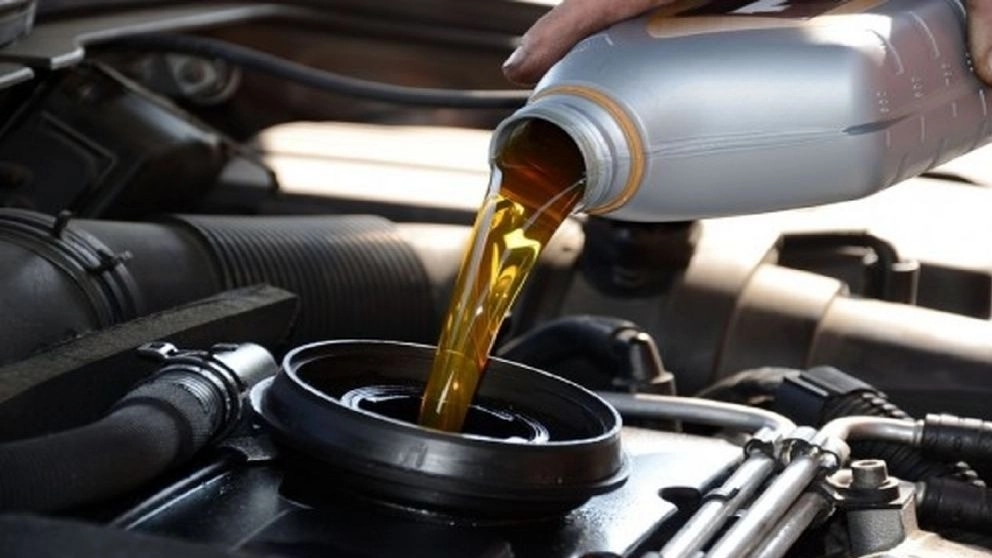
✔️ What is the engine oil?
Motor oils are complex compounds consisting of base oil and a variety of additives that are designed to perform different tasks, such as: separating and lubricating moving parts, reducing engine wear, preventing the accumulation and formation of deposits in the internal parts of the engine, cooling components. engine, optimal engine fuel consumption, providing engine resistance against a wide range of temperature changes, protecting the system against gas production, removing pollutants and postponing mass accumulation. So it can be said that the function of engine oil is much more than just lubrication, that's why most people buy engine oil with sensitivity and a little obsession because they are worried about the longevity and wear of their car engine. In general, engine oil is used for lubrication in the industry. All kinds of engines and mechanical equipment are used. By buying the right engine oil and using it in our vehicle, we will see an increase in the efficiency and effectiveness of the car engine, because the friction and erosion between the engine parts is reduced and its efficiency increases as the engine cools down. The right engine oil prevents gas production. Chemical filters wear out over time, and replacing them involves an exorbitant cost. A quality engine oil prevents the production of gas by reducing the destructive effects on the equipment.
The base oil (produced from crude oil) found in engine oil alone does not perform the task of cleaning and protecting the car engine, but due to the additives that are added to the engine oil, the quality and efficiency of the engine oil increases. These additives It includes substances such as oxidation inhibitors, anti-wear substances, cleaning substances, anti-rust substances and suspending substances, which play an important role in cleaning and proper combustion of the car. Mass accumulation inside the engine is part of the natural process and mechanism of fuel combustion. Therefore, it is essential to keep engine components clean. If the engine components and the oil passage are contaminated, they will definitely affect the efficiency and effectiveness of the device. Also, the accumulation of sediments causes heat retention inside the engine and will act as a non-conductive insulation and the efficiency of the engine will decrease.
✔️ How does engine oil protect the car's motor?
Protection through engine cleaning Protecting the engine by reducing friction and reducing wear Protecting the engine by removing heat and increasing engine efficiency Prevention of corrosion and rust
Motor oils not only prevent the accumulation of thick sludge in the engine, but are designed in a way to remove the thick sludge, pollution, particles caused by erosion and sediments from the surface of the engine and prevent the blockage of the important oil passageways. Engines cover the engine components like a protective layer and contain special additives that are placed between the moving surfaces, preventing their contact, reducing friction and finally preventing the deformation of the components. This helps the engine to maintain the quality and efficiency of the first day of clearance from the factory. Engine oil removes heat from hot spots such as the piston ring, where the temperature reaches 600 degrees Fahrenheit, and prevents the engine's essential parts from overheating. It protects the oxidation and corrosion caused by it.
✔️ Common Engine Oil Terms
Viscosity, SAE standard, API standard, monograde engine oil, multigrade engine oil, synthetic engine oil, semi-synthetic engine oil, mineral engine oil
✔️ Monogrid or single -degree engine oil
These engine oils are not suitable for four seasons and cannot be used in all seasons. In other words, they have the ability to work at high or low temperatures, and they are not able to properly lubricate the car engine in different temperature conditions. These types of oils are rarely used in today's cars. Because if you use this type of engine oil, you have to change the engine oil as the weather gets cold and hot in different seasons, which is not very logical.
✔️ Multi -Grade or Multi -Degree Motor Oil
These oils are called four-season oils, in other words, they have the ability to work in high and low temperatures at the same time. These engine oils are diluted in the cold season so that when starting on a cold day, the engine starts up quickly and there is no damage. It does not reach the engine. In the hot season, it has a high viscosity, which means it has a high concentration, and it lubricates the engine well, and it does not lose its concentration easily, so that it is not damaged in the hard working conditions of the engine. This type of engine oil has There are different viscosities at different temperatures and this makes them behave differently at different temperatures.
✔️ Mineral Motor Oil
Mineral oils are produced from crude oil and are among the most basic motor oils. These oils are also called mineral. Much less of these oils are used in the engine of new cars.
Semi-synthetic motor oil: This motor oil is obtained from a mixture of synthetic motor oil and mineral or simple mineral motor oil. These oils have better performance than mineral oils and are more expensive than mineral oils. The point here is that if mineral oil is recommended for your car, do not use this oil and always use the recommendation of the manufacturer as a criterion for your purchase.
✔️ Synthetic Motor Oil
✔️ Engine oil viscosity
Viscosity or viscosity of engine oil, which is usually talked about, refers to the resistance of an oil or fluid to flow. The viscosity of engine oil changes with temperature changes, so the hotter the oil gets, the viscosity decreases. That's why Basically, the higher the viscosity of the oil, the lower the viscosity of the oil changes due to the increase in temperature, and the opposite is also true. It shows numbers like 20W50 and has established different standards for motor oils for different air temperatures. The letter w in this standard stands for winter, which means it is a four-season oil. Now suppose you have bought a motor oil with a viscosity of 20W50. This engine oil has a viscosity between 20 and 50. In other words, when it is hot and at high temperature, it has a viscosity of 50 and when the engine starts or is cold, it has a viscosity of 20. We call these types of oils multi-grade oils. . These types of oils provide proper lubrication at low temperatures (especially when starting the car) and high temperatures. On the other hand, there are monograde or single-grade oils that have the ability to provide proper lubrication at high or low temperatures and do not support a wide temperature range like multi-grade oils, in other words, they are not all-season.

The point that should be noted in order to prepare engine oil with the right viscosity is to use the engine oil recommended by the car manufacturer and not to buy oil based on the suggestions of others. Due to the advancement of technology, today's engine oils can have different viscosities at different temperatures. For example, an oil with a viscosity of 10W40 is recommended for a Samand car with a national EF7 engine.
✔️ API engine oil standard
The standard of the American Petroleum Institute is one of the factors determining the quality of engine oil, which is represented by a special 2-letter word. The first letter is the type of fuel (gasoline or diesel) and the second letter represents the quality of the oil. For example, the SA /SB/SC/SD/SE/SF standards are the standards of Benrini engine oil that are obsolete, and the SJ/SL/SM/SN standards are currently used more often.
✔️ Tips on Motor Oil
When buying engine oil, be sure to consider the local weather conditions where you are driving and living. Because in very cold or very hot weather, you may need to use an oil for the car whose viscosity is suitable for that water and air so as not to damage the car engine. Do not use oil whose production date has passed three years. After starting the car and before driving, wait 30 seconds for the initial lubrication to take place in the engine. Choosing mineral or synthetic engine oil is not a matter of taste and should be done according to the recommendations of the car manufacturer If the air and oil filter is replaced on time, it will increase the life of the engine oil. If you notice that the engine oil level is low, be sure to add the same oil to the engine as before. (same brand and same model) If you are in traffic most of the time or if you are driving at high speed or with a heavy load, change the car's engine oil early.