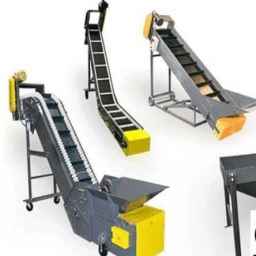

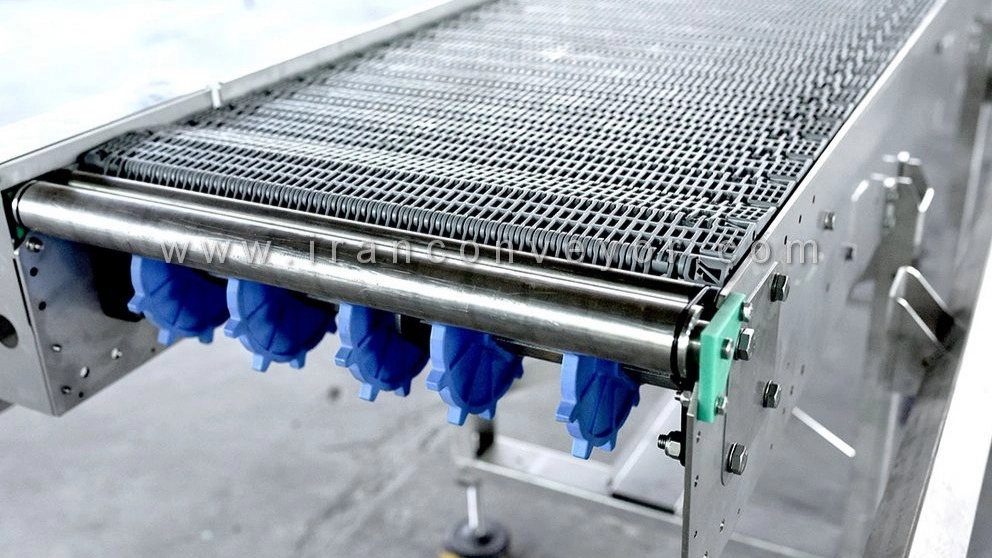
Conveyor belt in Farsi is translated from the combination of two English words Conveyor Belt, which of course is also referred to as conveyor belt or conveyor belt. In Iran, the words conveyor belt are often attributed to the movement system of the conveyor belt from the base, which consists of the engine, gearbox, The roller (initial and final drum) is formed, which form the complete system of a conveyor, and the tape on which the transported materials are placed is called the conveyor belt.
History
The first conveyor belt was used in the 19th century.
In 1892, Thomas Robbins invented a series of products that led to the development and use of conveyor belts in Mines were used to transport minerals such as: coal, ore, etc.
In 1901, Sandvik began to manufacture and manufacture steel cord conveyor belts. In 1905, Richard Sutcliffe produced and supplied the first special conveyor belt for transporting and moving coal in mines, which led to a great industrial revolution in the mining industry. In 1913, Henry Ford assembled conveyor belt lines. In 1972, the French REA Society created the longest conveyor belt transmission system with a length of 13.8 kilometers. In 1957, Goodrich Rubber Company in America He began to produce and supply a type of conveyor belt that continued until reaching the mass conveyor belt system. This system, having one less screw, had a longer life than the old conveyor belt because it covered the entire surface of the conveyor. This type of conveyor belt is no longer produced because today's belts without any twist have a longer life and They have more layers. In 1970, the company "Interlax" in the city of Louisiana registered the exclusive right to produce various types of rubber conveyor belts.
Structure
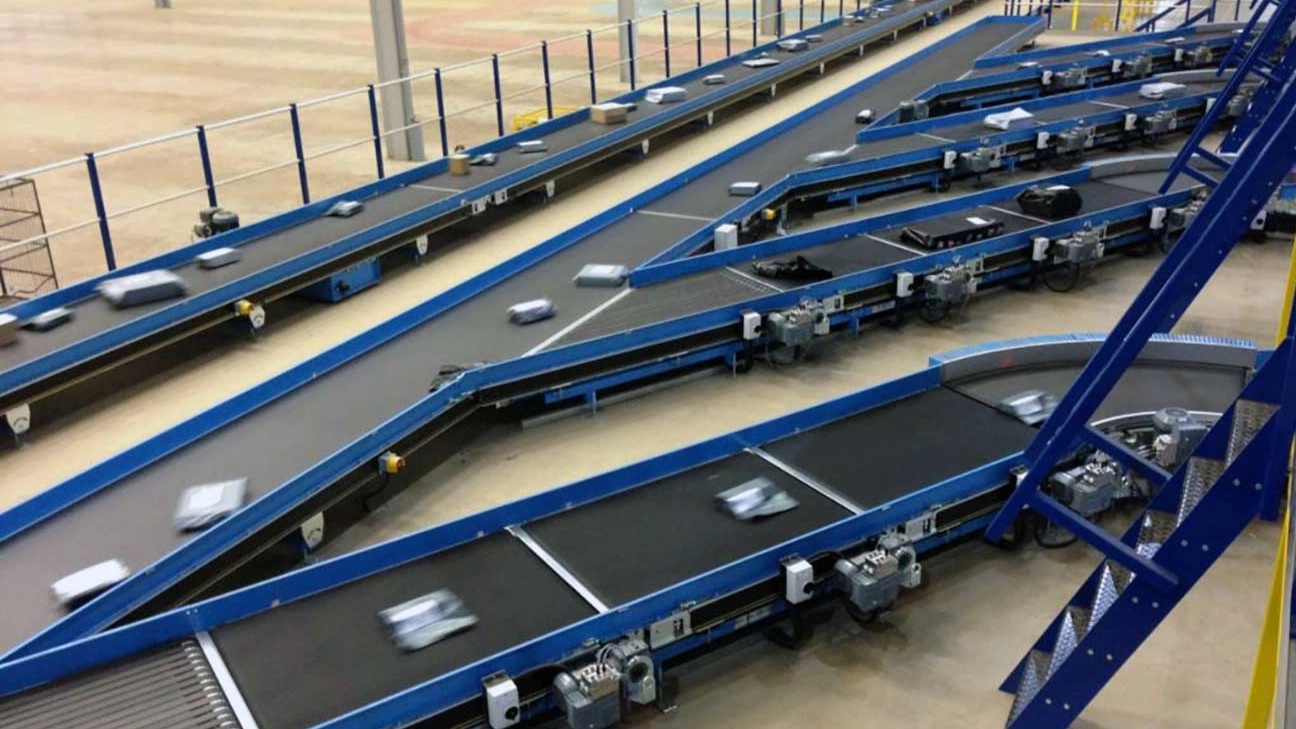
Conveyor belt has one or more layers and usually has three layers: upper rubber cover, runners and lower rubber cover. They are in the middle layer, which are embedded in the conveyor belt for longitudinal and transverse resistance. The most common manjid materials are: steel threads, polyester, nylon, ketone and aramid.
The cover layers are usually made of rubber or plastic. Metal conveyor belts are used when more endurance is needed. For example, conveyor belts with higher resistances are made of steel threads. This type of conveyor belt with a resistance of 10,000 newtons/mm is used in the Chiqui Camata mine in Chile, the second largest open-pit mine in the world. In Chile, the use of polyester, nylon and ketone conveyor belts with low strength is common, and aramid with a resistance force between 630 and 3500 N/mm is also used. The advantages of using conveyor belts with aramid layers are energy saving, increased lifespan and increased productivity. For example, an aramid conveyor belt with a resistance of 2,250 newtons/mm and a length of 3,400 meters is used in the Baodin coal mine located in China, which according to the official report has saved 15% of energy. One of the most important factors in determining the price of a conveyor belt, which we mentioned earlier in this article, is related to its structure.
Application of conveyor belt
Today, different types of conveyor belts are used depending on the type of industry, which are often rubber or PVC. The weight of fluids and the type of transported material are very influential in deciding to choose the required conveyor belt. Conveyor belts with specific blades, known as elevator belts or bucket elevators, are used to move materials vertically. which are used for loading onto trucks.
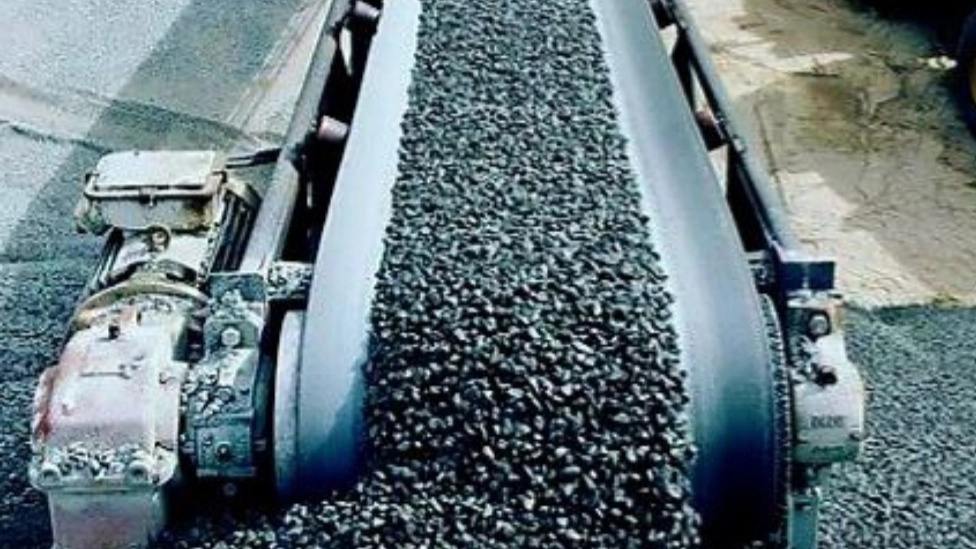
Conveyor system technology is widely used in escalators, airports, stores, and also in the assembly line of factories. In parent industries such as mining, steel, cement, agriculture, recycling, etc., the efficiency of the conveyor belt is considered inevitable.