


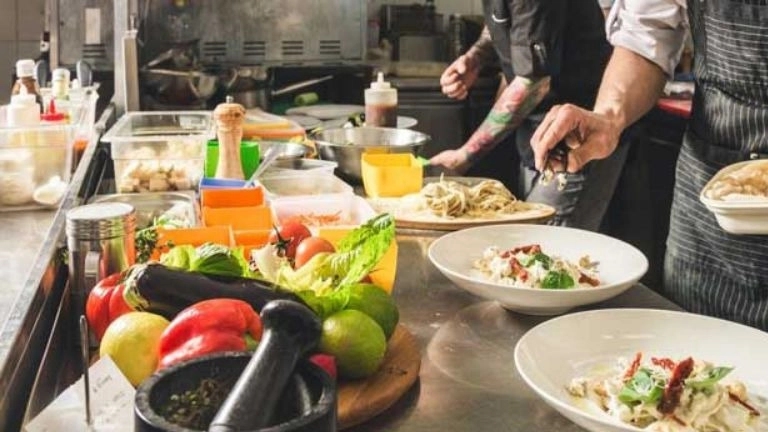
Technology suitable for kitchen management
For some restaurants, technology can play an important role in bridging the gaps where kitchen management may be overwhelmed. Everything from online ordering systems and restaurant apps to kitchen display systems integrated with point-of-sale systems can digitize traditional pen-and-paper operations for more efficient ordering and fulfillment. Orders can be entered into the system and displayed digitally for the kitchen. It can even prioritize orders based on cooking time and provide data on performance and order history. This is the only way technology can create better communication and take some of the management burden off.
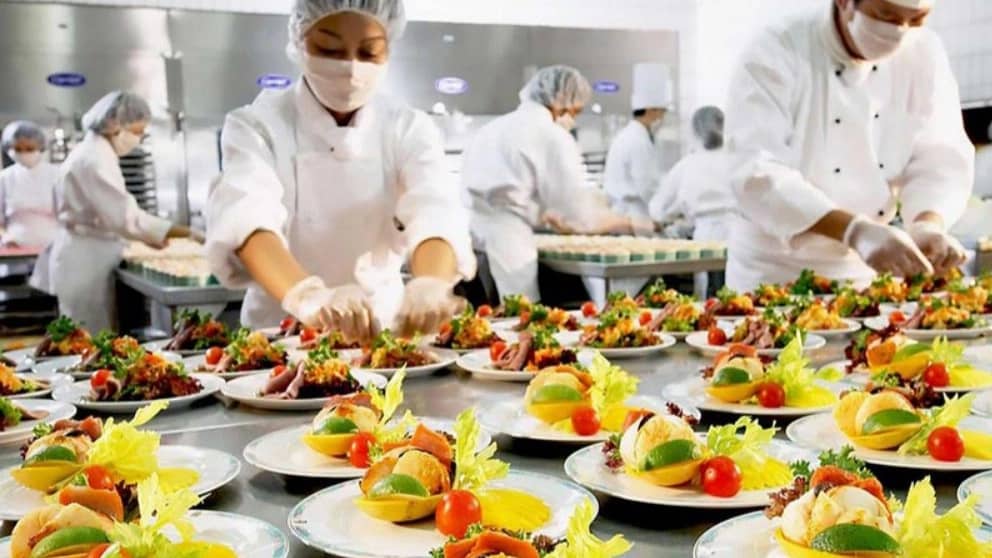
Sanitation Management: Keeping the kitchen clean and tidy not only prevents food contamination and ensures that the restaurant complies with all health regulations, but also provides a better and more efficient work environment for everyone.
Essential Skills for Kitchen Management: Since kitchen management involves various responsibilities, it is not necessarily a job for everyone. A successful manager must possess the following qualities:
Creative: They must find new solutions to problems and ways to improve the restaurant and ensure that customers keep coming back.
Cold: You must be calm under pressure. Be.
Passion for cooking: It is important to be passionate about the type of restaurant and food you serve and manage.
Strong work ethic This is a hard job with long hours.
Natural leader :You have to lead employees as well as perform administrative tasks.
Recognize and reward employees for a job well done. Provide incentives for exceptional performance.
Be a clear communicator: If employees are not aware of the restaurant's goals, individual responsibilities, and accountability mechanisms, it is up to kitchen management to fix these issues. Sharing a vision and long-term and short-term goals as a whole business can have a unifying effect.
Be critical: When communication breaks down and there is a problem, kitchen management must Open your ears and let employees know they are heard and their concerns will be addressed. Invest in employee growth and development. Offer training programs and other professional opportunities that make employees feel valued. Help them achieve their career goals. Even coaching can be an effective way to support employees. You create a better, happier workforce and improve retention. Help employees find a better work-life balance. The restaurant industry can be stressful. Managers should help employees avoid burnout so they can stay happy and healthy.
Create a safe work environment: Injuries can happen in the kitchen, but you can do your part to implement and enforce safety guidelines. These guidelines can help you navigate this and make improvements.
The final word of restaurant management comes with many rewards and demands. It's good to start with a clear understanding of what the position requires and what skills you need to enhance. From there, look for technology that can help streamline and automate processes to make tasks easier for all employees. With the right tools, you can manage your kitchen and restaurant efficiently and stress-free.