
Barbecue History
There are different stories about the invention of chalukbab in Iran. For example, in his memoirs, Etimad al-Sultaneh attributed the arrival of Chalo Kebab to Iran to Naseruddin Shah. Therefore, the first barbecue was at that time and in the market of Tehran. Considering that this Qajar king was influenced by Europeans, this claim does not seem so unlikely. Other documents in this context indicate that the first grill was built in Tabriz. The first kebab shop in Tehran where women could also attend was Chalukbabi Abbas Shemroni (later Chalukbabi Fard Shemirani), which was located in Amin-ul-Sultan square. In the past, Chalukbabis would bring rice and butter to the customer at the beginning, and then the waiter would skewer the kebab for him. Some grills were also such that they grilled the customer until he was satisfied, and the number of grills had no effect on the cost. According to the writings, it seems that at that time, the grills were in the shape and image of today. They were not, and it was the innovation of the cooks that gradually turned into the current form of kebab, which is a mixture of minced mutton and onion.
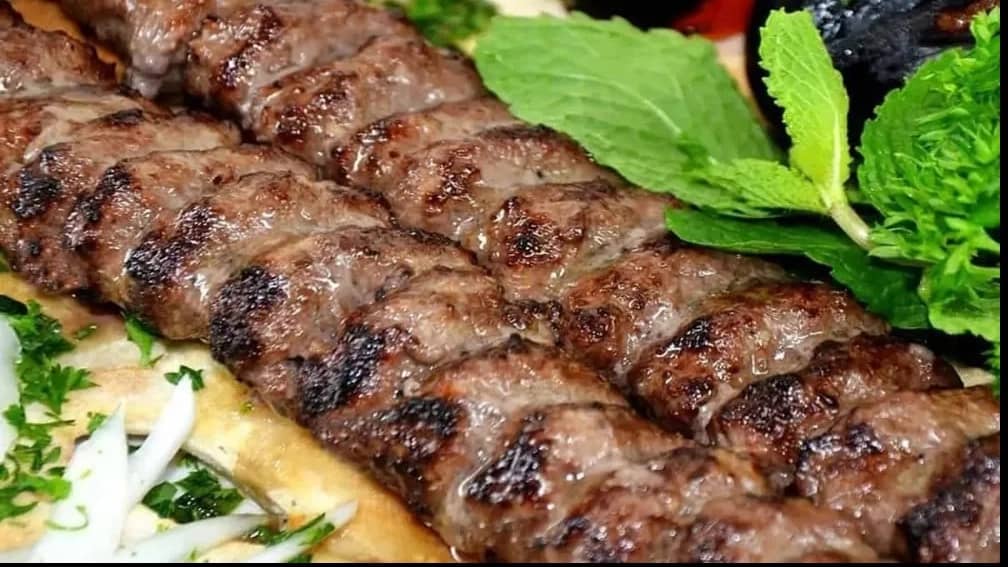
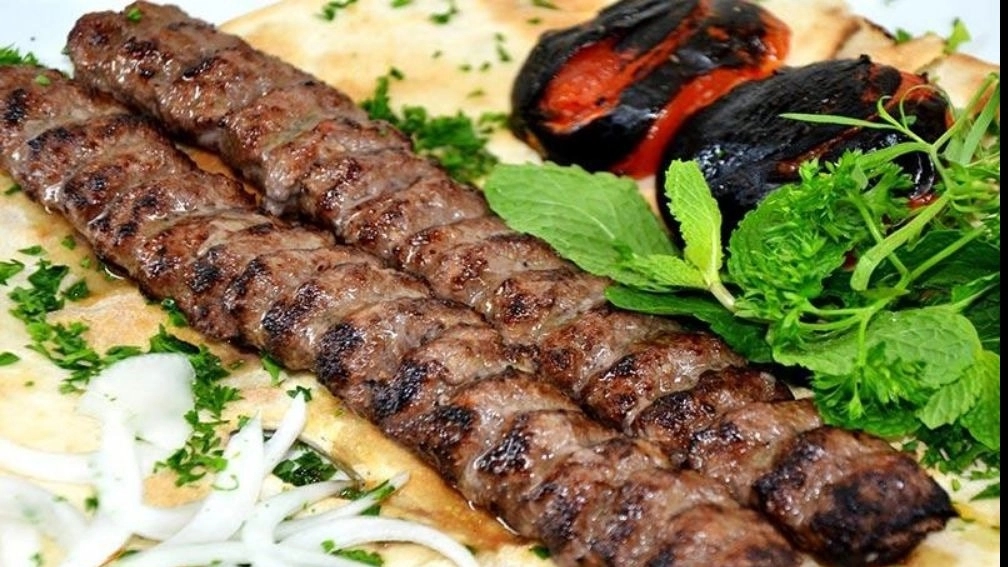
Which type of kebab is more popular than other kebabs?Don't bother to answer yourself, especially those who want to say barbecue chicken, because without a doubt, pounded kebab is the best-selling and It is the most common Iranian kebab and you have to think that the author's personal interest in pounded kebab played a role in answering this question and ignoring the chicken kebab. The reason why Kobideh is ahead of other kebabs should be considered to be fatty and soft and its reasonable price compared to other kebabs. The fact that such a delicious kebab can be cooked from sheep offal, which is part of the pot of broth, is undoubtedly the result of the taste and art of Iranian cooks. Of course, Kobideh has a Caucasian origin, it is said that Naser al-Din Shah, who was of Turkish origin, introduced this kebab to his cooks, and with a little intervention, the Caucasian kebab became today's Kobideh. Right now in Turkey, there is a barbecue called Adana, which is very similar to the Iranian koubideh in its shape, taste and recipe. In the historical books left from the Safavid period, there is no mention of Kobedeh Kebab, if there is any mention of Kebab, it means Kebab Bergh or Chanjeh. On the other hand, in the cookbooks of the Qajar period, the name Kobideh can be found a lot, in some places the word "Kobideh" and in some places with other names such as "Kebab Lulu" or "Kebab Piaz".