
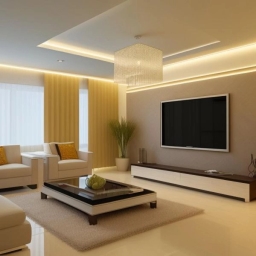

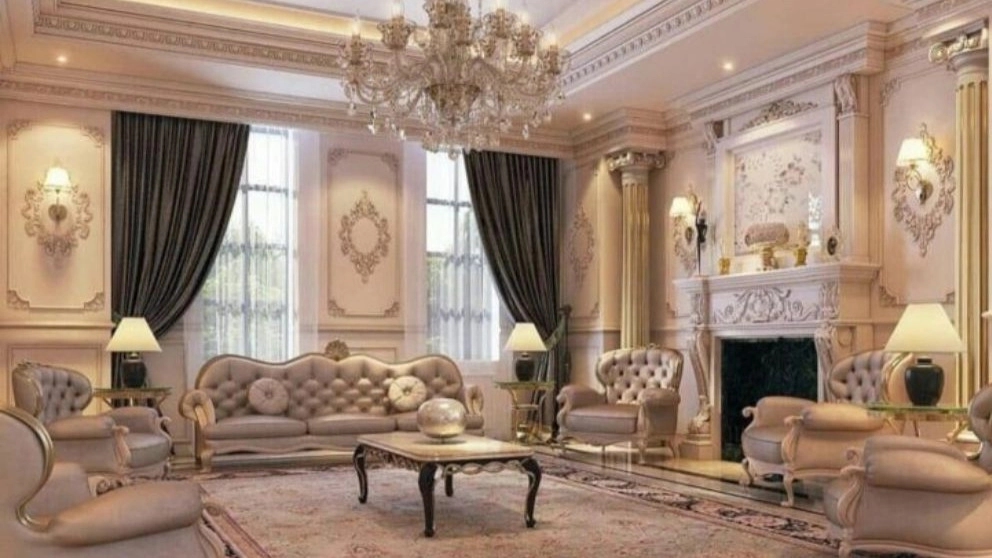
We all spend a lot of time at work and at home. Therefore, the design of decoration and arrangement of workplace and home has a direct effect on our mood. All people want to live or work in a place where they feel calm and comfortable. Interior decoration design has different aspects that can be examined scientifically and artistically.
What is the interior design?
Coordination of objects, devices and furniture to beautify the environment according to the colors and needs of people; In Webster's dictionary, interior design is defined as: "the art or practice of planning and supervising the design and execution of interior architecture and furniture".
Science or art?
When you hear the words interior design and decoration, what comes to your mind? Science and industry or art? Or philosophy? Maybe mathematics too?
This paradox about the identity of interior decoration is considered an old and rooted issue in this profession. Some people consider design to be an art with a philosophical spirit in which only the satisfaction and approval of taste is important, and others consider it an industrial process centered on geometry, and by following its principles, the ultimate goal of design is achieved. >
Important points in interior decoration design
customer opinion and taste
art; Most of the customers like the decoration design of an environment and based on that, they decide to implement the same idea for their living or working environment. This work helps the designers a lot as a background of the customer's taste in decoration design.
This help includes knowing the equipment, color and layout (classic or modern) that the customer likes.
Science; In some cases, science shows itself in the identity of interior decoration. For example, things like the chosen color for the desired environment should be checked with psychology. Because each color brings special energy to people. For example, red is happy and is not recommended for the bedroom, which is an environment for relaxation. Or, for example, dark colors are not suitable for small environments, and if these things are done only with the interest and taste of the employer, we will not reach the final goal of design, which is efficiency and proportion, peace and beauty of the environment.
Efficiency and use of the desired place
It is clear that the decoration design of a house is completely different from a kindergarten or a massage parlor, and each has its own characteristics. .
Art; From an artistic point of view, an environment should be in harmony with the mood of the people who are present or visit there. For example, low light in a massage parlor can help people relax, but high light is more important in a kindergarten.
Science; An environment needs to have different parts according to its efficiency. For example, if the home environment is divided into 4 main parts of reception, kitchen, bedroom and bathroom, it is enough. But an office also needs other departments, which is done by scientific and detailed examination of the needs of that environment, and the desired environment is divided according to the needs.
Dimensions and size of the environment in interior decoration
One of the most important points in decoration design is the dimensions of that environment; because sometimes a design is suitable for a small or large environment; As a result of its wrong application, it makes the decoration either extremely crowded or very lonely and soulless.
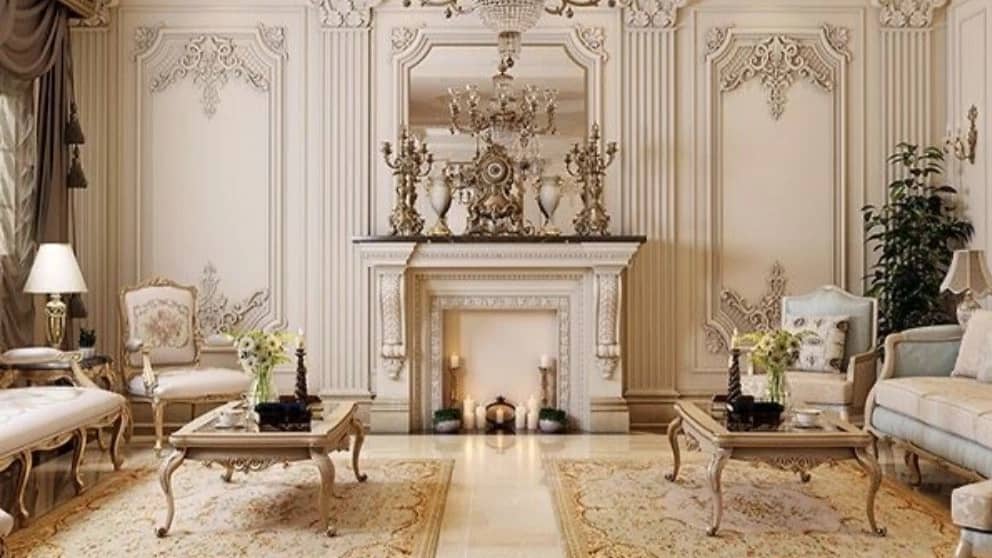
Art; The importance of the artistic part of decoration design in this part is that the designer knows all the points related to the proportions of various styles of arrangement and uses them correctly. For example, for small environments, modern decoration is more beautiful than classic style, and vice versa, in large environments, classic decoration can be very attractive.
Science; The biggest role of science in design is related to the proportion of dimensions and sizes. Because if proportions and principles and rules of design are not observed in the designed environment, the environment will either be extremely crowded or too lonely. These two can lead to disorganization and the loss of open spaces needed for traffic, or in the second case, create many extraneous spaces. In any case, by carefully and scientifically examining the dimensions of the environment, you can make the most of the environment.