
ساخت فیکسچر تیتانیومی مخصوص خطوط آندایزینگ
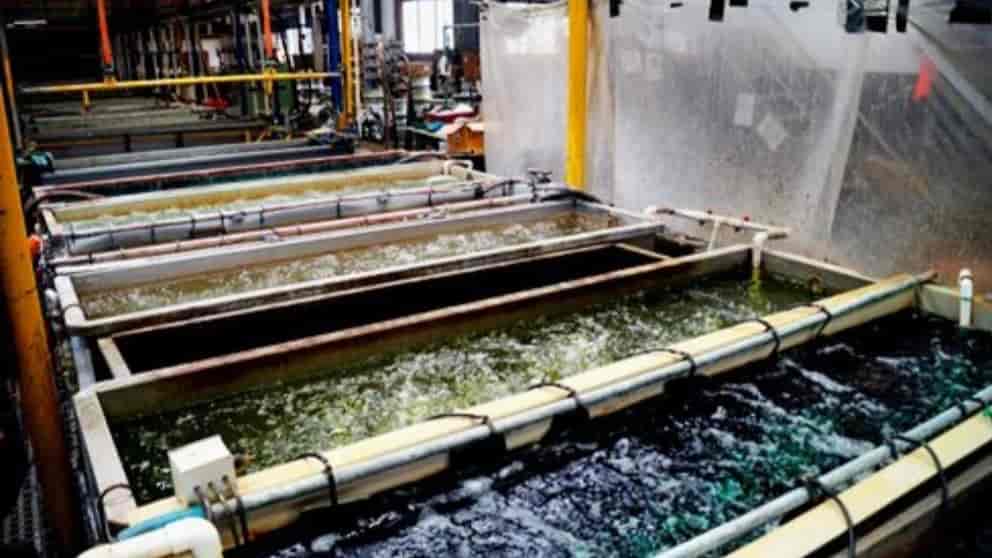
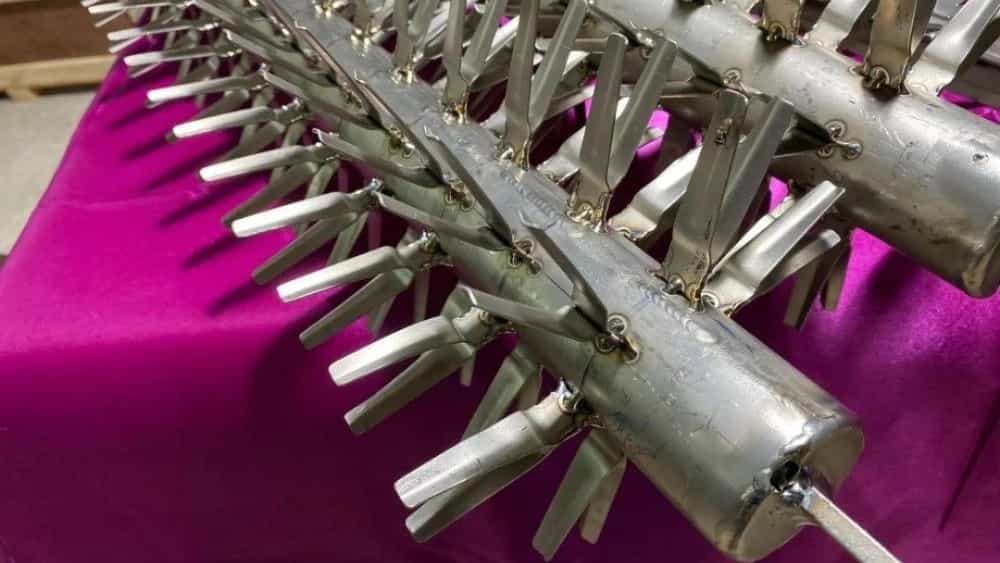
In anodizing lines, the quality of the final coating does not depend only on the combination of chemicals and bath settings; How to maintain the part and transfer electric current also plays a decisive role. Choosing the wrong fixture can cause uncovered spots, electrical connection instability, component damage, and increased production costs. For this reason, making titanium fixtures for anodizing lines is one of the important solutions to improve the performance of the equipment and increase the stability of the production process.
Why is titanium fixture the right choice for anodizing lines?
Titanium fixture is considered a practical option for keeping parts in process baths due to its good resistance to many anodizing chemical environments and its usability in industrial designs. Its correct design can help maintain electrical connection, reduce equipment failure and increase production repeatability.
In the aluminum anodizing process, the part must be connected to the current source as an anode. The fixture is responsible for the mechanical maintenance of the part and providing a suitable path for the flow.
The most important advantages of titanium fixtures are:
- Suitable resistance to corrosion in process environments according to the selected grade
- Mechanical strength and load bearing of the parts
- Relatively suitable weight compared to some industrial metals
- Ability to design in different dimensions and shapes
- Possibility of reuse under suitable operating conditions
- Ability to make connections and hooks suitable to the geometry of the parts
What are the most important features of industrial titanium fixtures?
The performance of the fixture is not only dependent on the titanium material; The quality of the design, the type of connection, the contact surface and the working conditions of the production line are also very important.
1. Resistance to corrosion and chemicals
Titanium has significant corrosion resistance in many environments due to the formation of a stable oxide layer on its surface. However, its performance depends on the chemical composition of the bath, temperature, material concentration and operating conditions.
2. Proper electrical connection design
In anodizing lines, electric current transmission must be done through appropriate contact points. The oxidation of the titanium surface can increase the electrical resistance of the contact; Therefore, the design of the joint, the contact pressure and the cleanliness of the surfaces are very important.
3. Strength and bearing the weight of parts
The fixture must support the weight of the parts without undesired deformation. The thickness of the body, the number of hooks, the distance between the holding points and how to distribute the load should be determined based on the dimensions and weight of the parts.
4. The possibility of customization based on the production line
Industrial fixtures must be compatible with the dimensions of the tank, the connection distance, the type of part and the production capacity. Custom design helps to reduce parts movement and better use of line capacity.
Comparison of titanium fixtures with aluminum and steel fixtures
The choice of fixture material should be based on the actual conditions of the anodizing line. Titanium, aluminum and steel each have different limitations and applications.
Comparison standard | Titanium | Aluminum | Steel |
|---|---|---|---|
Corrosion resistance | High in compatible environments | Depends on chemical conditions | Depends on grade and environment |
Weight | Relatively low | Low | More |
Strength | Appropriate | Medium | High |
Use in Anodizing | Applied and common | Process limitations | Depending on conditions |
Cost Primitive | Relatively high | Typically less | Variable |
Reusability | Suitable with proper maintenance | Depends on conditions | Depends on environment |
The important point is that titanium does not perform the same in all chemical baths, and choosing the right grade should be done by checking the process conditions.
Technical experience in making titanium fixtures; What mistakes increase the cost of production?
One of the most important points in the design of anodizing fixtures is to pay attention to the details that seem simple at first glance, but can affect the quality of the final product.
From the technical point of view of the industry, several issues should be prioritized when designing and reviewing industrial fixtures:
- Improper contact surface: Poor contact can cause instability of current transfer and cause defects in the cover.
- Improper design of hooks: Improper hook may cause the part to slip or create undesirable contact effects.
- Loading beyond capacity: Excessive weight can lead to deformation of the fixture and reduce its working life.
- Not paying attention to Part geometry: The storage location should be selected so that the surface to be coated is as accessible as possible to the electrolyte.
- Incorrect alloy selection: Using an inappropriate grade of titanium may increase the cost of repair and replacement.
In Tehran, for industrial units that work continuously with anodizing lines, it is very important to coordinate fixture design with actual production capacity.
[Suggested external link: ASTM International Standards on Technical Specifications and Properties of Titanium]
The stages of designing and manufacturing titanium fixtures for anodizing lines
Manufacturing of industrial fixtures should be done based on the actual needs of the production line. A basic process includes the following steps:
First step: check the specifications of the parts
First, the weight, dimensions, geometrical shape and suitable points for keeping parts are checked. This information is the basis of fixture design.
The second step: choosing the grade of titanium
The type of titanium alloy or grade should be selected based on chemical conditions, working temperature, mechanical load and electrical requirements.
The third stage: designing the body and connections
At this stage, the thickness of the parts, the shape of the hooks, the place of electrical contact and the way to connect the components are determined.
Fourth step: manufacturing and quality control
After cutting, forming and assembling, the quality of connections, dimensions, strength and the condition of the surfaces are checked.
The fifth step: testing in working conditions
Before widespread use, fixture performance is evaluated in terms of load bearing, electrical contact quality, and compatibility with process conditions.
Why is custom fixture design important for any anodizing line?
Ready fixtures do not always meet the needs of all production lines. The difference in the dimensions of the parts, the capacity of the tanks, the type of anodizing and the way of connecting to the rectifier makes the special design a more logical choice in many projects.
In the Far-industry complex, the issue of fixture design should be examined according to the technical needs of the production line, the type of parts and the operating conditions. The purpose of this approach is to choose a structure that can withstand the load, provide proper electrolyte access and reliable electrical connection.
Three information paths can be used for the specialized examination of this equipment:
- [Design and manufacture of industrial equipment]
- [Manufacture of customized titanium parts]
- [Equipment and requirements of anodizing lines]
[Suggested external link: ASM International documentation on the corrosion and behavior of titanium in industrial environments]
Frequently asked questions about making anodizing titanium fixtures
Is titanium suitable for use in an anodizing bath?
Yes, titanium is used in many applications of anodizing lines due to its corrosion resistance and suitable mechanical properties; Of course, the grade and chemical conditions of the bath should be checked.
Why the anodizing fixture must have a proper electrical connection?
Because the aluminum piece needs electric current in the anodizing process. Improper connection can cause inconsistency of the coating and cause surface defects.
How long is the useful life of titanium fixtures?
The useful life does not have a fixed number and depends on the quality of construction, chemical conditions, loading, how to maintain and the quality of contact points.
Is it possible to make a titanium fixture with custom dimensions?
Yes. The fixture can be designed and produced based on the dimensions of the parts, the capacity of the tank, the type of production line and the method of electrical connection.
summary; Choosing the right fixture, investing in production quality
Making titanium fixtures for anodizing lines has a favorable result when material selection, mechanical design, electrical contact points and chemical conditions of the process are checked at the same time. Due to its technical characteristics, titanium is a suitable option for many anodizing lines, but the non-basic design can reduce the benefits of this material.
From the technical point of view of the industry, the main criteria for choosing a fixture should be its suitability to the actual production conditions, not just the material or the initial price. Examining the specifications of the part, the type of bathroom and the capacity of the line provides a more reliable way to choose the right equipment.
To check the technical needs of the production line or custom fixture design, you can discuss the specifications of the parts and the working conditions of your collection with the industry experts.
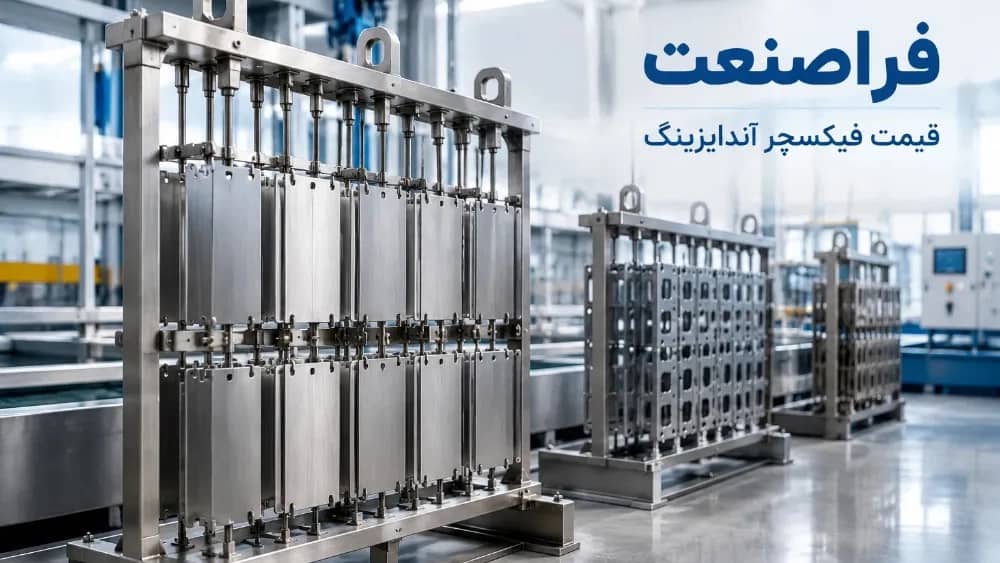
ساخت فیکسچر تیتانیومی مخصوص خطوط آندایزینگ