


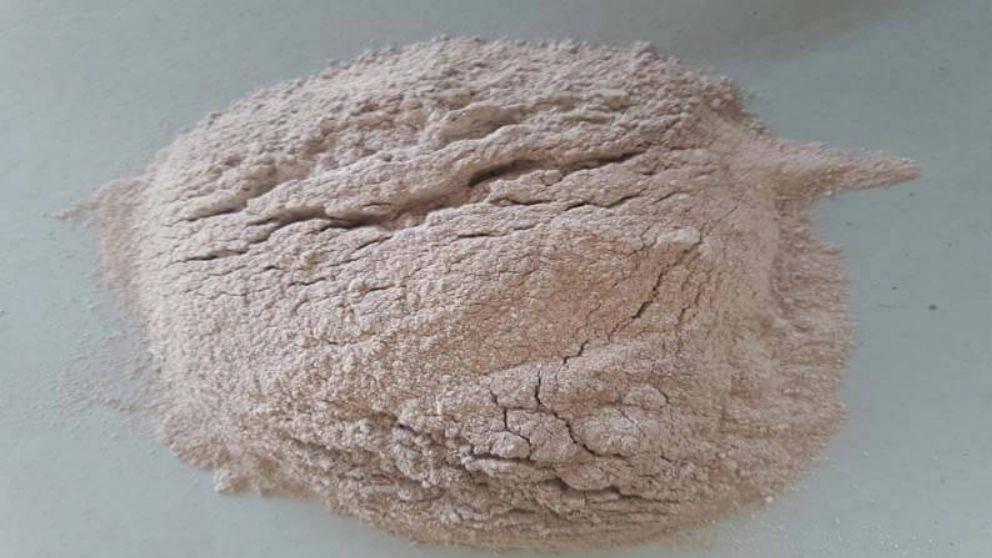
One of the most obvious advantages of this type of soil is its high heat capacity, which has made it widely used in various cases. Among its other advantages, the following can be mentioned:
🔸plastic property: this feature is due to the presence of phyllite clays in it.
🔸flexibility (10% shrinkage): when drying this type Soil, its shrinkage is about 10%, which makes it flexible.
🔸Formability: The plastic property of this type of brick makes it malleable. Due to the type of compounds present in this type of soil, the pH of this soil is less than 7, which indicates acidity. Its ability to be made into a paste has a direct effect.
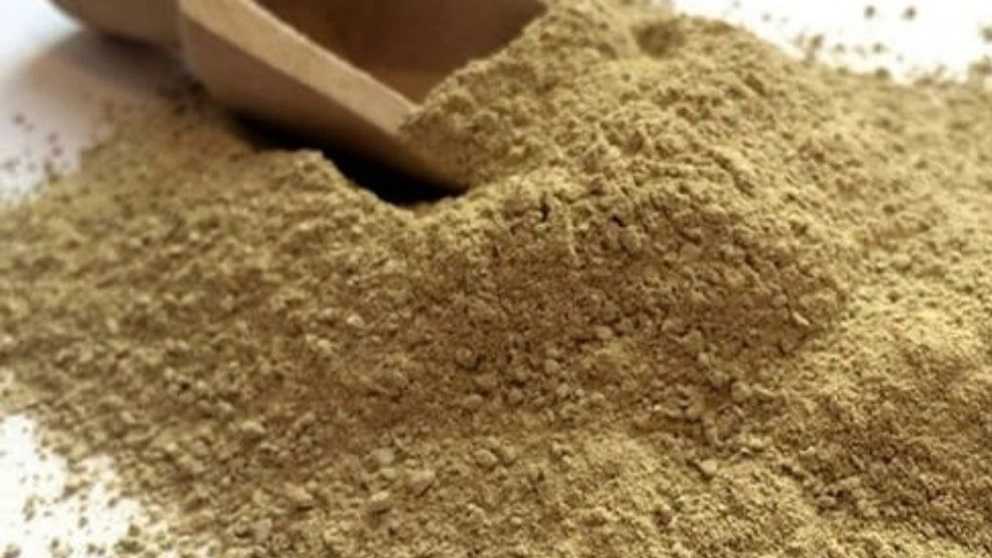
Refractory clays provide an economical material for the manufacture of many types of firebricks and (usually lightweight) refractory materials. Impurities of their suspended particles and their brown or brown burning behavior are not a problem in these applications. Plastic refractory clays that can tolerate high percentages of additives while still having good workability are very useful.