
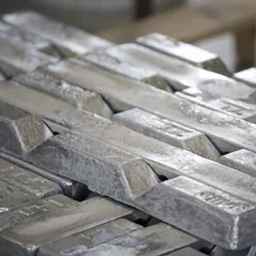

This article is dedicated to the education of aluminum ingot, its types and applications. Aluminum ingot is one of the most widely used metals, which is used in the field of transportation, construction, electrical industry, manufacturing of automobile parts and packaging. This widely used product has different types and each industry uses a type of it according to its needs. If your industry is also dependent on the use of aluminum and aluminum ingots, or if you are interested in reading such materials, we suggest you follow our article to the end.
What is aluminum ingot?
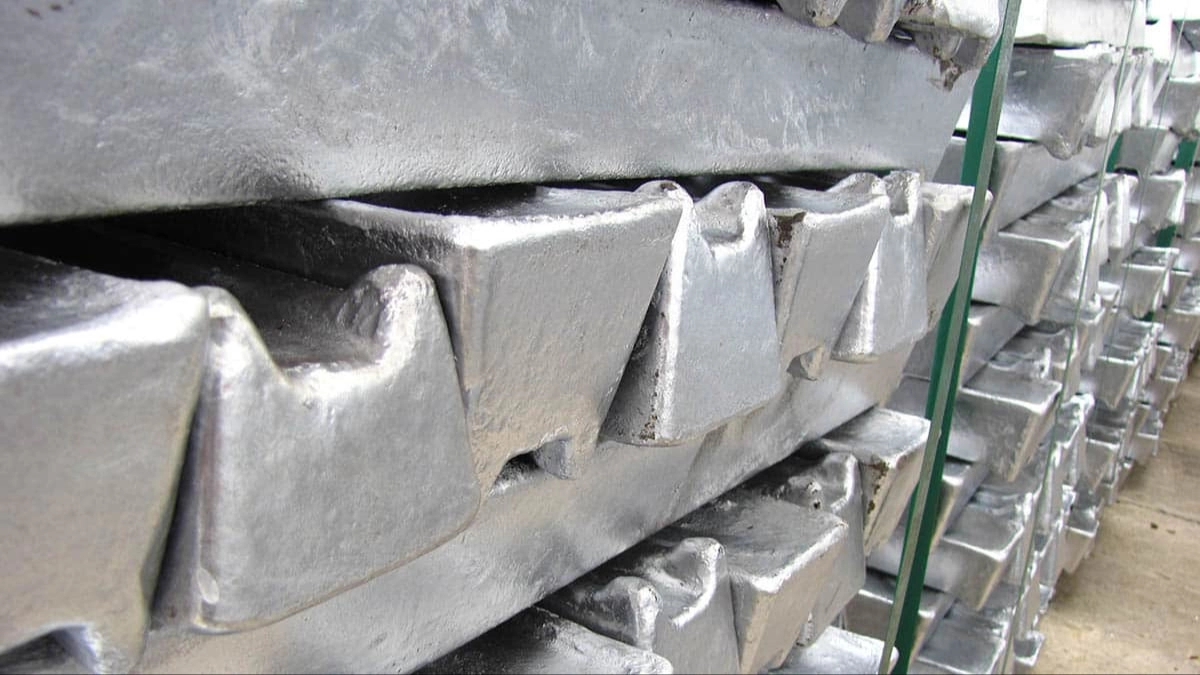
It is better to introduce aluminum first and then go to aluminum ingots. Aluminum is one of the most widely used metals in manufacturing, construction, packaging, etc. industries. Aluminum metal has features such as high strength, light weight, conductivity, corrosion resistance and flexibility. As a result of being combined with other metals such as copper, zinc, magnesium, etc., this metal becomes an aluminum alloy and gains higher resistance, shine and flexibility. Aluminum ingot is made from molten aluminum. To produce aluminum ingots, molten aluminum is poured into rectangular molds and casted and produced with different operations. This product is in the form of a piece of semi-finished aluminum metal that different industries buy, modify and use in their industry according to their activities.
Steps to produce aluminum ingots
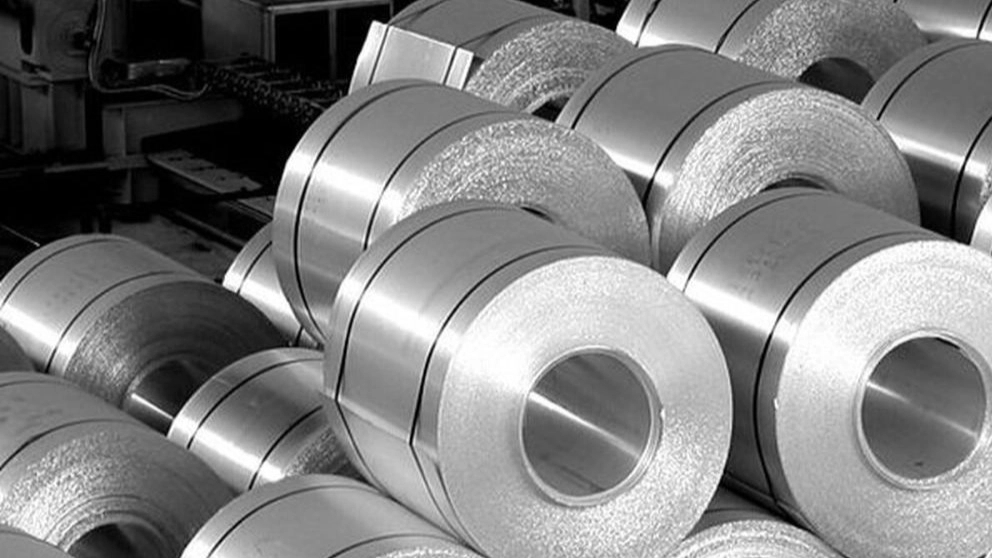
Aluminum ingots are produced in 5 stages, in this section of the article we mention the stages of making aluminum ingots from the mine to the factory:
- Aluminum extraction from the mine
- Aluminum smelting in the furnaces of the factory
- Transferring the molten aluminum to the casting section of the factory
- Emptying the molten material in the molds
- Cooling and removing the ingots from the mold
Benefits of aluminum ingots
High strength versus low weight: It is true that iron and steel are stronger than aluminum, but it should also be noted that aluminum weighs less than other metals. Is. In fact, the ratio of weight to strength of this product shows that aluminum can bear more pressure and has high strength compared to its weight.
Electrical conductivity: Light weight Aluminum is also effective in the conductivity of this material. This product is a conductor of electric current and its lightness has a significant effect on the conductivity of electric current. Thermal conductivity: Aluminum is also a good thermal conductor. The low weight of aluminum makes this material have high thermal conductivity and transfer more heat. For this reason, the use of aluminum in cooking tools and heat exchangers is very useful.
Corrosion resistance: Aluminum and aluminum ingots have a high resistance to corrosion. Corrosion is the reaction of metals to their surroundings. Corrosion causes the formation of sulfide and oxide on metals and changes the properties and appearance of metals. Aluminum metal has a high resistance to corrosion and is less affected by the environment.
Recyclability: Aluminum also has a high recyclability property. This property allows us to recycle aluminum products many times and reduce the amount of its extraction from mines. In addition to its high economic efficiency, this issue will have a significant impact on preserving natural resources.
Malleability: This metal has high flexibility and malleability. This feature allows the production of all kinds of products, including aluminum sheets, profiles, rebars, etc.
Types of aluminum ingots
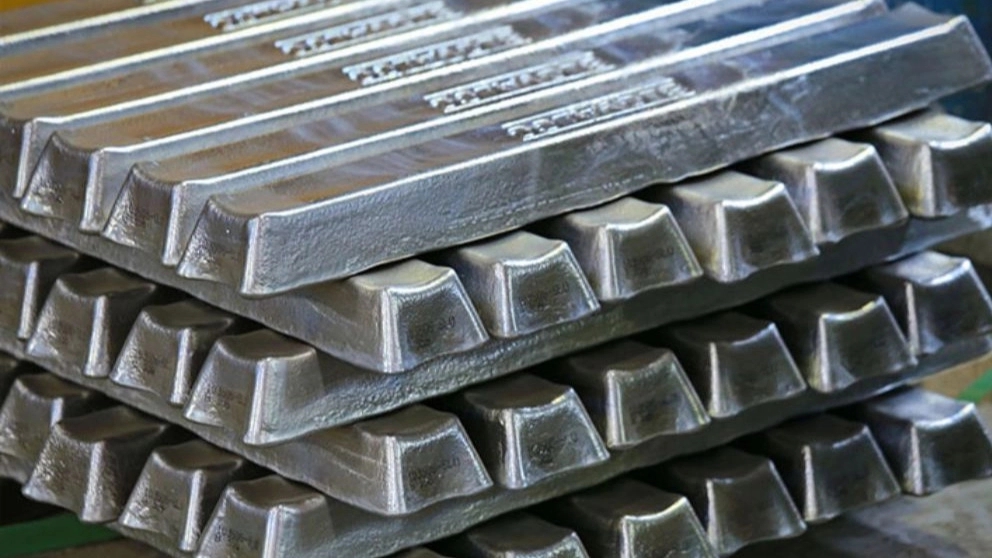
❇️ 50-pound aluminum ingots
50-pound ingots are a combination of aluminum and other metals, including copper, magnesium, etc. 50-pound ingots are used in the manufacture of foundry and automotive parts.
❇️ 1000-pound aluminum ingots
1000-pound ingots are pure aluminum ingots. These ingots are used in the packaging, sanitary, component making and alloy industries.
❇️ Aluminum slab
Aluminum slab is obtained by casting aluminum ingot. The surface of these slabs is smooth, and its shape is a rectangular cube. The production of aluminum slabs is semi-finished and different industries buy it according to their needs and turn it into their desired product. Slabs are used in the production of sheets, belts and rolls. . This type of ingot is used in the production of household electrical appliances and cables.
❇️ Aluminum billet
Another type of aluminum ingot that is widely used in the extrusion industry. It is an aluminum billet. In the following, we provide a comprehensive and complete explanation of aluminum billet, its application and specifications.
Applications of aluminum ingots
Aluminum ingots are used in construction, transportation, packaging, making household appliances, electrical industry and auto parts. For example, aluminum ingots are used in packaging in such a way that they turn the ingot into sheets and smaller pieces and use it to make food foil cans. The use of aluminum ingots to make car parts also requires deformation, lamination and hammering. Therefore, after going through these steps, the aluminum ingot is prepared for making parts such as gearbox, cylinder head, etc.
The use of aluminum and aluminum ingot in the transportation industry is also very important. Compared to other metals such as iron and steel, aluminum weighs less, but its strength is high like other metals. This issue has caused aluminum to be widely used in the construction of the body and components of land, sea and air transportation. The use of aluminum in the electrical industry cannot be ignored either. Metals are conductive and play a significant role in generating electric current. In the absence of copper and aluminum alloys in wire and cable, they have no use and do not generate electric current.