

When it comes to using heavy machinery, you need to make sure you are using the right machine for the job. Using the wrong machinery can not only negatively affect the productivity of your operation, but can also cause potential workplace accidents. In all construction projects, we can safely say that excavators and loaders are one of the most important earthmoving equipment. Are these machines used correctly or not? Although the use of the two may overlap in some aspects, the general understanding is that an excavator is usually used to dig soil out of the ground for the purpose of digging holes and the like. On the other hand, a loader is usually used to transport cargo from one point to another. These machines are also known as dirt pickers due to the movement of soil around the construction site. Both of them have their own characteristics, but their tricks are different. Not only excavators, but also loaders are very useful in the effective and efficient implementation of construction projects.
What is the excavator?
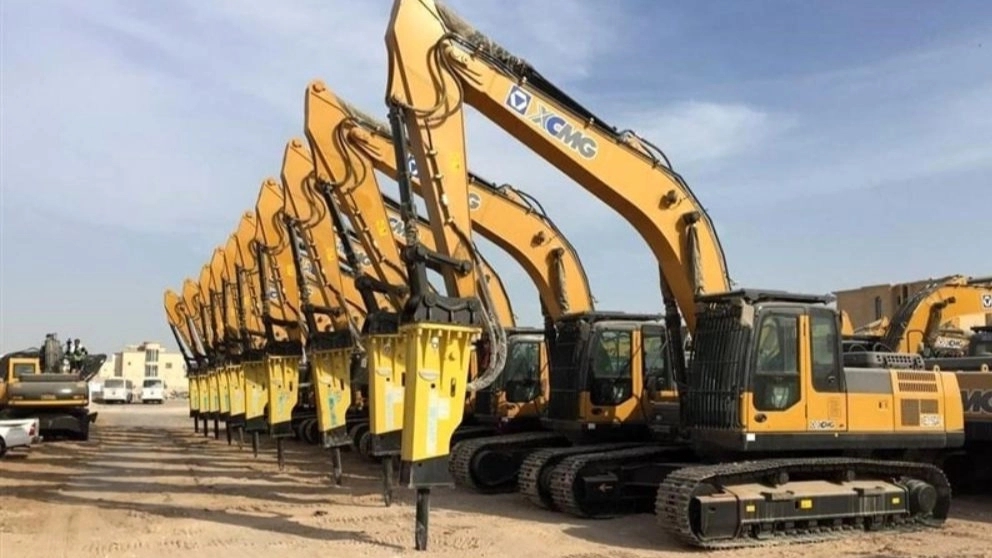
You might think that the only use for an excavator is to efficiently excavate soil in large-scale construction, industrial, or mining projects. While this perception is not entirely wrong, it cannot be denied that every industry is careful that their excavators are built and designed specifically for their operations. They concentrate on the land, they don't need to use bigger machines like excavators. Similarly, a dragline excavator will be of little use if their purpose is only to excavate a small amount of soil.
What is the loader?
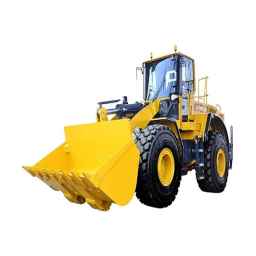
Unlike excavators whose main tasks are related to large excavation projects, loaders are more concerned with transporting large masses of soil or loose materials from one place to another. Since loaders are smaller and can be said to be simpler in terms of operation unlike excavators, loaders may be produced in different types such as medium, small and compact.
Medium loader
b>
The adaptability of mid-size loaders enables them to be used in a variety of jobs and functions. They can be used in transportation or excavation projects that may be on a smaller scale compared to excavators. The average excavator can weigh between 1,800 kg and 20,000 kg with an attached bucket whose dimensions are designed for specific functions.
Mini Loader
Mini wheel loaders are suitable for smaller construction projects. While its performance is not completely different from a medium loader, these types of machines may weigh between 1200 kg and 1600 kg, which is lighter compared to medium loaders.
Skid Steer Loader Finally, skid steer loaders are generally larger than skid steer loaders, but can sometimes exceed the weight of mid-sized skid steer loaders. Compact loaders are still preferred for small construction projects. Depending on the type of installation of compact loaders, the normal bucket capacity of a compact loader can be determined by its default size of one meter.
Is the loader better or the excavator?
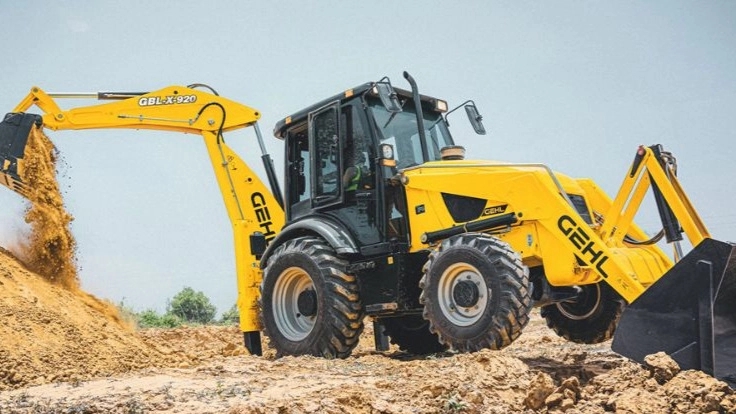
The discussion of excavator and loader may confuse people about their main function, but as mentioned above, excavators are often used in digging large piles of soil. Unlike backhoes, which come in many different types depending on function, loaders are defined by bucket capacity as well as carrying capacity.
When deciding which one is best for your operation, there are a few questions to ask. Ask yourself to determine which one is best. So, which one should you choose? It really depends on the type of work being done and the specific needs on a job site.
The primary function of your job site will inform your decision to use an excavator, a loader, or both. For example, if your main need is to dig up soil to build a pool, an excavator would be your best option. Especially if the digging you're doing only produces relatively small amounts of dirt and material that need to be removed. However, if your operation is likely to result in large amounts of dirt and other debris that must be removed, such as digging an underground parking lot, a wheel loader may be a better choice. In fact, for maximum productivity, most larger construction projects will benefit from having both machines available.