

The use of ceramic tiles has been very popular since ancient times until today. Knowing the difference between these two products can provide a more pleasant environment for the intended environment. In general, if we want to have a precise definition of this topic, it should be said that tiles are objects that are only responsible for covering the wall and cannot be used for the floor and ceiling. In the rest of this article, we are going to tell you the differences between ceramic and tile, as well as the characteristics of each.
The differences between ceramic and tile can be recognized visually, but the more technical examination can give you the possibility to have a better choice. The store can help you with this. But the technical examination of the differences between ceramic and ceramic tiles is that they generally produce tiles with clay and glaze components. That is:
using pottery, they first create the skeleton of the tile.
They also produce the glaze of the tile using paint. Glaze is a part that has a glass surface and makes it beautified.
Ceramics are non-mineral materials, which can also be considered non-organic. The point is that the glaze on the surface of the tile can be considered ceramic. In this case, this type of tile is called ceramic tile or ceramic tile.
What is Mosaic?
In discussing the differences between ceramic and tile, in general, the definition that can be considered for mosaic is that it is a type of compressed concrete that turns it into compact flooring. The compaction that occurs to compress this product is created using a pressure device or vibration devices. Among the constituents of mosaic, the following can be mentioned:
sand
stone powder
water
cement
granules
therefore by using any of these materials Ability to create various designs. Also, this product is produced in different dimensions and sizes, if we want to talk about it in more detail, we can say that:
Mosaic coating is actually called mosaic color and it is made from the combination of cement and stone powder. , water and small colored stones are used. As a result, the amount of pressure it can withstand can be seen according to this layer. Also note that this layer consists of sand, cement and water.
How many ways can mosaics be produced?
There are different methods for producing mosaics, which can be considered as follows:
Pressing method
In this method, pressure from the press machine to The mosaic enters, which causes the mosaic to become dense. Therefore, the required density using the applied pressure makes the components used in this product to be well combined with each other. Also, the important point is that the amount of pressure applied should be based on the size of the aggregates. These model mosaics that are produced using the press method must be subbed in order to be able to use them.
vibration method
In the vibration method, unlike There is no more pressure applied to the mosaic, and the compaction needed to produce the product is done using vibration. If decorative stones are not used during the production of this model, there is no need to grind and the surface of the mosaic is completely smooth. Among the types of mosaics, the following can be mentioned: vibrating
washed mosaic
single-layer mosaics
normal and granite mosaics
The most important difference between ceramic tiles
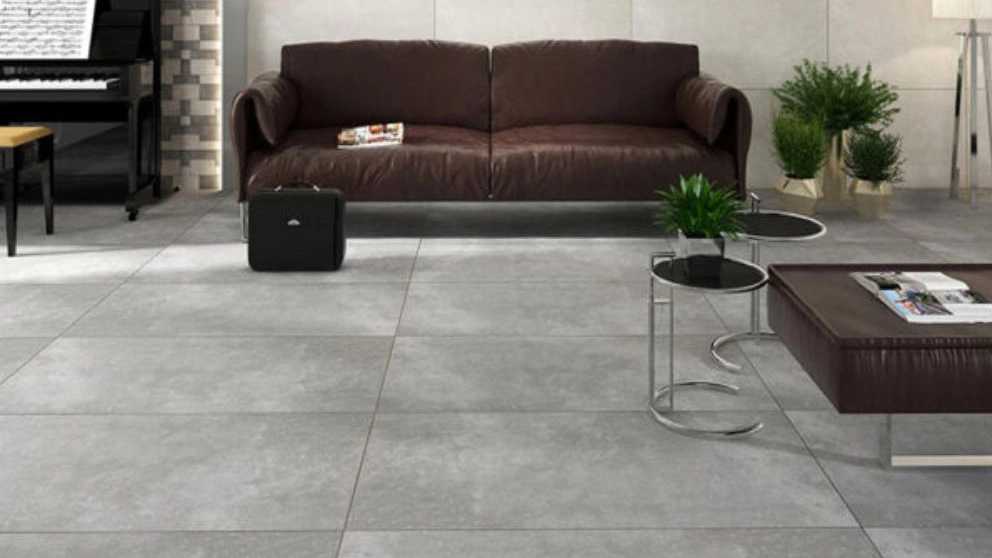
One of the most important differences between ceramic and tile, which is actually the difference between ceramic and tile, is its strength. Tiles are used in walls because of their more elegance and the weight of the press used in the body. Of course, because of the press, ceramic is heavier and its strength is higher, and it is usually used on the floor. The resistance of the tile against pressure, cold and heat is low and it is used for closed environments with less humidity. Due to the percentage of water absorbed compared to ceramics, tiles are suitable for use on walls and heights. On the other hand, ceramic's resistance to high pressure, cold and heat causes it to absorb more moisture than tiles and thus The reason is a suitable option for the floor. A special type of ceramic, which is called porcelain ceramic, is also used for open spaces. Ceramic water absorption is low and porcelain type is also around zero.