
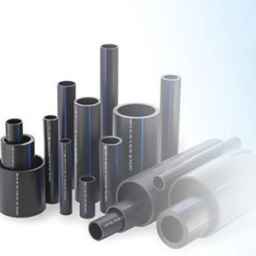

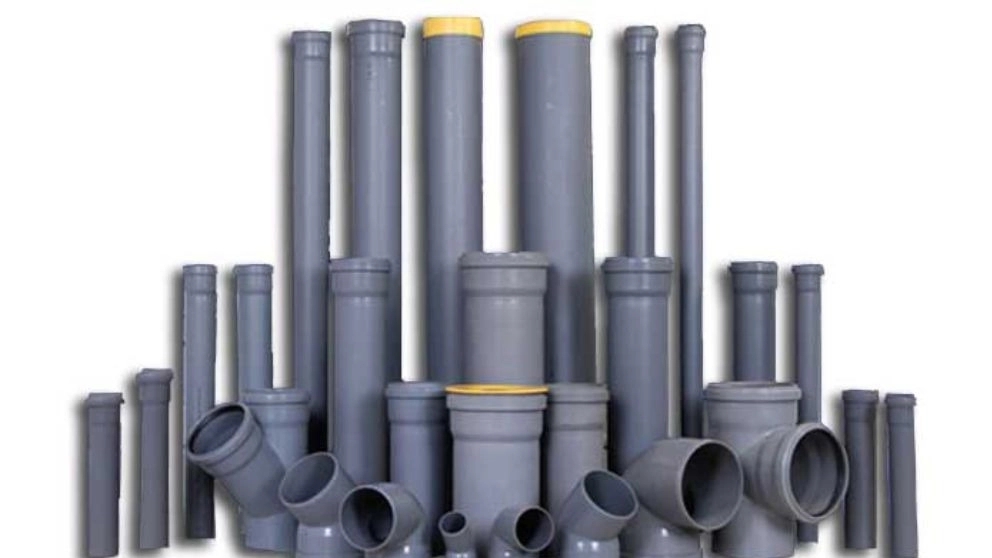
Polyethylene fittings are used in all polyethylene pipe applications and all polyethylene pipelines. These connections are of great importance because the most errors and problems happen in the parts where there are connections. If the connections are not selected and installed correctly, or poor quality connections are used, and the welds between the connections And the pipe, if it is not done well according to the standard and instructions, the whole project will fail and a high cost must be paid to repair the problem. Due to the characteristics of high flexibility, good resistance against many acids, bases and salts, and having the standard of drinking water for human use, low cost, high quality, and very long life, these connections are a very suitable alternative to other types of connections.
Polyethylene fittings are used in pipelines and facilities in various industries to change the angle of the fluid flow, change the diameter of the pipeline, change the flow rate and connect the pipes to each other. These connections, like polyethylene pipes, are produced and supplied from PE80 and PE100 polyethylene raw materials with different angles and sizes. These connections can be made by various methods, including injection or use of thick polyethylene sheet to be produced by cutting and turning. For making polyethylene joints, each of these methods has advantages and disadvantages. For example, in the injection method, due to the abundance and variety of sizes, types of materials and different pressures, it is not possible to access all these sizes, but in the machining method, based on the connection plan, they can be machined and Fully adapted to the map.
Polyethylene pipe fittings features
✔️High lifespan (up to 50 years)
✔️Light weight
✔️Easy transportation
✔️Quick and convenient installation
✔️ Resistance to extreme cold and heat
✔️resistance to corrosion
✔️resistance to chemicals
✔️resistance to solar ultraviolet rays
✔️ Connections without leakage
✔️High flexibility
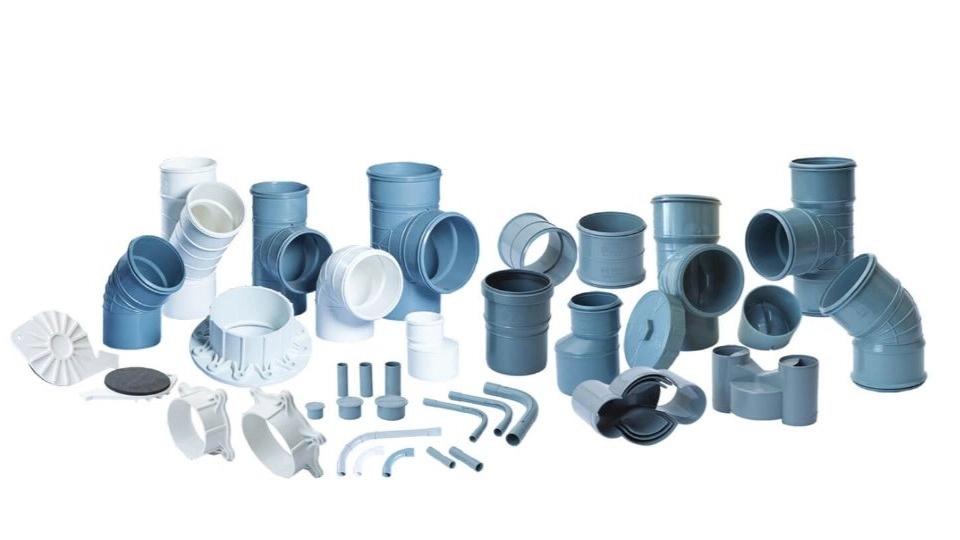
Polyethylene joints
Elbow joints: used to change the direction of pipelines.
Tee joints: used in three directions for branching in pipelines.
Four-way joints: in four directions and for branching. It is used.
Cap connections: It is used to block the path of a line or branch.
Bush connections: It is used to connect two pipes together. The bushing can be produced in two ways: threaded and welded.
Flange connections: It is used in circular or square shapes to make holes between pipes of different sizes.
Short or long muffle connections: connections Mufe is used in order to avoid risks caused by the expansion and contraction of pipes. In a way, this type of connection neutralizes the mentioned risks. Siphon connections: used to change pipelines in a curved curved path. Conversion connections: conversion connections to connect two pipes with diameters It has different uses. For example, if you need to reduce the size of the pipe, you can use this type of connection.