
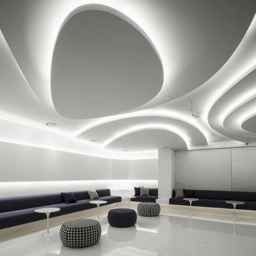

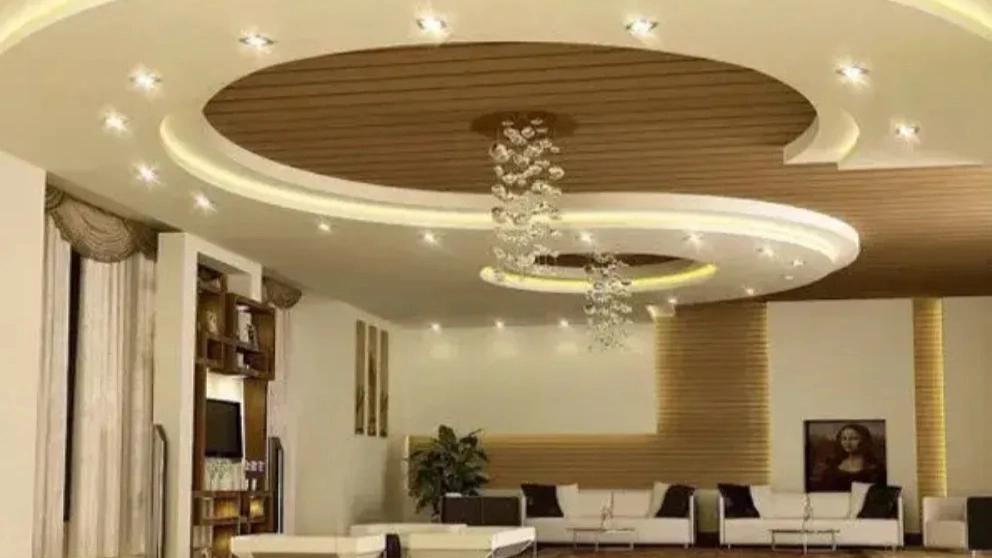
Kenaf is usually used in the form of separating walls and ceilings, on which cover plates are installed. The set of constructions done with the help of knaf is called knafkari. Another name of Kenaf is Dry Wall. Due to their light weight, drywalls are at a high level in terms of safety and security and are the best option for earthquake-prone areas. Also, knafkari is a suitable alternative to curry rabbits. In terms of cost and implementation time, it is much better than other materials. Kenafi walls can prevent sound from entering through insulation.
Positive tips about worrying
There are many positive points about knaf, and this has made knaf work very popular and popular. In the buildings in which knaf work has been used, they are very safe against earthquakes and in case of severe earthquakes, they suffer little damage. A good positive point about knaf work is that the speed Its implementation is very fast and this makes the construction process to end soon. In knaf work, because the thickness of its panels is small, more optimal use of space can be made. Due to their light weight, Kenaf materials are easy to transport and do not require special equipment for moving. be Also, Kenafkari provides good access to building facilities and all facilities can be accessed easily. In addition to the positive points, Kenafkari also has negative points that must be paid attention to. The first negative point of knafkari is its low resistance to damp and humidity, and its panels are mostly damaged in wet areas unless anti-humidity insulation is used. More dust is absorbed on Kenafi panels. Also, if low-quality kenaf is used in the construction, the building will suffer a lot.
Application
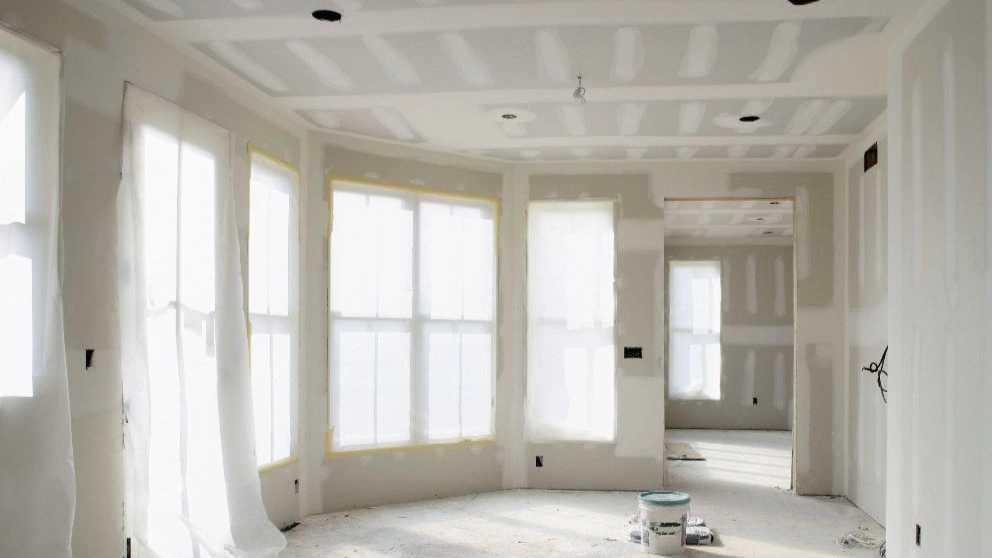
As mentioned, knafkari is very suitable for reducing the weight of the building and increasing its resistance against earthquakes. Kenaf work can be applied in different parts of a building. Ceilings can be seen more attractive by knaf work and their design becomes very impressive. They are also light weight. Wall paneling is usually in the form of separators, which panel panels are screwed to its frames. Kneaf works, which have a thin coating of plaster and cardboard on the walls, are suitable for corridors, and fiberglass coatings, which have high resistance to heat, are mostly used in kitchens.