
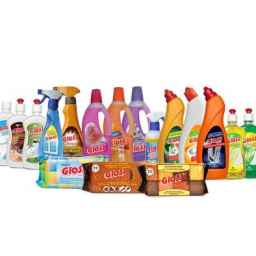

- Household laundry detergents
- Dry cleaners
- Hard surface cleaners
- Industrial and commercial detergents
- Products for care and protection
- Soaps
Industrial washing is very important for the food, dairy, and beverage industries, as well as the maintenance of industrial buildings. Using industrial detergent for hygiene and cleaning of hospitals and other public places should be one of the key activities for health reasons. The risk of contracting infectious diseases has made consumers more aware of the dangers of not observing cleanliness.
Detergent is a substance or mixture that contains soap or surfactant (any substance or organic mixture) that is used for Washing and cleaning processes are considered. The types of detergents in the market may come in different forms
- Detergents include traditional powders, single-dose tablets, concentrated liquids, liquid capsules, pastes, etc. to meet the needs of consumers. They are offered in cleaning, skin care, fabric care and fragrances. These substances may be used for household, institutional or industrial purposes.
- Detergents are a group of surfactants that have cleaning properties when diluted in water.
- Most detergents are acylbenzene sulfonate. are.
- While detergents are used for cleaning, they are also used as fuel additives and biological reagents.
All kinds of chemical cleaners
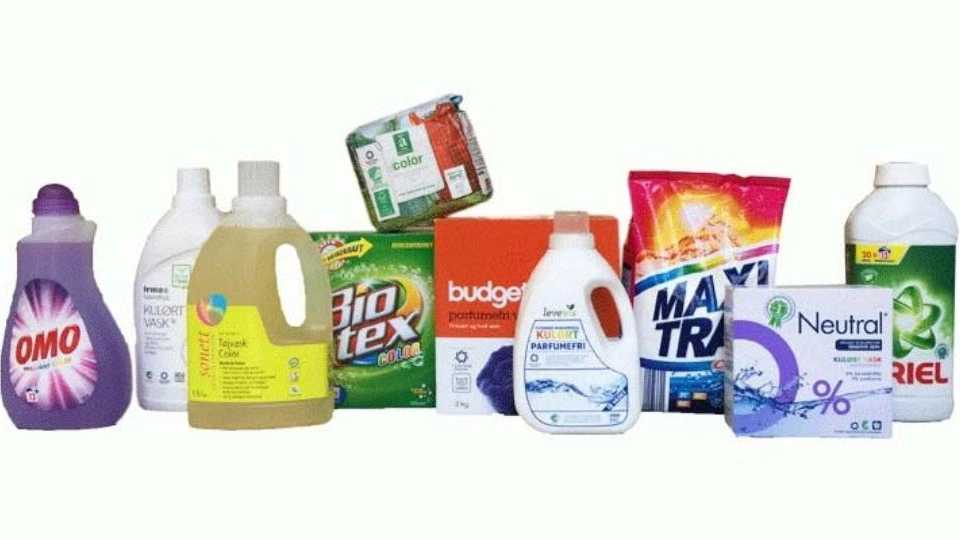
Detergent chemistry
The structure of detergent molecules is such that they interact with fat through their tails and with water from the head of the molecule. Detergent molecules surround the grease particles and turn the hydrophilic head outwards, thus allowing stains to be captured and dissolved.
The second major ingredient in detergents is a chemical known as The name is surfactant, which is one of the main active ingredients for removing stains. These surfactants are paradoxical in nature.
Most modern detergents are a class of chemicals called linear alkylbenzoate sulfates, which are made up of long chains of a chemical called dodecane, carbon, and hydrogen. This chemical easily forms long chain molecules. A benzene ring is attached to it and a sulfate molecule is attached to it. The two segments differ fundamentally in their affinity for water. But the benzosulfate bit likes water and wants to get close to it. Chemists call these properties hydrophobic and hydrophilic, and it is this paradoxical nature that makes detergents so powerful. Dodecyl chains are hydrophobic, but like each other they are also like other chemicals like fats, sugars, proteins.