
What is Magnesium Carbonate?
Magnesium carbonate with the chemical formula MgCO3 is considered as a mineral salt. One of the most important applications of magnesium carbonate is the synthesis of magnesium oxide through the calcination process. This chemical compound is produced in two grades of heavy magnesium carbonate and light magnesium carbonate.
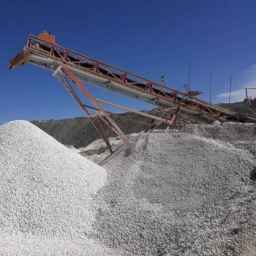
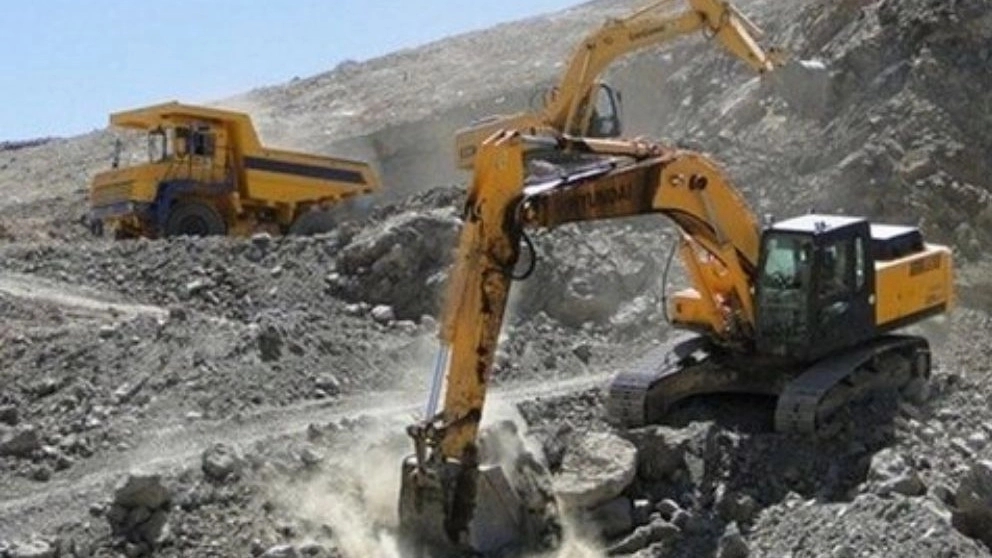
Magnesium Mine
Magnesium carbonate types
Chemicals are divided based on different indicators. Magnesium carbonate is divided into the following two grades based on particle size:
Light magnesium carbonate: It is produced as granular powder and includes hydromagnesite magnesium hydroxycarbonates.
Heavy magnesium carbonate: It is prepared as a fine powder and includes magnesium hydroxycarbonates dipangite.
Chemical structure of magnesium carbonate
Magnesium carbonate exists in two forms, anhydrous and hydrated, which are described below:
Magnesium carbonate
Anhydrous magnesium carbonate is mostly seen as magnesite with the chemical formula MgCO3. Magnesite appears as white or colorless triangular crystals. Magnesite crystallizes in the mineral structure of calcite, where Mg2 + is surrounded by six oxygen atoms.
Hydrated magnesium carbonate
Hydrated magnesium carbonate can be found in three forms: di, tri and pentahydrate, which are as follows:
The form of barringtonite with the formula MgCO3.2H2O (2 water)
The form of Nescohonite with the formula MgCO3.2H2O (3 Abe)
The form of lancefordite with the formula MgCO3.2H2O (5 Abe)
The structure of magnesium carbonate dihydrate is triclinic, while the structure of magnesium carbonate trihydrate is monoclinic. Some of the basic forms of magnesium carbonate such as artinite with the formula Mg2CO3(OH)2.3H2O, hydromagnesite or hydromagnesite with the formula Mg5(CO3)4(OH)2.4H2O and dipengite form with the formula Mg5(CO3)4(OH)2.5H2O are also Minerals are found.
Method of producing magnesium carbonate
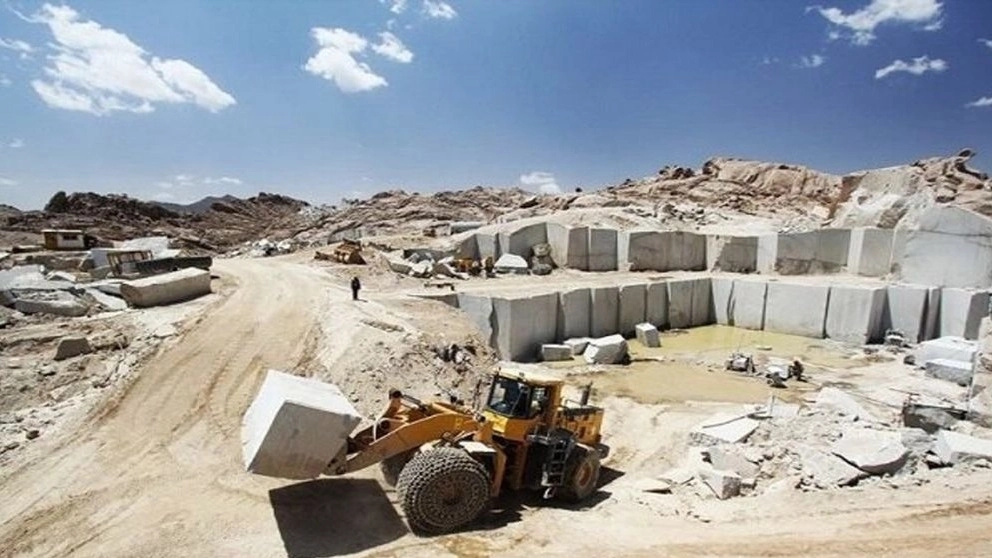
This mineral is usually obtained from the extraction of magnesite. It is noteworthy that about seventy percent of the world reserves of magnesium carbonate are located in China and are extracted. The laboratory method of magnesium carbonate synthesis is carried out by the reaction between any soluble magnesium salt and sodium bicarbonate. The path of this reaction is shown below:
MgCl2 (aq) + 2NaHCO3 (aq) → MgCO3 (s) + 2NaCl (aq) + H2O (l) + CO2 (g)
If magnesium carbonate (or sulfate) is treated with aqueous sodium carbonate, instead of forming magnesium carbonate, a precipitate of open magnesium carbonate is formed, which is actually a hydrated complex of magnesium carbonate and magnesium hydroxide. The reaction of this process is as follows:
5MgCl2 (aq) + 5Na2CO3 (aq) + 5H2O (l) → Mg4(CO3)3(OH)2.3H2O (s) + Mg(HCO3)2 (aq) + 10NaCl (aq)
But the industrial synthesis of magnesium carbonate with high purity is formed by magnesium bicarbonate. In the first stage, magnesium bicarbonate is formed through the mixture of magnesium hydroxide and carbon dioxide at high pressure and medium temperature, and then it is dried with vacuum and loses CO2 and water. The synthesis reaction of magnesium carbonate is as follows:
Mg(OH)2 + 2CO2 → Mg(HCO3)2
Mg(HCO3)2 → MgCO3 + CO2 + H2O
Application of magnesium carbonate
Magnesium carbonate and maintenance method
The only complication that can occur during the consumption of magnesium carbonate is the use of high concentrations of oral magnesium carbonate grade and laxatives.
In relation to working with this chemical, observe the safety measures in accordance with the standards and use equipment such as gloves, masks and glasses.
Store this chemical composition in a dry, cool and air-conditioned environment.
Since this product absorbs moisture, it should be stored in tight packaging.
Keep out of the reach of children.