


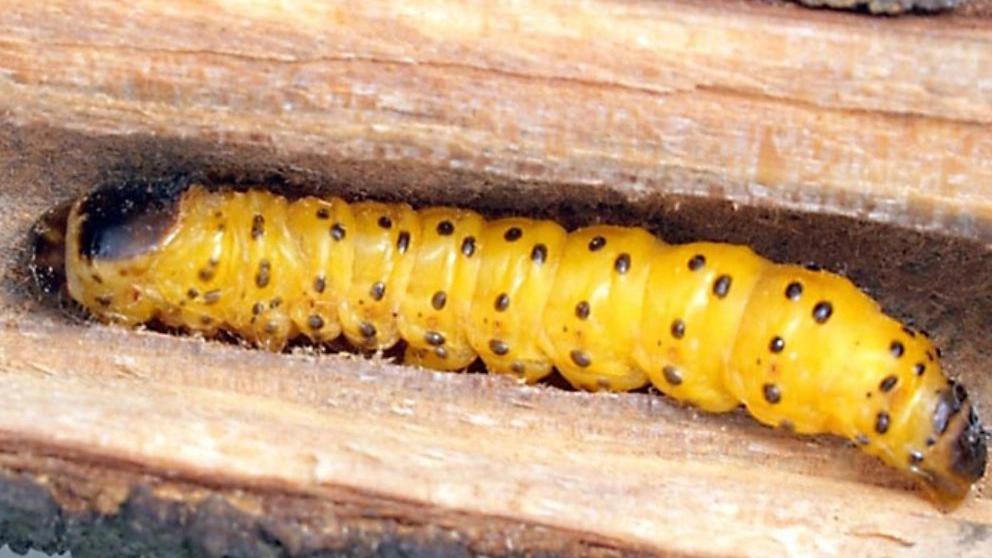
A butterfly moth can completely destroy a young sapling, and trees that are less than 3 years old are attacked by the earthworm due to damage to their trunks; They break easily due to wind. The larva of this insect creates corridors in the wood tissue of branches and trunks, which causes the trees to weaken and eventually dry up. The most damage of these pests can be seen in walnut orchards.
Methods of fighting the worm:
Agricultural fight:
Pruning, regular watering, feeding trees with suitable fertilizers, using resistant cultivars, planting trap plants
Physical fight< br>
Using wire rod
Using cotton containing dichlorobenzene
Using anti-tarlo paste (Zeozeran)
Using optical trap
Using pheromone trap
Using sex pheromone
Chemical fight against earthworms
Because the period of egg laying and hatching of eggs from larvae is long, spraying is not very effective, but 10 days after the peak flight of the pest in The area can be sprayed using Dursban poison.
🍁Pest management must first focus on removing adult insects, if we cannot do prevention or control operations within two weeks of the life stage of adult insects, we enter the next steps, i.e. preventing spawning, preventing nymphs from entering the soil, and finally Reducing or eliminating the population of nymphs in the soil. One of the best ways to prevent the damage of this pest is the use of resistant cultivars (grafting high-quality varieties on resistant bases). At the beginning of the work, seedlings or cuttings should be planted in sandy, light and deep soil. After that, regular watering (reducing the amount of irrigation water and increasing the frequency) and at the same time keeping the soil dry in the summer is a very suitable method to prevent the nymph from entering the soil. and the soil with the aim of loosening and lightening the soil and increasing water absorption in autumn and winter and damage to the nymphs (suffocation and freezing of the nymphs), and of course, pruning the branches infected with eggs in the middle of July, to eliminate The wild hosts of the pest and burning them, summer and winter shoveling with the aim of destroying the corridors are also very effective, damaging the nymphs. Winter water ice with the aim of suffocation and reduction of nymphs in winter is not ineffective. Prevention is the use of diatomaceous earth or kaolin powder that is sprinkled on the branches.
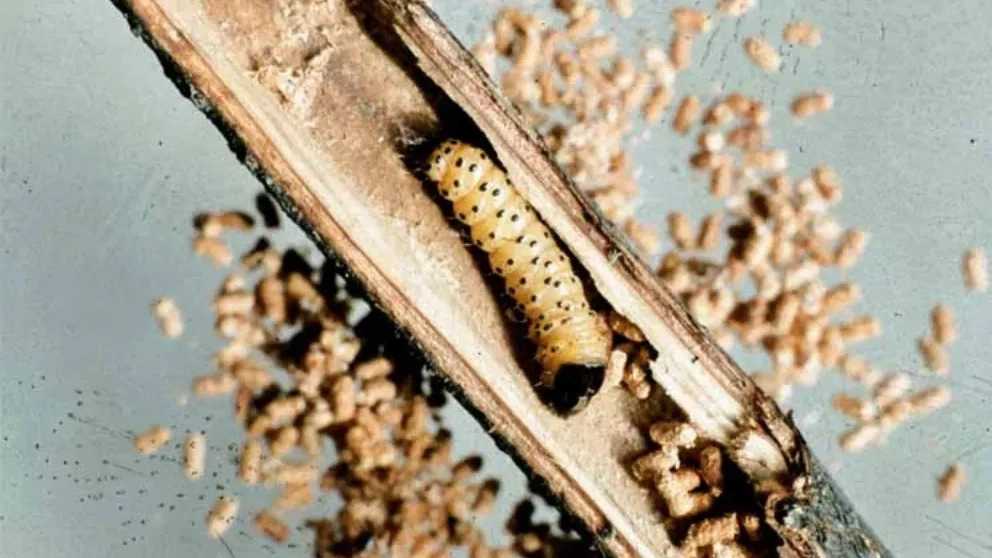
Chemical control of the hair chain
Finally, after going through all the physical and mechanical control steps, if your problem is not answered, use the following poisons if needed. The thing about using poisons is that you must consult a herbalist to explain the dosage and how to use poisons.
Using poisons in excess In addition to burning plants and not observing the period of carnes, toxins can cause cancer, respiratory and skin allergies, and poisoning by consuming fruits.
Spraying can be done in three stages: at the base of the bushes against nymphs in the soil, spraying the soil surface. When the nymphs come out, spray against mature caterpillars. Malathion, Diazinon, and Duresban poisons should be used as a foliar spray (1:100 solution mixed with water) in the soil at the rate of 20 liters per tree. Granules (5 or 10%) of diazinon and Duresban in the amount of 20 kg per hectare of the garden by mixing with the soil and watering (removing the surface soil to a depth of 10 to 30 cm, in addition to helping to remove the nymphs physically and mechanically by raising The effect of the poison is on the nymphs in the deep layers