

You might imagine at first sight that all locks are made of iron and it is not very interesting to talk about their material. But this idea and look will be the most superficial kind of look that you can have about the type of locks. Because locks are installed at the entrance of various houses and buildings in order to create security, and they are always subject to breaking and being hit by thieves.
How is the lock structure?
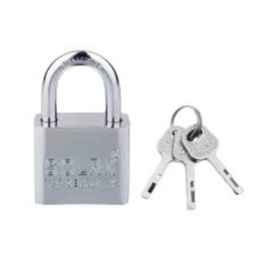
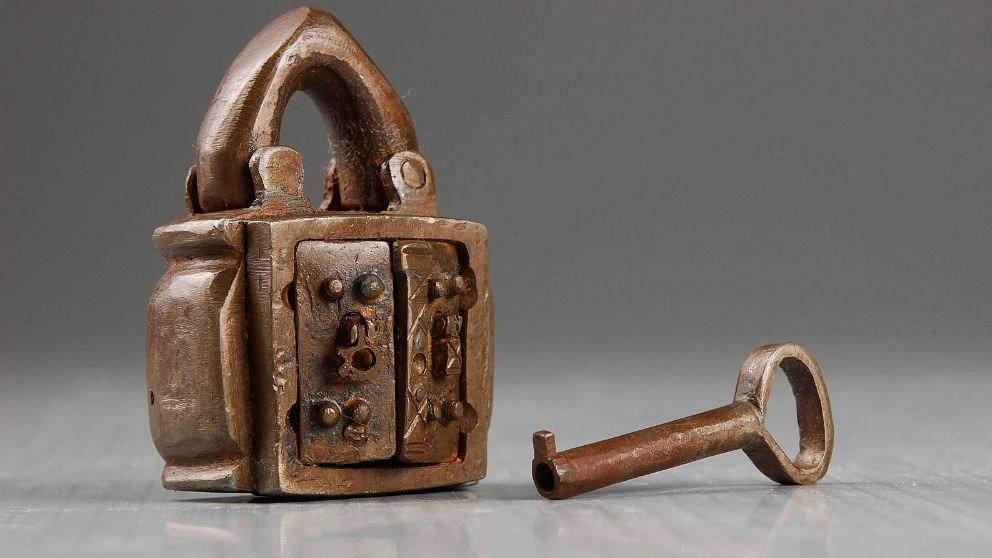
Of course, the structure of each lock consists of three important parts, which include the hanging tab, the main body, and the key mechanism. Each of the parts that we have mentioned has an important role in the performance and efficiency of the lock, for this reason, they must be of high quality and made of suitable alloys to withstand various risks such as all kinds of blows and corrosive substances. Usually, when people want to buy a lock, they pay attention to the material of the tongue or ring of the lock. This part is often made of strong steel alloys.
You may not believe that the lock that you get for your residence or shop, with the smallest impact on the place where the tongue of the lock is located in its body. It will break and open easily. This can greatly reduce the security of the environment and provide the basis for various thefts. Locks, which are known as earring locks, do not have special resistance and durability in this area. That's why key experts are very sensitive about the material of the lock body.

Selection of the right alloy lock in terms of key makers
Regarding choosing the best lock material, we must say that the desired lock body must be made of high carbon steel. Your high carbon steel should be cold formed to increase its strength and resistance to other impacts. This type of special steel alloy is usually white and shiny. One of the characteristics of this alloy is its high weight and difficulty in making it. This category of locks also has a higher price than other locks. Using several different alloys as a coating is another method for making earring locks. In this way, the central core of the lock is made of "cast iron" metal, but high-thickness layers of steel and brass are placed on the central core of the cast iron alloy, and this makes your lock much more resistant to blows. decay and corrosiveness by acid.