

Common steels have carbon with a weight percentage of about a few thousandths of a percent to one percent. Also, all steels have variable amounts of other elements, especially manganese. In addition to reducing molten oxygen, manganese also improves the hot working ability of steel and leads to its increase.
Silicon, phosphorus and sulfur are also present in small amounts. It is possible to have other materials in very small amounts due to the nature of the steel production process or to create desirable properties. Steel can be produced as cast or ingots, or it can be reheated, formed on it using one of the methods of rolling, extrusion, forging or other production methods. For engineering applications, shaped steels are the most widely used due to their shape, surface quality, strength, and various working temperatures.
What is the use of different types of steel?
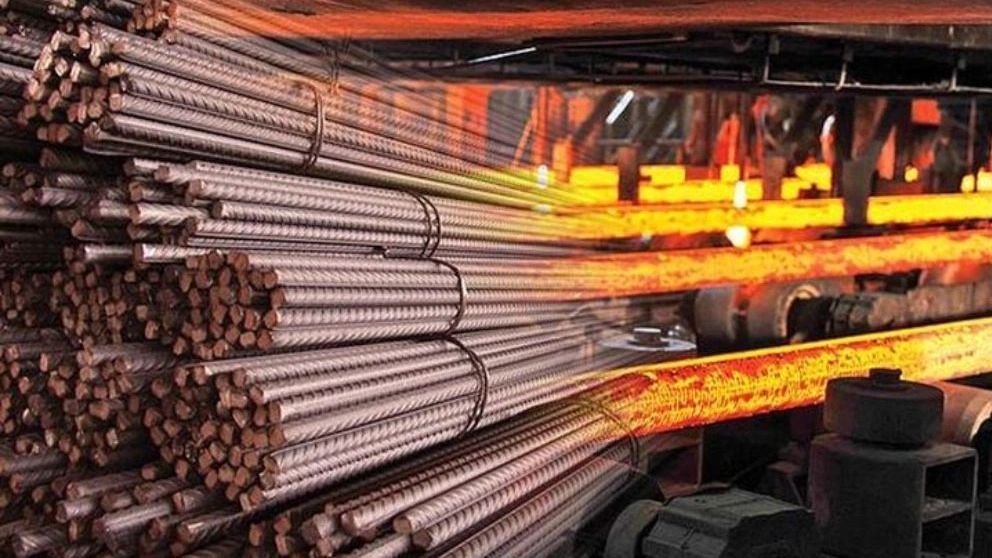
If the steel has up to 0.2% carbon, it is used in making steel wire, pipe and sheet. Medium steel has 0.2 to 0.6 carbon and is used in making rails, boilers and construction parts. If the carbon content of steel is 0.6 to 1.5%, the steel will be hard and used in the production of tools and springs. Kitchen appliances such as cutlery are used. Since some steels are very resistant to high temperatures, they are used in the construction of various tanks and pipes in refineries and factories.